




What is the maximum load capacity of a packing conveyor?
Nov 18, 2025
Leave a message
Hey there! As a supplier of packing conveyors, I often get asked about the maximum load capacity of these machines. It's a crucial question, especially for businesses that rely on efficient and reliable conveyor systems to move their products. In this blog post, I'll break down the factors that determine the maximum load capacity of a packing conveyor and give you a better understanding of what to consider when choosing the right conveyor for your needs.
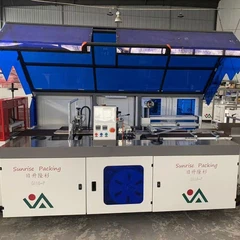
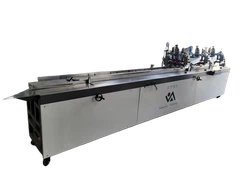
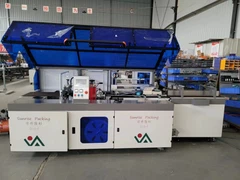
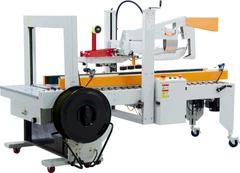
First off, let's talk about what a packing conveyor is. A packing conveyor is a type of conveyor system that's designed to move products from one point to another during the packing process. These conveyors can be used in a variety of industries, including food and beverage, pharmaceuticals, and manufacturing. They come in different types, such as Rubber Belt Conveyor, Unpower Convevor, and are made by various Belt Conveyor Manufacturers.
Now, onto the main question: what's the maximum load capacity of a packing conveyor? Well, it's not a one - size - fits - all answer. There are several factors that come into play when determining the maximum load a conveyor can handle.
Belt Type and Material
The type and material of the conveyor belt are major factors. Different belts have different load - bearing capabilities. For example, a rubber belt is often used in many packing conveyors. Rubber belts can vary in thickness and quality. Thicker and higher - quality rubber belts can generally handle more weight. A standard rubber belt might be able to handle a moderate load, say around 100 - 200 pounds per linear foot. But if you need to move heavier items, you might want to consider a reinforced rubber belt or a belt made from a different material like PVC or polyurethane. These belts can often handle loads of 300 pounds or more per linear foot, depending on their construction.
Conveyor Frame and Structure
The frame and structure of the conveyor also play a huge role. A well - built, sturdy frame can support more weight. If the frame is made of high - grade steel and has a solid design, it can handle heavier loads compared to a flimsy or poorly constructed frame. For instance, a conveyor with a heavy - duty steel frame might be able to support a load of up to 500 pounds per linear foot, while a lighter - duty frame might only handle 100 - 150 pounds per linear foot.
Roller and Bearing Quality
Rollers and bearings are essential components of a conveyor. High - quality rollers and bearings can reduce friction and allow the conveyor to move heavy loads more smoothly. If the rollers are made of durable materials and the bearings are well - lubricated and of good quality, the conveyor can handle more weight. Cheap or worn - out rollers and bearings can cause the conveyor to malfunction when trying to move heavy items. A conveyor with top - notch rollers and bearings can potentially handle loads that are 20 - 30% higher than one with inferior components.
Conveyor Speed
The speed at which the conveyor operates also affects its load capacity. Generally, the slower the conveyor moves, the more weight it can handle. This is because at slower speeds, there's less stress on the belt, rollers, and other components. For example, a conveyor moving at a slow pace of 10 feet per minute might be able to handle a load of 300 pounds per linear foot, while the same conveyor moving at 50 feet per minute might only be able to handle 200 pounds per linear foot.
Incline or Decline
If the conveyor is on an incline or decline, it will also impact the load capacity. Moving items uphill requires more power and puts more stress on the conveyor components. So, a conveyor on an incline will have a lower load capacity compared to a flat conveyor. For example, a flat conveyor might be able to handle 250 pounds per linear foot, but if it has a 10 - degree incline, the load capacity could drop to 200 pounds per linear foot. On the other hand, a decline can also be tricky. While gravity helps move the items, it can also cause the items to gain speed too quickly, which might require additional braking mechanisms and can still limit the overall load capacity.
Product Distribution
How the products are distributed on the conveyor is important. If the load is evenly distributed across the belt, the conveyor can handle more weight. But if the products are all bunched up in one area, it can put extra stress on that part of the belt and the underlying components, reducing the overall load - handling capacity. For example, if you have a conveyor that's designed to handle 200 pounds per linear foot, but all the weight is concentrated in one small section, it might only be able to handle 150 pounds per linear foot in that area without risking damage.
So, as you can see, there are many factors involved in determining the maximum load capacity of a packing conveyor. When you're looking to buy a conveyor for your packing process, it's important to consider all these factors. You need to know what kind of products you'll be moving, how much they weigh, how fast you need to move them, and the layout of your packing area.
If you're still not sure what load capacity you need or which type of conveyor is right for you, don't hesitate to reach out. We've been in the business of supplying packing conveyors for years, and we can help you find the perfect solution for your specific requirements. Whether you need a Rubber Belt Conveyor, an Unpower Convevor, or are looking for a conveyor from one of the top Belt Conveyor Manufacturers, we've got you covered. Contact us today to start the conversation about your packing conveyor needs.


References
- Conveyor Belt Handbook, published by Conveyor Manufacturer's Association
- Industrial Conveyor Systems: Design and Operation, a technical guide by industry experts.
Send Inquiry