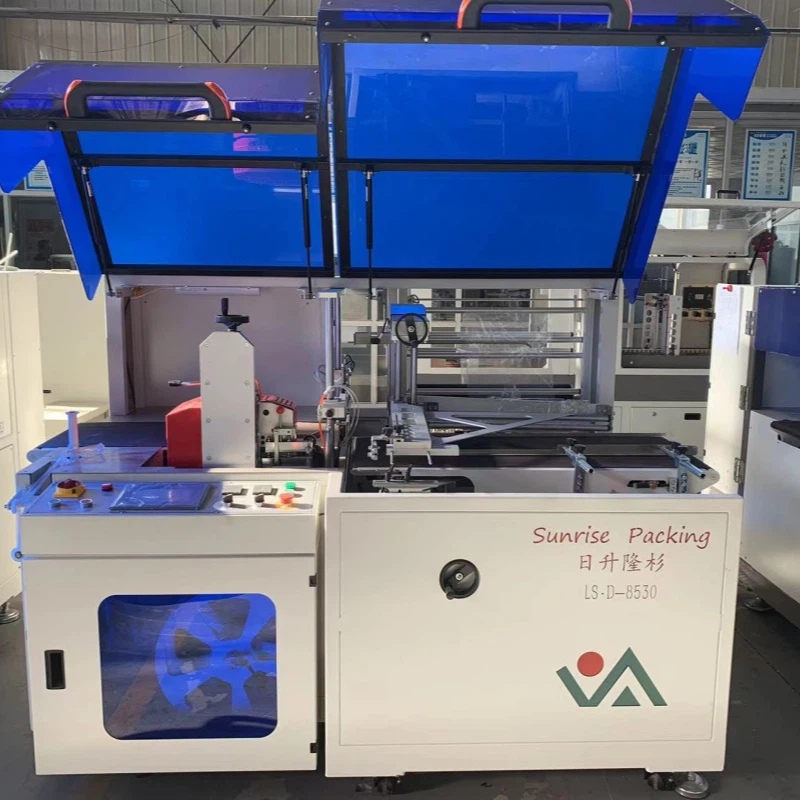
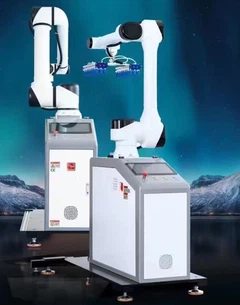

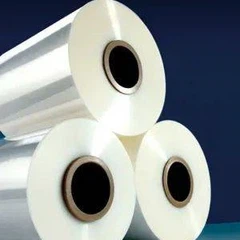
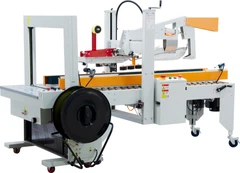
Why Choose Us?


Rich experience: Sunrise(Tianjin) packaging Machinery CO.,LTD, established in 2008 (Before name is Beijing Sunrise Packing Machinery Co.,LTD.)and has been committed to production and sales of post-packaging equipment and related material since established 17 years ago.
 

Diverse product types: Sunrise(Tianjin) packaging Machinery CO.,LTD is professional in researching and development of the following products: Plastic sealing machine, heat shrink packaging machine, baler, sealing and cutting machine, labeller, book distribute machine, Auto weighing machine, automatic unpacking machine, packing machine, belt conveyor, SS steel conveyor, stacker, automatic packaging line, shrink film and other related accessories.
 

Customized services: We can customized packaging equipment according to different goods and spaces of customers, make the product packaging automatically in production. Before production, we will provide technical guidance and help to debug the machine.
 

High quality: In many years of production practice has accumulated a wealth of on-site practical application experience, it lays the foundation of customer service.Excellent product quality and timely perfect after-sales service system are winning more and more praises of customers, and establish a long-term stable cooperative relationship with customers.


What Is Pcking Machine


Pcking machine is used throughout all packaging operations, involving primary packages to distribution packs. This includes many packaging processes: Fabrication, cleaning, filling, sealing, combining, labeling, overwrapping, palletizing.


First 1234567 Last
aaBenefits of Packing Machine

Some of the benefits of pcking machine include: 


Production: When producing numerous quality products, a full-bodied packaging line will break or make a company. This is especially true when producing high volumes of goods in short amounts of time. Investing tens or in some instances millions of dollars in pcking machine can be discouraging over the long-term and may make it a worthy investment.


Total cost of ownership: This is one of the most vital dynamics to consider while weighing options in the packaging department. With the ideal packaging machines, a smaller labor force will be required therefore paying out very fewer wages. Indeed, packaging machines may come with a large price tag, but when total cost of ownership of a packaging line is taken and compared to manual laborers, then machinery is the most practical option.


Speed: Pcking machine enables the packaging of more packages per hour than manual labor. When the speed of getting products to market is a pertinent dynamic for a business, pcking machine is extremely important.


Reliability: Packaging machines do not take personal, sick, or vacation time. While interruption may happen because of mechanical failure these issues are simply remedied. Coupled with a scheduled preventative maintenance, packaging lines save thousands of fruitless dollars and time.


What Affects the Cost of a Packing Machine
High Speed Plastic Packing Machine
 

Functionality

The functionality of each machine has a big effect on the cost of the equipment. The price of your machine is going to be based upon the equipment's capabilities, factoring in things like speed, the hourly volume of packages produced, and whether the machine is a manual or automatic model.

High Speed Plastic Packing Machine
 

Mechanical components

Manual models will have less moving parts, internal computer-controlled motors and other more complicated components. As such, automatic models that can be programmed and run automatically via the control panel will cost more than the manual models available.

Heat Shrink Wrap Machine
 

Capabilities

Depending on the model you choose and the machine's capabilities, you will have to consider your cost of materials. Entry-level machines are going to package less volume and use less materials daily versus a high-end automatic machine. While a high-end automatic model will cost a lot more upfront, running higher amounts of materials will help you cut costs as you will generally get discounts on materials orders for larger volumes of product purchased. In this respect, your total cost of ownership over time will be less for more expensive higher-end models.


The Types of Materials That Packing Machine Can Package


Rigid Plastic
This type of packaging is made from polyethylene terephthalate (PET) plastic or high-density polyethylene (HPDE) plastic. Some of the more common types of rigid packaging are plastic bottles like those used for soda, water, shampoo, lotion, etc.
 

Paper
Paper is a popular packaging choice used with various types of products like the paper your butcher uses to wrap meat in. Paper bags, product labels, and tissue paper and some other types of paper packaging are available.
 

Paperboard
Paperboard is thicker and sturdier than paper packaging. This packaging solution is frequently used as the primary package that contains products, such as cereal, TV dinners, crackers, etc. Paperboard can also be produced in different thicknesses, so it is also a good choice for juice boxes, milk containers, and more.
 

Cardboard/Fiberboard
Cardboard and fiberboard are considered secondary packaging materials. They are the most common material used to ship products to retailers and consumers. Some businesses also use cardboard and fiberboard for primary packaging for products like vacuum cleaners, cooking utensils, pots and pans, appliances, HD TVs, etc.
 

Aluminum
From aluminum foil to aluminum cans, aluminum is also a very popular packaging material used for primary packaging.
 

Glass
While plastic packaging has become more popular, there is still a wide variety of products that are packaged in glass. You will find glass containers used for food products like spaghetti sauces and personal care items like perfume and cologne. With a move for companies to be more eco-friendly, glass is gradually making a comeback because it is fully recyclable and can be reused an endless number of times.
 

Flexible Plastic
This is another type of plastic packaging used with a variety of products. It is made from linear low-density polyethylene (LLDPE) or low-density polyethylene (LDPE). LLDPE is commonly used as shrink wrap, stretch wrap, and other thin plastic packaging types like the plastic wrap used around pallets or the green plastic bags grocery stores make available in the produce section.
LDPE can be produced in various thicknesses and is typically used as primary packaging, but it can also be used as secondary packaging. Pet food, pet treats, toilet paper, tools, parts, and bags of potato chips are some primary packaging products that use LDPE. Secondary LDPE packaging would be the plastic wrapped around cases of bottled water or canned goods.


10 Types of Packing Machine You Need to Know
High Speed Plastic Packing Machine
Heat Shrink Wrap Machine
Heat Shrink Packing Machine
High Speed Plastic Packing Machine

Pre-Made Pouch Bagging Machines
These machines take the ready-to-go pouches, open them up, fill them, and seal them — using either a zipper or non-zipper system. Ideal for food products, pet foods, pharmaceuticals, and other consumer goods, they guarantee an airtight seal.
The pros of using a food packaging machine like this include product versatility, speed, efficiency, high-quality pouch designs, and locked-in freshness. Unsurprisingly, pre-made pouches are the packaging of choice for coffee, spices, pet food, and dried fruits.
 

Horizontal Form, Fill, and Seal (HFFS)
HFFS machines create, fill, and seal packages from a single roll of packaging material. They are ideal for products requiring horizontal packagings, like bars, candies, and baked goods.
The benefits of these machines include high-speed packaging, flexibility, and reduced material waste due to the continuous packaging process. However, they may be less suitable for packaging products with irregular shapes or requiring vertical positioning.
 

Vertical Form, Fill, and Seal (VFFS)
VFFS machines function similarly to HFFS machines but create packages vertically, making them perfect for packaging products like chips, nuts, powders, and granules.
Pros of an automatic packing machine include their high-speed operation, versatility in handling various packaging materials, and adaptability for different product types.
 

Flow Wrapping
Few packaging solutions are as fast and efficient as flow-wrapping. These machines wrap a continuous plastic film around a product, often using heat sealing to lock in the air, creating a pillow-like final package.
Candies, snack foods, and baked goods commonly rely on them for their speed and cost efficiency.
 

Shrink Wrapping
It involves wrapping a product(s) in a heat-sensitive plastic film that shrinks when heated. The result is a tamper-evident protective seal that protects an item or bundles multiple products together.
Cost-effective, versatility, and a high-quality finish make it popular among packaging machine manufacturers. From water bottles to cosmetics, shrink wrapping is the preferred method of choice — although it doesn't alter the structural support of alternative packaging methods.
 

Tray Sealers
Meat, fish, and ready meals require packaging that showcases the product and prevents outside contamination. Enter tray sealers — the product is placed in a plastic or polystyrene tray and sealed with a lid or film.
Nothing creates a protective, airtight environment cheaper and more effective than tray sealing.
 

Palletizers
They are automated packaging machines that stack products onto pallets for easy transportation and storage. They are used across various industries to improve warehouse efficiency and reduce labor costs.
Pros of using palletizers include increased productivity, reduced risk of injury, and the ability to handle various package sizes and weights.
 

Cartoners
These machines are commonly used for liquid or semi-solid food products. These form, fill, and seal machines work effectively and efficiently, producing a sturdy, stackable result ready for the shop shelf. They even range widely in size and style, suitable for everything from food products to consumer goods.
 

Stick Pack Packaging Machines
This packaging machinery produces slender, tube-like packages ideal for single-serve products such as coffee, sugar, or pharmaceutical powders. These are commonly found in hotels, restaurants, and other public locations.
Stick packs are as compact as they are convenient — capable of being stored in boxes for easy transport.
 

Thermoformer
Unlike any other packaging method — thermoformers take a plastic sheet and, using a mold, mass-produce a custom-shaped container. Food, medical devices, and consumer products can all be stored inside. Indeed, due to the bespoke nature of the mold, thermoforming is highly adaptable to unusual product shapes and sizes.


How to Choose the Right Packing Machine Equipment

The company conducted a competitive advantage analysis to identify its strengths and weaknesses compared to its rivals.

Product size and shape

The dimensions and shape of your product can influence whether topload, endload, or wraparound cartoners, as well as the type of case packing or palletizing solutions, are most suitable.

01

Production volume

Evaluate your daily or hourly production needs. High-volume operations may benefit from the efficiency of robotic case packing and palletizing.

02

Product handling 

Fragile or irregularly shaped products may require the gentle handling offered by specific cartoners or customizable robotic case packing and palletizing solutions.

03

Future scalability

Consider equipment that can grow with your business, offering modularity or adjustable settings for different products, as well as intermittent and continuous motion cartoners.

04

Integration with existing lines

Ensure the equipment can be integrated with your existing primary packaging machines and conveyor systems for a seamless operation.

05


Working Process and Basic Forms of Packing Machines


Equipment that completes all or part of the packaging process is called packaging machinery. Depending on their function, they can be categorized into packing machines, wrapping machines, heat shrink packaging machines, vacuum and vacuum inflation packaging machines, high-pressure steam cooking bag packaging machines, and filling and sealing machinery, among others.
Machines that fill liquids, semi-fluids (sauces), powders, and granular materials into packaging bags made of flexible materials and then exhaust or inflate and seal to complete the packaging are known as packing machinery.
Before sacheting, the bag must first be made. The flexible materials used for bag making, such as paper, wax paper, plastic film, aluminum foil, and their composite materials, should have good performance in protecting the items. They should be inexpensive, lightweight, easy to print, form, seal, and open for use, and easy to handle. The resulting sachet products are small in volume, lightweight, and aesthetically pleasing, becoming an important feature of flexible packaging products.
Due to the excellent heat sealing, printability, transparency, and moisture-proof and breathable properties of plastic films and their composite materials, they have been widely used in actual production. The fillings have evolved from initially only granular items to liquids, gases, colloids, and large blocks of solids.

Working process
Packing machines use heat-sealable flexible packaging materials to automatically complete multiple functions such as bag making, material measuring and filling, exhausting or inflating, sealing, and cutting. These machines can be used to package liquid, solid, and gaseous materials and are currently the most rapidly developing and widely used type of packaging machine. With solid lines representing the basic operation procedures and dashed lines for auxiliary work procedures as needed. These packaging machines come in horizontal and vertical types.

Basic forms of bags
Common forms include pillow bags, flat bags, and stand-up bags. Each type has various forms. Common types include:
Pillow bags: According to the seam method, it can be divided into longitudinal seam overlap bags and longitudinal seam overlap side fold bags.
Flat bags: Can be divided into three-side seal bags and four-side seal bags.
Stand-up bags: Common types include cone-shaped bags, elliptical cylinder bags, triangular bags, and cubic column bags.
In the bag-making process, it generally starts with longitudinal sealing followed by horizontal sealing. Therefore, within the full length of the seam of pillow bags, there are three or four layers of film overlapped, which affects the quality of the seal. Flat three-side seal bags have an equal number of film layers inside, resulting in better sealing quality, but the bag's appearance is asymmetric, making it less aesthetically pleasing.
Various stand-up bags are aesthetically pleasing and have the advantage of standing without falling, facilitating subsequent boxing procedures and product placement and display. However, they require more packaging materials, usually composite packaging materials.

 
Our Factory
 

Sunrise(Tianjin) packaging Machinery CO.,LTD, established in 2008 (Before name is Beijing Sunrise Packing Machinery Co.,LTD.)and has been committed to production and sales of post-packaging equipment and related material since established 17 years ago.
Excellent product quality and timely perfect after-sales service system are winning more and more praises of customers, and establish a long-term stable cooperative relationship with customers.


productcate-1-1

 
video


Company Certificate


High-tech Enterprise Certificate,utility Model Patent Certificate*3,Computer Software Copyright Registration Certificate*4


productcate-1-1


FAQ
 

Q: What is the meaning of packing machine?

A: Pcking machines are used to package products or components. This product area includes equipment that forms, fills, seals, wraps, cleans, and packages at different levels of automation. Packaging machines also include related machinery for sorting, counting, and accumulating. There are many different package types.

Q: What does a packing machine do?

A: A pcking machine is an automated machine that sets up a tray or wrap around case and loads product from the side, top or bottom. After the product is loaded, the case is closed and sealed by glue or tape

Q: How does a packing machine work?

A: They do this with a special slitting component that cuts the large roll of packaging film into strips or 'sticks'. After being slit, each stick is formed into a long, thin bag shape, then filled with product (usually powder or liquid), and finally, each stick is sealed shut.

Q: What machine is used for packaging?

A: Batching machines prepare items for processing or packaging while bagging machines, banding machines, sleeving machines, and box making machines complete other packaging processes.

Q: Why is packing machine used?

A: Although it can often be an afterthought, packaging is a fundamental aspect of supply chain management. Whilst its core purpose is to protect your products, it can also play a key role in the correct handling of your goods. Your brand representation can also be improved when using the right materials.

Q: What equipment is needed for packaging?

A: Batching machines prepare items for processing or packaging while bagging machines, banding machines, sleeving machines, and box making machines complete other packaging processes. Bundling machines form goods into piles for banding or wrapping while capping machines screw caps, and carton machines make cartons.

Q: What is packing machine process?

A: The packing process takes place in the warehouse and typically consists of choosing appropriate materials and an appropriate container to pack the products, weighing the package, and labeling it with the relevant invoice or packing slip.

Q: What's the difference between packing and packaging?

A: The process of packing covers and protects the products by containers or boxes to prevent breakage during transportation, whereas the process of packaging protects the products and identifies the particular brand of a particular company. The packaging gives information about the company and its brand through labelling.

Q: How to choose the right packing machine?

A: 5 Things to consider when selecting packaging equipment
Speed of packaging equipment matters.
Waste is an inevitable part of packaging to consider.
Consider costs of operation and maintenance.
Consider costs of training and continued labor.
Consider variety of packaging you will be using.

Q: What is a packaging machine called?

A: Baggers or bagging machines are a type of packaging equipment used to package items in roll bags or poly bags. Most baggers (including what is commonly referred to as manual baggers) are either semi-automatic or automatic machinery. There is also another type of bagger called a drop bagger.

Q: What material is used for packing machine?

A: Essentially, there are different types of packaging materials. For example, corrugated boxes, plastic wraps, bubble wraps, cardboard boxes, plastic containers, tin cans, tetra packs, and many others are some types of packaging materials.

Q: How many bags can the packing machine make per minute?

A: Generally, automated flexible packaging machines can be rated for anywhere from 30 – 300 bags per minute. Actual production speeds, however, depend on many factors

Q: What is the principle of packing machine?

A: This machine uses a film and turns it in the shape of the bag. The product is then inserted in the bag and it is sealed. It has a speed of 80 bags in a minute. Before getting a machine, it is vital to know the mechanism behind it.

Q: What precautions should be taken when using a packing machine?

A: It is strictly forbidden to use this machine in a corrosive and dusty environment. Do not replace parts on the machine at will. Keep the inside and outside of the pcking machine clean, and remove the adhesive objects in the vacuum chamber in time.

Q: How do you clean a packing machine?

A: Recommended cleaning solutions are chlorinated alkaline detergents with 300 - 500 ppm of chlorine. Rinse the machine with clear water immediately after cleaning. Do not leave the pouch packing machine to air dry as this can cause a film build-up.

Q: What are the 4 principles of packaging?

A: This is where the 4C Principles of Packaging Design—Clarity, Creativity, Consistency, and Consumer-Centricity—come into play, offering a strategic framework beyond aesthetics to foster deep connections between brands and their customers.

Q: What types of materials can I use with my pouch packing machine?

A: Pouch packing machines can handle a variety of materials in producing pouches. Commonly used materials include polypropylene, polyethylene terephthalate (PET), laminates, and biodegradable materials to align with sustainable packaging goals. It's important to mention that the material type will rely heavily on your product's packaging requirements and compatibility.

Q: What precautions should you take when operating a packing machine?

A: Operate machinery only when safeguards are properly installed and adjusted.
Never remove machine safeguards or try to get round them.
Do not use a machine with safeguards that are unauthorised or damaged.
If you discover a machine safeguard problem, report it immediately.

Q: How do you maintain a packing machine?

A: Here's how you can maintain your heavy machines and extend their longevity.
Ensure regular lubricant replacements.
Clean the machines thoroughly.
Check the machinery for wear and tear.
Avoid exceeding performance specifications.
Train your employees.
Document your preventive maintenance and servicing in detail.

Q: What is the useful life of packing machine?

A: 10 to 15 years. In the case of packaging machinery, life expectancy is generally in the region of 10 to 15 years.

We're well-known as one of the leading packing machine manufacturers and suppliers in China. If you're going to buy customized packing machine made in China, welcome to get more information from our factory.

box packing machine, custom made packing machine, weighing packing machine

Send Inquiry