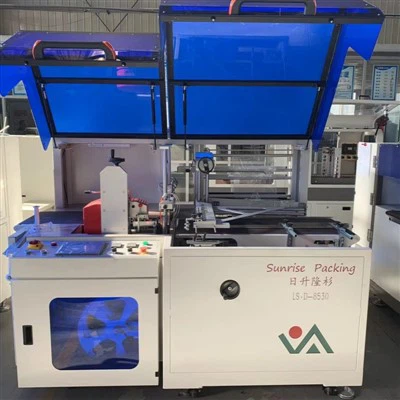

Why Choose Us?


Rich experience: Sunrise(Tianjin) packaging Machinery CO.,LTD, established in 2008 (Before name is Beijing Sunrise Packing Machinery Co.,LTD.)and has been committed to production and sales of post-packaging equipment and related material since established 17 years ago.
 

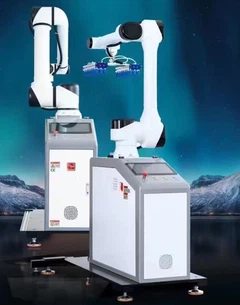
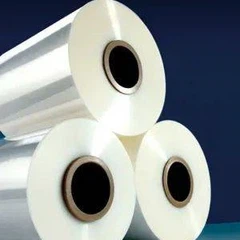
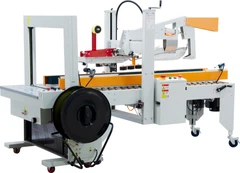
Diverse product types: Sunrise(Tianjin) packaging Machinery CO.,LTD is professional in researching and development of the following products: Plastic sealing machine, heat shrink packaging machine, baler, sealing and cutting machine, labeller, book distribute machine, Auto weighing machine, automatic unpacking machine, packing machine, belt conveyor, SS steel conveyor, stacker, automatic packaging line, shrink film and other related accessories.
 

Customized services: We can customized packaging equipment according to different goods and spaces of customers, make the product packaging automatically in production. Before production, we will provide technical guidance and help to debug the machine.
 

High quality: In many years of production practice has accumulated a wealth of on-site practical application experience, it lays the foundation of customer service.Excellent product quality and timely perfect after-sales service system are winning more and more praises of customers, and establish a long-term stable cooperative relationship with customers.


What Is Packing Machine


Packaging machine is used to package products or components. This product area includes equipment that forms, fills, seals, wraps, cleans, and packages at different levels of automation. Packaging machines also include related machinery for sorting, counting, and accumulating. There are many different package types. Closing methods for packaging machinery can use caps and lids, cork, glue, heat seals, nails or staples, tamper-evident or tamper-resistant tape, tuck and fold techniques, and wrapping paper.


The Benefits of Using a Packing Machine


Understanding the importance of packing machine in the modern world, packaging is crucial to preserve and protect products.
To achieve this, companies rely on packing machine to perform a variety of tasks. The use of machinery in packaging has numerous benefits, including:
Improving labor efficiency : Some packing machine, such as candy packing machines, can greatly increase production speed compared to manual packaging.
Ensuring packaging quality : The use of machinery is particularly important for exports to guarantee reliable packaging.
Handling specialized packaging needs : Machinery can accommodate specialized forms of packaging, such as inflatable packaging, skin packaging, vacuum packaging, and pressure packaging.
● Reducing labor and improving working conditions for heavy or bulky goods.
Protecting employees from health risks and environmental contamination : Machinery can eliminate hand contact with hazardous or toxic products, dust, etc.
Reducing packaging and storage expenses : The use of compression packaging can save costs for loose goods, such as tobacco, cotton, linen, and silk.
Ensuring good hygiene : Machinery can eliminate hand contact with food and medicine to improve hygiene standards.


Working Principle of Packing Machine
 

Many industries use packing machine for many reasons. These machines are faster and provide the best economical solution for packaging. They are also smaller and save your money. These machines provide you with the ultimate benefit of a simple operating system and compact interface design that lead to better production. That's why this machine is important for many industries altogether. This machine uses a film and turns it in the shape of the bag. The product is then inserted in the bag and it is sealed. The operating system of the packing machine is very simple and sublime. You can make many packets in a short time with compacted space. Below are steps that might tell you the overall mechanism of the machine.

01/

The first step is to have the single film sheet rolled around the rolling stock. The rolling material can vary depending on the desire of the industry owner such as cellophane laminates, polyethene, paper laminates, and foil laminates. The film roll is situated in the rear part of the packing machine on a spindle assembly. When the machine is turned on, the transport belt pulls the roller and positions it rightly.

02/

After the unwinding process comes, the file goes over to the dancer it brings tension to the film. This process is important to make sure that the film is in the right position.

03/

Later, the bag is moved on towards the part where bags are filled with the product and sealed perfectly.

04/

The bags are separately cut and discharged through the open jaws.

05/

The film also passes by the printing part of the packing machine. The industries might use this process for the printing of dates, registration marks, and other things.

06/

Later the registration mark is checked on the film as it passes through the registration photo-eye part. Moreover, the sensors also help the film to come back to the original position if it wanders off.After that, the film goes to the forming tube. This process overlaps the edges of the film and it takes the shape of the bag.


Classification of Packing Machines


Packing machines abound in the market, and there is a wide variety of them to choose from. Some of the ways in which packing machines are classified are:

 
01
 

Primary or secondary:

This can even be referred to as inner and outer packaging. Primary or inner packing is the packaging in contact with the product while secondary or outer packaging refers to the second layer of packing and includes machines such as wrapping machine, cartoning machine, box filling machine, shrink wrap machine, etc.

 
02
 

Single function or multi-function:

Single function packing machines serve only one function in the packing process such as filling or sealing.
Multi-function machines perform multiple functions. Modern machines automatically form the pouch into various formats like pillow, gusset, sachet, quad seal, stick pack, etc., then fill the product, seal and cut the pouch.

 
03
 

Automatic or semi-automatic:

Multi-function machines are usually fully automatic machines. If you have a limited budget or smaller output targets, you could consider a semi-packing machine.

Automatic Book Packing Machine


IP Rating in Packing Machines: Key to Durability & Efficiency


The application of IP ratings in packing machines is a critical factor that determines their suitability for different operational environments. These ratings are not just numbers but a reflection of the machine's ability to withstand various conditions, thereby directly influencing its performance, maintenance needs, and lifespan.


Consider a horizontal flow wrapping machine with an IP65 rating. This machine is dust-tight and can withstand water projected from a nozzle. This makes it ideal for packaging food items, where cleanliness is paramount, and the machine may frequently be subjected to washdowns for cleaning and sanitization.


Similarly, a tea & coffee bag packing machine with an IP54 rating is protected against limited dust ingress and water sprays from any direction. This makes it suitable for environments where it's not exposed to heavy dust or high-pressure water jets. It can be used in relatively controlled environments, where the exposure to dust and water is minimal.


A vertical form fill seal machine with an IP66 rating is completely dust-tight and protected against powerful water jets. This makes it suitable for use in harsh industrial environments where the machine might be exposed to dust and water regularly.


Lastly, a premade bag packing machine with an IP67 rating is dust-tight and can withstand temporary immersion in water. This makes it ideal for use in environments where the machine might be subjected to washdowns or even accidental submersion.


The IP rating of a machine directly impacts its longevity, efficiency, and safety. Machines with higher IP ratings are likely to have longer operational lives, require less maintenance, and provide safer working environments. They are designed to withstand harsher conditions, thereby reducing the risk of failure and the associated downtime. Therefore, understanding and considering IP ratings when selecting packaging equipment is a strategic move that can save costs, reduce downtime, and ensure compliance with health and safety regulations.


Packing Machine Maintenance
 

 To make your maintenance process as efficient as possible, start with developing your procedures beforehand and implement them on a recurring basis. Looking out for system malfunctions is key, as this may indicate a need for replacement or repair. With safeguarding and monitoring, you can conduct the correct maintenance but also be sure that you should keep the machine well-cleaned and operational.
Periodic maintenance prevents problems, extends the lifespan and saves money. A failure in a packing machine can cause a complete production line to come to a standstill. Instead of dealing with logistical headaches, developing a sound routine can prevent downtime associated with repair and replacing parts.


Automatic Book Packing Machine
 

Preventive lubrication

The user is responsible for the moving parts of the machine. They must be kept lubricated regularly and provided with a drop of lubricant, as described in the machine manual. If this preventive lubrication is neglected, defects resulting from friction are usually not covered by warranty.

Automatic Book Packing Machine
 

Keep the machine clean

Periodic cleaning, when done often, can prevent long periods of downtime associated with more intense, less-frequent maintenance. Dirty machines are unpleasant to use and work on. If the machine is covered in dust, dirt, and debris, it may also mask some potential problems with its functionality.
A simple wipe-down at the end of the workday can make a lasting impact on preventing larger problems later on.

Automatic Book Packing Machine
 

Machine inspection

Regular inspection is key to ensuring a long lifespan for your machine. If the problem is caught early, it may lead to a timely and inexpensive fix, but the longer the problem lingers on, the higher the price is likely to be.
Routine inspection will ensure that the machine still produces to the same accuracy and efficiency standard as it did on the first day you bought it. Recurring examination of all machine parts can help reduce repair downtime and drive bottom line savings for your business.

Automatic Book Packing Machine
 

Changing parts regularly

Packing machine parts can wear down from recurring use. To ensure that the machine is working to its full potential, you should be well aware that the parts will need changing regularly to avoid any slowing down of the mechanisms or failure altogether.
If this should occur, it would inhibit the production line and disrupt your workflow. Thus, the parts should only be changed by a highly qualified and trained personnel or a certified service technician.
To reduce downtime, you should familiarize yourself with the types of parts used on your machines and the process of changing the spare parts. These parts fall into three categories:
High-wear parts: These parts have a short lifecycle.
Medium-wear parts: They have a longer life cycle and may or may not ever fail.
Low-wear parts: These parts should never fail.
These part changes may coincide with an upgrade for your machine components, in which case you should keep up good communication with your provider to ensure that there is no recommended upgrade needed in the coming months. This will result in a better-performing packing machine.

Automatic Book Packing Machine
 

Autonomous maintenance tasks

Autonomous maintenance tasks involve machine operators performing the maintenance tasks instead of professional technicians. There are different types of benefits that this practice can provide, some of which include:
Increased machine availability: Self-maintenance is an important issue for improving machine availability. By reducing downtime (scheduled and unscheduled shutdowns), the availability of equipment is increased, which makes it possible to reduce production times and be more responsive to changes.
Improved operator ownership of the machine: By focusing on machine maintenance, we no longer correct the effects of the problems but the causes. Self-maintenance has an undeniable effect on the stability of the machine's processes.
Reduced costs related to equipment maintenance: Self-maintenance has a significant impact on reducing maintenance costs since the number of hours of corrective maintenance is reduced. The cost of production shutdowns for preventive maintenance is lower than that of corrective maintenance since shutdowns are planned.
Reduced the risk of accidents: The risks of accidents are reduced by better understanding the risks associated with the machine.


Our Factory
 

Sunrise(Tianjin) packaging Machinery CO.,LTD, established in 2008 (Before name is Beijing Sunrise Packing Machinery Co.,LTD.)and has been committed to production and sales of post-packaging equipment and related material since established 17 years ago. Excellent product quality and timely perfect after-sales service system are winning more and more praises of customers, and establish a long-term stable cooperative relationship with customers.


productcate-1-1

 
video


Company Certificate


High-tech Enterprise Certificate,utility Model Patent Certificate*3,Computer Software Copyright Registration Certificate*4


productcate-1-1


FAQ
 

Q: What material is used for packing machine?

A: Essentially, there are different types of packaging materials. For example, corrugated boxes, plastic wraps, bubble wraps, cardboard boxes, plastic containers, tin cans, tetra packs, and many others are some types of packaging materials.

Q: How many bags can the packing machine make per minute?

A: Generally, automated flexible packaging machines can be rated for anywhere from 30 – 300 bags per minute. Actual production speeds, however, depend on many factors

Q: What is the principle of packing machine?

A: This machine uses a film and turns it in the shape of the bag. The product is then inserted in the bag and it is sealed. It has a speed of 80 bags in a minute. Before getting a machine, it is vital to know the mechanism behind it.

Q: What precautions should be taken when using a packing machine?

A: It is strictly forbidden to use this machine in a corrosive and dusty environment. Do not replace parts on the machine at will. Keep the inside and outside of the packing machine clean, and remove the adhesive objects in the vacuum chamber in time.

Q: How do you clean a packing machine?

A: Recommended cleaning solutions are chlorinated alkaline detergents with 300 - 500 ppm of chlorine. Rinse the machine with clear water immediately after cleaning. Do not leave the pouch packing machine to air dry as this can cause a film build-up.

Q: What are the 4 principles of packaging?

A: This is where the 4C Principles of Packaging Design—Clarity, Creativity, Consistency, and Consumer-Centricity—come into play, offering a strategic framework beyond aesthetics to foster deep connections between brands and their customers.

Q: What types of materials can I use with my pouch packing machine?

A: Pouch packing machines can handle a variety of materials in producing pouches. Commonly used materials include polypropylene, polyethylene terephthalate (PET), laminates, and biodegradable materials to align with sustainable packaging goals. It's important to mention that the material type will rely heavily on your product's packaging requirements and compatibility.

Q: What precautions should you take when operating a packing machine?

A: Operate machinery only when safeguards are properly installed and adjusted.
Never remove machine safeguards or try to get round them.
Do not use a machine with safeguards that are unauthorised or damaged.
If you discover a machine safeguard problem, report it immediately.

Q: How do you maintain a packing machine?

A: Here's how you can maintain your heavy machines and extend their longevity.
Ensure regular lubricant replacements.
Clean the machines thoroughly.
Check the machinery for wear and tear.
Avoid exceeding performance specifications.
Train your employees.
Document your preventive maintenance and servicing in detail.

Q: What is the useful life of packing machine?

A: 10 to 15 years. In the case of packaging machinery, life expectancy is generally in the region of 10 to 15 years.

Q: What is the meaning of packing machine?

A: Packing machines are used to package products or components. This product area includes equipment that forms, fills, seals, wraps, cleans, and packages at different levels of automation. Packaging machines also include related machinery for sorting, counting, and accumulating. There are many different package types.

Q: What does a packing machine do?

A: A packing machine is an automated machine that sets up a tray or wrap around case and loads product from the side, top or bottom. After the product is loaded, the case is closed and sealed by glue or tape

Q: How does a packing machine work?

A: They do this with a special slitting component that cuts the large roll of packaging film into strips or 'sticks'. After being slit, each stick is formed into a long, thin bag shape, then filled with product (usually powder or liquid), and finally, each stick is sealed shut.

Q: What machine is used for packaging?

A: Batching machines prepare items for processing or packaging while bagging machines, banding machines, sleeving machines, and box making machines complete other packaging processes.

Q: Why is packing machine used?

A: Although it can often be an afterthought, packaging is a fundamental aspect of supply chain management. Whilst its core purpose is to protect your products, it can also play a key role in the correct handling of your goods. Your brand representation can also be improved when using the right materials.

Q: What equipment is needed for packaging?

A: Batching machines prepare items for processing or packaging while bagging machines, banding machines, sleeving machines, and box making machines complete other packaging processes. Bundling machines form goods into piles for banding or wrapping while capping machines screw caps, and carton machines make cartons.

Q: What is packing machine process?

A: The packing process takes place in the warehouse and typically consists of choosing appropriate materials and an appropriate container to pack the products, weighing the package, and labeling it with the relevant invoice or packing slip.

Q: What's the difference between packing and packaging?

A: The process of packing covers and protects the products by containers or boxes to prevent breakage during transportation, whereas the process of packaging protects the products and identifies the particular brand of a particular company. The packaging gives information about the company and its brand through labelling.

Q: How to choose the right packing machine?

A: 5 things to consider when selecting packaging equipment
Speed of packaging equipment matters.
Waste is an inevitable part of packaging to consider.
Consider costs of operation and maintenance.
Consider costs of training and continued labor.
Consider variety of packaging you will be using.

Q: What is one safety precaution when using the packing machine?

A: 1. Read the manual. The first and most important safety precaution is to read the manual or instructions that come with the equipment. ...
2. Wear protective gear.
3. Check the power source.
4. Follow the steps.
5. Test the equipment.
6. Maintain the equipment.
7. Here's what else to consider.

We're well-known as one of the leading packing machine manufacturers and suppliers in China. If you're going to buy customized packing machine made in China, welcome to get more information from our factory.

corrosion resistant packing machine, rotary packing machine, shrink wrapping packing machine

Send Inquiry