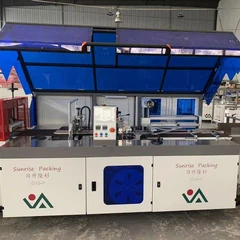
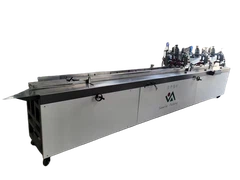
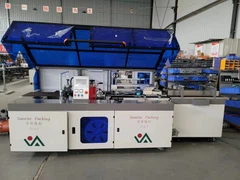
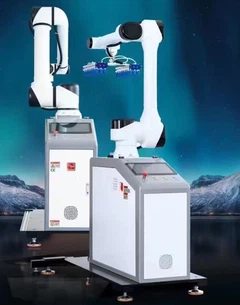

Why Choose Us?


Rich experience: Sunrise(Tianjin) packaging Machinery CO.,LTD, established in 2008 (Before name is Beijing Sunrise Packing Machinery Co.,LTD.)and has been committed to production and sales of post-packaging equipment and related material since established 17 years ago.
 

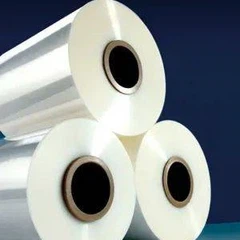
Diverse product types: Sunrise(Tianjin) packaging Machinery CO.,LTD is professional in researching and development of the following products: Plastic sealing machine, heat shrink packaging machine, baler, sealing and cutting machine, labeller, book distribute machine, Auto weighing machine, automatic unpacking machine, packing machine, belt conveyor, SS steel conveyor, stacker, automatic packaging line, shrink film and other related accessories.
 

Customized services: We can customized packaging equipment according to different goods and spaces of customers, make the product packaging automatically in production. Before production, we will provide technical guidance and help to debug the machine.
 

High quality: In many years of production practice has accumulated a wealth of on-site practical application experience, it lays the foundation of customer service.Excellent product quality and timely perfect after-sales service system are winning more and more praises of customers, and establish a long-term stable cooperative relationship with customers.


What Is a Plastic Sealing Machine


The key function of a plastic sealing machine is to bind layers of plastic together. The sealed pack offers protection of the contents from contamination and leakage, as well as enabling efficient handling and secondary packaging.
The sealing process includes binding two sides of a flexible plastic bag or pouch, through to sealing a rigid tray with a film lid. The seals are commonly created by heating the plastic and applying pressure by means of a sealing bar.
Plastic and other materials can be sealed with glue and adhesives, usually with the application of heat to melt the binding agent in a process known as hot melt gluing. Adhesives are most commonly used to apply plastic films to trays.
Rigid plastic tubs are commonly sealed by clip fitting a lid with a gasket, while packaging lines for plastic bottles and jars apply a screw cap to seal the container. Sealing machines for rigid plastic tubs, jars and bottles are known as capping machines.


First 12 Last
Advantages of Plastic Sealing Machines

Plastic sealing machines offer several advantages that make them indispensable in various industries and households.  


Preservation of freshness
Plastic sealing machines help preserve the freshness and flavor of food products. By creating airtight seals, they prevent the entry of air and moisture, which can lead to spoilage and loss of quality.


Extended shelf life
When products are sealed properly, their shelf life is extended. This is particularly key for businesses dealing with biodegradable items, as it reduces wastage and ensures that products remain saleable for a longer period.


Product safety
Plastic sealing machines help ensure the safety of the products they package. Crystal clear seals can be applied, giving consumers confidence that the product has not been opened or tampered with before purchase.


Cost-effective
Investing in plastic sealing machines can be cost-effective for businesses in the long run. It reduces the need for manual labor and minimizes the risk of errors in sealing, which can lead to product loss and recalls.


Convenience
Plastic sealing machines smooth the packaging process, making it faster and more efficient. This is especially important for businesses that require high-volume packaging.


What Are the Different Types of Plastic Sealing Machines


Plastic pouch sealing machine:
Imagine your favorite snacks neatly packed in small plastic pouches. A plastic pouch sealing machine is what brings these pouches to life. This machine uses heat to seal the open end of plastic pouches, ensuring the contents stay protected from moisture and impurity.
 

Plastic bottle cap sealing machine:
Have you ever wondered how the caps are securely placed on plastic bottles? A plastic bottle cap sealing machine is the answer. It tightly seals the caps onto the bottles, preventing any leaks and maintaining the product's honour.
 

Carton box sealing machine:
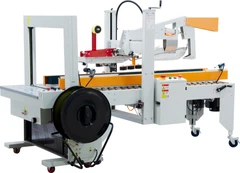
For larger items or bulk products, carton boxes are the go-to choice. A carton box sealing machine simplifies the packaging process by efficiently sealing the flaps of the box. This ensures the contents are secure during transit and storage.
 

Zipped bag sealing machine:
Zipped bags are convenient for storing various items, from snacks to stationery. A zipped bag sealing machine creates an airtight seal along the zippered portion of the bag, extending the shelf life of the contents.
 

Vacuum sealing machine:
Ever wonder at how frozen food looks so fresh even after months in the freezer? A vacuum sealing machine is the secret behind it. By removing air from the packaging and sealing it tightly, this machine prevents freezer burn and keeps food fresher for longer.
 

Food tray sealing machine:
When you buy ready-to-eat meals or fresh produce, the container's seal is important for safety and hygiene. A food tray sealing machine seals the lids onto food trays, ensuring that the contents remain unpolluted & pure.
 

Plastic cup/glass sealing machine:
From yogurts to beverages, many products are now available in plastic cups or glasses. This type of plastic sealing machine ensures that the lids are securely sealed onto the cups, preventing spills and maintaining freshness.
 

Automatic pouch sealing machine:
Automation has transform the packaging industry. An automatic pouch sealing machine takes efficiency to the next level by sealing pouches without the need for manual intervention. It's a time-saving solution for high-volume production.
 

Bread pouch sealing machine:
Freshly baked bread needs protection too. A bread pouch sealing machine seals the bags containing bread, keeping it soft and delectable for consumers.
 

Foot sealing machine:
In some cases, hands-free operation is essential. A foot sealing machine is operated by foot pedals, which makes it ideal for situations where hands are occupied, ensuring a secure seal without any hassle.


Plastic Sealing Machine for Food

The Working Principle of the Plastic Sealing Machine


The working principle of the plastic sealing machine: Its working principle is simpler and easier to understand than those of larger packaging equipment such as shrinking machines.
When the package containing the heat-shrinkable film is placed on the heat-sealing film conveyor belt, the sealing part of the bag is automatically sent between the two sealing belts running the heat-shrinking gun and brought into the heating zone, and the heat of the heating block is transmitted through the sealing belt to the sealing part of the bag, the film is heated and softened, and then through the cooling zone.
The surface temperature of the film is appropriately lowered, and then it is rolled by the knurling wheel or the printing wheel, so that the upper and lower plastic films of the sealing part are bonded and pressed into a net pattern or the logo is printed, and the sealed packaging bag is sent out of the machine by the guiding rubber belt and the conveyor belt, and the plastic sealing machine completes the sealing.
The assembly part of the plastic sealing machine is composed of a frame, a transmission mechanism for slowing down and speed regulation, a printing mechanism during sealing, a conveying device and an electrical and electronic control system. After the plastic sealing machine is connected to the power supply, each mechanism can start to work.
The electric heating element is heated by electricity, so that the temperature of the upper and lower heating parts rises sharply. The temperature can be controlled to adjust the system to the required temperature. The impression wheel rotates according to the cooling system needs to start cooling, and the conveyor belt is transferred and adjusted to the required speed by the speed control device.
The plastic sealing machine adopts electronic optional precision temperature controller, sealing and printing are automatically completed at one time, and can seal any kind of heatable film. The plastic sealing machine is the development and application of modern technology. It is easy to operate and uses delicate ptfe-coated sealing tape. Nowadays, whether it is heat-sealing film food, cosmetics, clothing and shoes, or heat-sealing film chemicals, electrical appliances, medicine, tea, dairy, beverages and other fields.

Applications of Plastic Plastic Sealing Machine


Plastic sealing machines are used widely in the chemical, medical, and pharmaceutical industries. Plastic sealing machines are also used to process food, beverages, cosmetics, electronics, and semiconductors.
End of line machines get the package ready for shipment. This may include bundlers (also called sleeve wrappers), palletizers, pallet wrappers, plus the conveyor system needed to transport the products. Additional equipment is used to apply labels or print on the box.
Uniform case sealers should be used for production runs of cases of the same size. They can be physically reset between cases of boxes.
Random case sealers are used when each box size can vary randomly, such as in order picking warehouses. The machine automatically adjusts to the size of the box as presented. Random case sealers are for lower volumes and more expensive than uniform case sealers.
Standup pouch filling machines are use for products displaying on a shelf (i.E. Bottled products). They use individual bags which are fed into the machine. Standup sealers can be used to fill powders, granules, or liquids into the pouch.

Plastic Sealing Machine for Food


Plastic Sealing Machine Maintenance: Tips to Keep Your Equipment in Top Condition
 

Daily maintenance checklist

Performing daily maintenance checks is essential to keep your sealing machine running smoothly.
Here are some daily maintenance tasks to include in your checklist:
● Check the temperature and pressure settings to ensure they are within the recommended range.
● Inspect the sealing jaws for damage or wear and tear.
● Clean the sealing jaws with a soft cloth and a non-abrasive cleaning solution.
● Check the supply of packaging materials, such as film or bags, to ensure they are not running low.
● Clear any debris or packaging material from the machine to prevent jams.
By performing these simple checks every day, you can catch potential issues before they become major problems.

Weekly maintenance checklist

In addition to daily checks, there are some weekly maintenance tasks that you should include in your checklist.
Weekly maintenance tasks include:
● Lubricate moving parts, such as the sealing jaws, with a food-grade lubricant.
● Clean the machine's exterior with a soft cloth and a mild detergent solution.
● Inspect the electrical connections and wires for damage or wear.
● Verify the accuracy of the temperature and pressure settings with a thermometer and pressure gauge.
By performing these weekly checks, you can keep your machine running smoothly and avoid unexpected breakdowns.

Monthly maintenance checklist

Finally, performing monthly maintenance tasks will keep your sealing machine in top condition.
Monthly maintenance tasks include:
● Replace any worn or damaged parts, such as the sealing jaws or heating elements.
● Deep clean the machine, including the interior components and any hard-to-reach areas.
● Calibrate the temperature and pressure settings to ensure they are accurate.
● Check the machine's manual for any additional maintenance requirements or recommendations.
Performing these monthly checks can help you catch any issues before they become major problems and keep your machine running smoothly for years to come.


How to Choose the Right Plastic Sealing Machine

Choosing the right plastic sealing machine for your business can be a daunting task. Here are some factors to consider when selecting a plastic sealing machine:

Type of seal

Determine the type of seal you require. Do you need an airtight or waterproof seal? Different types of seals require different types of plastic sealing machines.

01

Type of product

Consider the type of product you will be sealing. Different products require different sealing techniques and equipment. Powders and liquids may require different types of plastic sealing machines.

02

Packaging material

Consider the type of packaging material you will be using. Different types of packaging material require different types of plastic sealing machines. Plastic bags may require a different plastic sealing machine than aluminum foil.

03

Production volume

Determine your production volume. Plastic sealing machines come in different sizes and capacities, so it's important to choose one that can handle your production needs.

04

Cost

Consider your budget when selecting a plastic sealing machine. Prices can vary greatly depending on the type of machine and its features.

05


Our Factory
 

Sunrise(Tianjin) packaging Machinery CO.,LTD, established in 2008 (Before name is Beijing Sunrise Packing Machinery Co.,LTD.)and has been committed to production and sales of post-packaging equipment and related material since established 17 years ago.Excellent product quality and timely perfect after-sales service system are winning more and more praises of customers, and establish a long-term stable cooperative relationship with customers.


productcate-1-1

 
video


Company Certificate


High-tech Enterprise Certificate,utility Model Patent Certificate*3,Computer Software Copyright Registration Certificate*4


productcate-1-1


FAQ


Q: What does a plastic sealing machine do?

A: The key function of a plastic sealing machine is to bind layers of plastic together. The sealed pack offers protection of the contents from contamination and leakage, as well as enabling efficient handling and secondary packaging.

Q: What is a plastic sealing machine?

A: The key function of a plastic sealing machine is to bind layers of plastic together. The sealed pack offers protection of the contents from contamination and leakage, as well as enabling efficient handling and secondary packaging.
The sealing process includes binding two sides of a flexible plastic bag or pouch, through to sealing a rigid tray with a film lid. The seals are commonly created by heating the plastic and applying pressure by means of a sealing bar.

Q: What is the best temperature for a plastic sealing machine?

A: The degree of heat needed depends on the material used and its thickness. Plastics such as polyolefin shrink at 280–350 degrees fahrenheit (121 degrees celsius), while polyethylene has a heat-sealing temperature of 140 degrees fahrenheit, or 76.6 degrees celsius.

Q: What is the objective of plastic sealing machine?

A: Increased product shelf life: Plastic sealing machines can extend the shelf life of products by preventing moisture, air, and other contaminants from affecting their quality. Reduced product waste: Sealing machines can help reduce product waste by preventing spoilage and damage during shipping and handling.

Q: Which motor is used for plastic sealing machine?

A: One of the most common types of electric motors used in plastic sealing machines is the stepper motor. A stepper motor is a type of motor that moves in small, precise increments, allowing for precise control over the movement of the machine.

Q: What are the different types of plastic sealing machines?

A: Plastic sealing machines come in various types, including heat sealers, vacuum sealers, ultrasonic sealers, and induction sealers. Each type offers unique benefits and is suited for specific applications.

Q: What is the use of plastic sealing machine?

A: Plastic sealing machine is a device that securely closes and seals packaging materials such as bags, pouches, or containers. These machines use heat, pressure, or sealer to create airtight and tamper-proof seals, preventing the entry of air, moisture, or contaminants that can compromise the quality of the packaged products.

Q: What are the applications of sealing machine?

A: Sealing machines are used to seal containers with liquids, granules, powders, and sprays for consumer, bulk, and original equipment manufacturer (OEM) supply shipments. Packaging materials include aerosol containers, bags and pouches, blister packs, bottles and jars, as well as cartons and boxes.

Q: What kind of machine is used to seal?

A: There are several types of sealing machines, including heat sealers, vacuum sealers, ultrasonic sealers, and induction sealers. These machines serve various purposes and offer different levels of efficiency and effectiveness, depending on your specific requirements.

Q: How do I choose a plastic sealing machine?

A: The choice of plastic sealing machine of 4 elements: the packaging material, the capacity, the packaging format and the desired mobility. The packaging and the requirements of the packaging process determine which sealers are suitable.

Q: What is the lifespan of a plastic sealing machine?

A: The lifespan of plastic sealing machines can range for several years with time-to-time inspection to keep their parts true to the machines. In fact, their structural materials are of high-quality and surface treatment has been done to increase their durabilit

Q: Can sealing machines be used with any type of packaging material?

A: No, different types of sealing machines are designed to work with specific types of packaging material.

Q: How do I maintain plastic sealing machine?

A: Regular maintenance of your plastic sealing machine is important to ensure its longevity and performance. Consult your manufacturer's instructions for specific maintenance guidelines.

Q: How do I troubleshoot plastic sealing machine?

A: If you experience issues with your plastic sealing machine, consult your manufacturer's instructions for troubleshooting tips. If issues persist, contact the manufacturer for assistance.

Q: What are the different types of plastic sealing machine?

A: Plastic sealing machines fall into two principal categories. They are either constant sealing machines or impulse sealing machines. As the name implies, constant sealing machines provide permanent heat, and are designed for use in continuous packaging operations. The elements in impulse machines are heated only while they are sealing a bag or pack.
Impulse heat sealing machines start with entry level equipment capable of sealing up to 20 packs per hour. They are low cost, and use relatively low amounts of energy. However, they are generally only designed for use with lighter grade films. As such they are suitable for smaller operations such as artisan food producers and low volume retail stores using manual operation.

Q: How does a plastic sealing machine work?

A: To heat seal plastic, the essential requirements are heat and pressure. Whether they are impulse or constant machines, heat sealers feature one or more electrically heated elements which press against the open end of bags or the open sides of folded films.
The heating elements are usually in the shape of a bar which spans the top of the bags or films being used. Simple impulse sealers are most likely to feature a single electrically heated bar which melts the layers of plastic at the aperture of a bag.

Q: Why is plastic sealing machine not sealing?

A: Check the heating element and both PTFE pieces found under and over the heating element. Most often the problem with the sealer is that the PTFE & heating element are damaged/broken & need replacement. Please note that both element and PTFE will burn out with wear and tear and a replacement kit will fix this issue.

Q: What are the daily maintenance and repair methods for users of the plastic sealing machine?

A: Doing a good job in daily cleaning and maintenance can prolong the service life of the machine and reduce the cost of wear and tear. Please be sure to unplug the power supply, and ensure that the temperature of the machine drops before performing maintenance actions. Also, pay attention to the serrated cutter and moving parts at any time to avoid danger. Simple maintenance steps:
First unplug the power supply to ensure safety and cooling.
Check whether the upper mold heating plate is clean every day to prevent the upper mold from being dirty and unable to seal. After the electric heating has cooled, wipe the sealing area of the upper mold with a damp cloth or a plastic brush.
The lower template drive must be wiped clean every day, and greased every week to ensure the track is lubricated and smooth.
Keep the grooves of the lower die clean to prevent the upper die from getting stuck on the blade.
The track of the top cup should be kept clean, preferably butter with high viscosity, and the oiled parts are track, spring and axle.
Keep the film electric eye and the automatic in and out electric eye (micro-motion) switch clean and clean.

Q: How is a plastic sealing machine used?

A: Plastic sealing machine is a piece of equipment that creates an airtight seal at the opening of a container. The seal protects solids, liquids, and contents in other forms inside the container against leakage, contamination, or tampering.

Q: Where is the plastic sealing machine's HMI located?

A: The HMI, or Human machine interface, provides a text and graphics-based visualization of the packaging system. An HMI is the main interface between an operator and the packaging machine and provides monitoring, controls, error reporting, and other functions. Modern HMIs are touch screen and intuitive to use.

We're well-known as one of the leading plastic sealing machine manufacturers and suppliers in China. If you're going to buy customized plastic sealing machine made in China, welcome to get more information from our factory.

production line packing machine, international market packing machine, floor standing carton sealer

Send Inquiry