




How to adjust the feeding speed of a sealing and cutting machine?
Nov 18, 2025
Leave a message
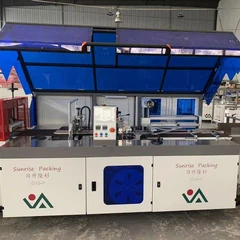
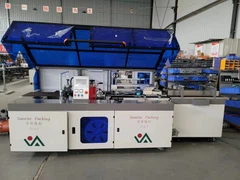
As a supplier of sealing and cutting machines, I understand the importance of adjusting the feeding speed to ensure optimal performance and product quality. In this blog post, I'll share some practical tips on how to adjust the feeding speed of a sealing and cutting machine effectively.
Understanding the Feeding Speed
The feeding speed of a sealing and cutting machine refers to the rate at which the material, such as plastic film or packaging material, is fed into the machine for sealing and cutting. It is a crucial parameter that affects the efficiency, accuracy, and quality of the packaging process. A proper feeding speed ensures that the sealing and cutting operations are carried out smoothly, without causing jams, wrinkles, or uneven cuts.
Factors Affecting Feeding Speed
Before adjusting the feeding speed, it's essential to understand the factors that can influence it. These factors include:
- Material Type and Thickness: Different materials have different physical properties, such as flexibility, stiffness, and friction coefficient. Thicker materials generally require a slower feeding speed to ensure proper sealing and cutting. For example, a thick plastic film may need a slower speed compared to a thin one.
- Machine Model and Capacity: Each sealing and cutting machine has its own specifications and capabilities. The machine's design, motor power, and mechanical components determine the maximum and minimum feeding speeds it can handle. Refer to the machine's user manual for the recommended feeding speed range.
- Sealing and Cutting Requirements: The type of sealing and cutting operations, such as heat sealing, impulse sealing, or continuous sealing, can also affect the feeding speed. Some sealing methods may require a slower speed to achieve a strong and reliable seal.
Steps to Adjust the Feeding Speed
Here are the general steps to adjust the feeding speed of a sealing and cutting machine:


- Turn off the Machine: Before making any adjustments, ensure that the machine is turned off and unplugged to avoid any safety hazards.
- Locate the Speed Control Device: Most sealing and cutting machines are equipped with a speed control device, such as a potentiometer or a digital controller. This device allows you to adjust the feeding speed according to your requirements.
- Refer to the Machine Manual: Consult the machine's user manual to determine the appropriate feeding speed range for your specific application. The manual may provide guidelines based on the material type, thickness, and sealing method.
- Start with a Low Speed: Begin by setting the feeding speed to a low value. This will allow you to observe the machine's operation and make adjustments gradually.
- Test the Machine: Turn on the machine and feed a small piece of material through it. Observe the sealing and cutting quality, as well as the smoothness of the feeding process. If the material is being fed too slowly, you may notice a delay in the sealing and cutting operations. On the other hand, if the speed is too high, the material may jam or the seal may be incomplete.
- Make Adjustments: Based on your observations, make small adjustments to the speed control device. Increase or decrease the speed in small increments until you achieve the desired feeding speed.
- Monitor the Process: Continuously monitor the machine's operation during the adjustment process. Check for any signs of jams, wrinkles, or uneven cuts. If you encounter any issues, stop the machine immediately and make further adjustments.
- Finalize the Speed: Once you are satisfied with the feeding speed and the quality of the sealing and cutting, lock the speed control device to prevent any accidental changes.
Tips for Optimal Feeding Speed Adjustment
Here are some additional tips to help you adjust the feeding speed more effectively:
- Conduct a Test Run: Before starting a large-scale production, perform a test run with a small batch of materials. This will allow you to fine-tune the feeding speed and ensure that the machine is operating correctly.
- Keep the Machine Clean: Regularly clean the machine's feeding mechanism, including the rollers, belts, and guides. A clean machine will ensure smooth material feeding and reduce the risk of jams.
- Maintain the Machine: Follow the machine's maintenance schedule to keep it in good working condition. This includes lubricating the moving parts, checking the electrical connections, and replacing any worn-out components.
- Train Your Operators: Provide proper training to your operators on how to adjust the feeding speed and operate the sealing and cutting machine safely. Well-trained operators can optimize the machine's performance and minimize downtime.
Different Types of Sealing and Cutting Machines
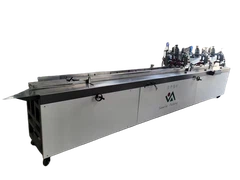
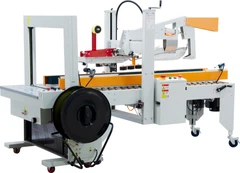
There are various types of sealing and cutting machines available in the market, each with its own features and applications. Here are some common types:
- Heat Sealing and Cutting Machine: This type of machine uses heat to seal and cut the packaging material. It is suitable for a wide range of materials, including plastic films, laminates, and paper.
- Food Packing Sealing and Cutting Machine: Designed specifically for food packaging, this machine ensures the safety and freshness of food products. It often features advanced sealing technologies and hygienic designs.
- Plastic Film Cutting and Sealing Machine: Ideal for plastic film packaging, this machine can cut and seal plastic films with high precision and efficiency. It is commonly used in industries such as food, beverage, and electronics.
Conclusion
Adjusting the feeding speed of a sealing and cutting machine is a critical step to ensure the quality and efficiency of the packaging process. By understanding the factors that affect the feeding speed and following the steps outlined in this blog post, you can optimize the machine's performance and achieve the best results.
If you are in the market for a high-quality sealing and cutting machine or need further assistance with feeding speed adjustment, please feel free to contact us. Our team of experts is ready to provide you with professional advice and support. We look forward to working with you to meet your packaging needs.
References
- Manufacturer's user manuals for sealing and cutting machines.
- Industry standards and guidelines for packaging machinery.
Send Inquiry