


What is the influence of heat shrink film thickness on the packing effect?
Nov 05, 2025
Leave a message
Hey there! As a supplier of heat shrink packing machines, I've been getting a lot of questions lately about the influence of heat shrink film thickness on the packing effect. So, I thought I'd sit down and share my thoughts on this topic.
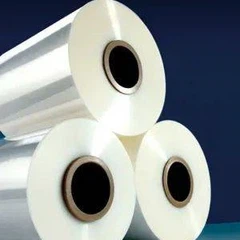
First off, let's talk about what heat shrink film is. Heat shrink film is a plastic film that shrinks when heated. It's commonly used for packaging products because it can conform to the shape of the item being packed, providing a tight and secure fit. The thickness of the heat shrink film can vary, and this variation can have a significant impact on the packing effect.
One of the most obvious effects of film thickness is the level of protection it provides. Thicker heat shrink films generally offer better protection against physical damage, such as scratches, dents, and punctures. This is because they are more durable and less likely to tear or break during handling and transportation. For example, if you're packing fragile items like glassware or electronics, a thicker film can help prevent them from getting damaged.
On the other hand, thinner heat shrink films are more flexible and can conform more easily to the shape of the product. This makes them a good choice for packing irregularly shaped items or products with complex geometries. They also tend to be more transparent, which can enhance the visibility of the product inside the package. For instance, if you're packing food items or consumer goods, a thinner film can allow customers to see the product clearly.


Another important factor to consider is the shrinkage ratio of the film. The shrinkage ratio refers to the percentage by which the film shrinks when heated. Thicker films typically have a lower shrinkage ratio compared to thinner films. This means that they may not shrink as much, which can result in a looser fit around the product. However, a lower shrinkage ratio can also be an advantage in some cases. For example, if you're packing large or bulky items, a thicker film with a lower shrinkage ratio can prevent the film from pulling too tightly and causing the product to deform.
The heat resistance of the film is also related to its thickness. Thicker films generally have better heat resistance, which means they can withstand higher temperatures without melting or deforming. This is important when using a heat shrink packing machine, as the machine generates heat to shrink the film. If the film doesn't have enough heat resistance, it may melt or stick to the product or the machine, resulting in a poor packing effect.
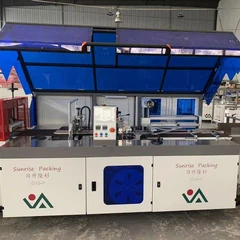
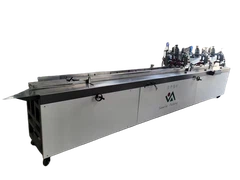
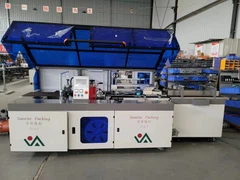
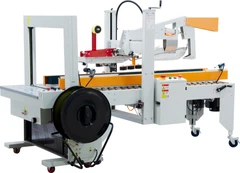
Now, let's talk about how the thickness of the heat shrink film affects the performance of our heat shrink packing machines. At our company, we offer a range of Heat Shrink Wrap Machine and Film Shrink Machine that are designed to work with different thicknesses of heat shrink film.
For thinner films, our machines can provide a more precise and efficient shrinkage process. The lower heat requirements for thinner films mean that the machine can operate at a lower temperature, which can save energy and reduce the risk of overheating the product. Additionally, the flexibility of thinner films allows them to be easily fed through the machine, resulting in a smoother and faster packing process.
However, when using thicker films, our machines are designed to handle the higher heat requirements and the lower shrinkage ratio. They have more powerful heating elements and adjustable settings to ensure that the film shrinks evenly and tightly around the product. We also offer Shrink Wrapping Machine For Book Notebook Shrink Packing that are specifically optimized for packing books and notebooks with thicker films.
In conclusion, the thickness of the heat shrink film has a significant influence on the packing effect. Thicker films offer better protection and heat resistance but may have a lower shrinkage ratio and be less flexible. Thinner films are more flexible and transparent but may provide less protection. When choosing the right film thickness, you need to consider the type of product you're packing, the level of protection required, and the capabilities of your heat shrink packing machine.
If you're still not sure which film thickness is right for your packing needs, or if you're interested in learning more about our heat shrink packing machines, don't hesitate to get in touch. We're here to help you find the best solution for your business. Whether you're a small business owner looking to pack a few products or a large manufacturer with high-volume packing requirements, we have the expertise and the equipment to meet your needs.
Let's start a conversation and see how we can work together to improve your packing process. Contact us today to discuss your options and get a quote.
References
- Packaging Machinery Manufacturers Institute. (2023). Heat Shrink Packaging Handbook.
- Smith, J. (2022). The Science of Heat Shrink Films. Journal of Packaging Science and Technology.
Send Inquiry