




How to tension the belt on a belt conveyor?
Nov 05, 2025
Leave a message
Hey there! As a supplier of belt conveyors, I've seen firsthand how important it is to keep your conveyor belts in top - notch condition. One of the key maintenance tasks is tensioning the belt on a belt conveyor. In this blog, I'm gonna walk you through the steps on how to do it right.
First off, let's understand why belt tensioning is so crucial. A properly tensioned belt ensures smooth operation of the conveyor. If the belt is too loose, it can slip on the pulleys, leading to reduced efficiency, uneven wear, and even product spillage. On the other hand, if the belt is overly tight, it can cause excessive stress on the bearings, motors, and other components, shortening their lifespan and increasing the risk of breakdowns.
Tools You'll Need
Before you start tensioning the belt, gather the necessary tools. You'll typically need a wrench set, a tension gauge (if available), a measuring tape, and a level. These tools will help you make accurate adjustments and ensure everything is in place.
Step 1: Inspect the Conveyor
Before making any adjustments, take a good look at the conveyor. Check for any signs of damage to the belt, such as cuts, tears, or fraying. Also, inspect the pulleys for wear, misalignment, or debris buildup. If you notice any issues, address them before proceeding with the tensioning process.
Step 2: Find the Tensioning Mechanism
Most belt conveyors are equipped with a tensioning mechanism. This can be a screw - type adjuster, a spring - loaded device, or a hydraulic system. Locate the tensioning mechanism on your conveyor. It's usually located at the end of the conveyor, near the tail pulley.
Step 3: Measure the Initial Belt Tension
If you have a tension gauge, use it to measure the initial tension of the belt. Place the gauge on the belt at a point midway between the pulleys. Make sure the gauge is perpendicular to the belt surface. The reading on the gauge will give you an idea of the current tension level.
If you don't have a tension gauge, you can use a simple method to estimate the tension. Lift the belt at a point midway between the pulleys. The belt should deflect about 1/60th of the distance between the pulleys. For example, if the distance between the pulleys is 60 inches, the belt should deflect about 1 inch when lifted.
Step 4: Adjust the Belt Tension
Now it's time to make the adjustments. If your conveyor has a screw - type adjuster, use a wrench to turn the adjustment screws. Turning the screws clockwise will increase the tension, while turning them counterclockwise will decrease it. Make small adjustments and re - measure the tension after each adjustment.
If you have a spring - loaded or hydraulic tensioning system, follow the manufacturer's instructions for making adjustments. These systems are often more complex and may require special tools or procedures.
Step 5: Check for Proper Alignment
While adjusting the tension, it's important to check the alignment of the belt. A misaligned belt can cause uneven wear and premature failure. Use a level to ensure that the pulleys are parallel to each other. You can also use a measuring tape to check the distance between the belt edges and the conveyor frame at several points along the length of the conveyor. If the belt is misaligned, make the necessary adjustments to the pulleys.
Step 6: Test the Conveyor
Once you've made the adjustments, run the conveyor for a few minutes to test the belt tension. Observe the belt as it moves. It should run smoothly without slipping or wandering off to one side. If you notice any issues, stop the conveyor and make further adjustments.

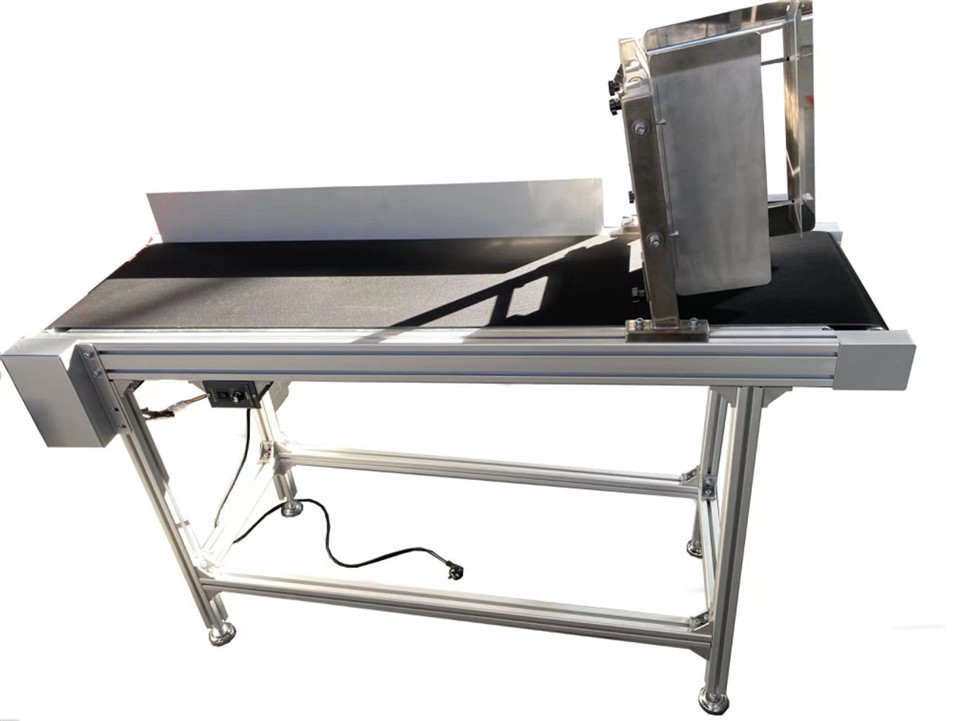
Different Types of Belt Conveyors and Tensioning
There are various types of belt conveyors, each with its own unique characteristics and tensioning requirements. For instance, Rubber Belt Conveyor is widely used in many industries. Rubber belts are flexible and can handle a variety of materials. When tensioning a rubber belt conveyor, you need to be careful not to over - tension it, as this can cause the rubber to stretch and lose its elasticity.
Power Belt Conveyors are designed to move heavy loads over long distances. These conveyors often require higher belt tensions to ensure proper operation. However, you still need to find the right balance to avoid excessive stress on the components.
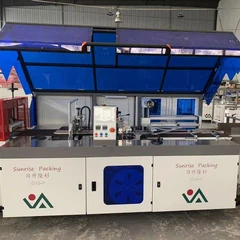
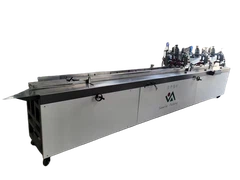
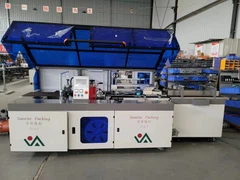
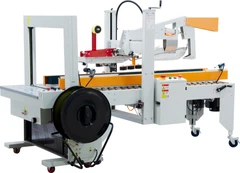
Packing Conveyor is commonly used in the packaging industry. The belt on a packing conveyor needs to be tensioned just right to ensure that the products are transported smoothly and accurately.
Tips for Maintaining Proper Belt Tension
- Regularly inspect the belt tension. Make it a part of your routine maintenance schedule.
- Keep the conveyor clean. Debris buildup on the pulleys can affect the belt tension and cause uneven wear.
- Replace worn or damaged belts and pulleys promptly. Worn components can lead to improper tensioning and other problems.
- Follow the manufacturer's recommendations for belt tension and maintenance. Each conveyor model may have specific requirements.
In conclusion, tensioning the belt on a belt conveyor is a critical maintenance task that can significantly impact the performance and lifespan of your conveyor. By following the steps outlined in this blog and keeping these tips in mind, you can ensure that your conveyor operates smoothly and efficiently.
If you're in the market for a new belt conveyor or need help with belt tensioning or any other conveyor - related issues, don't hesitate to reach out. We're here to assist you with all your conveyor needs. Whether you're looking for a Rubber Belt Conveyor, Power Belt Conveyors, or Packing Conveyor, we've got you covered. Contact us today to start a procurement discussion and find the perfect conveyor solution for your business.
References
- Conveyor Belt Handbook, Industry Standard Publication
- Manufacturer's Manuals for Belt Conveyors
Send Inquiry