




How to install an unpowered conveyor on a sloped surface?
Dec 18, 2025
Leave a message
Installing an unpowered conveyor on a sloped surface can be a practical solution for various industries, especially when there's a need to move materials from a higher to a lower level without the use of external power sources. As a supplier of unpowered conveyors, I've witnessed firsthand the benefits and challenges associated with such installations. In this blog, I'll share a comprehensive guide on how to install an unpowered conveyor on a sloped surface, ensuring a smooth and efficient operation.
Understanding the Basics of Unpowered Conveyors
Unpowered conveyors, also known as gravity conveyors, rely on the force of gravity to move materials along the conveyor path. They are simple in design, cost - effective, and require minimal maintenance. These conveyors are commonly used in warehouses, distribution centers, and manufacturing facilities for tasks such as sorting, packing, and transporting lightweight to medium - weight items.
There are different types of unpowered conveyors, including roller conveyors and skate wheel conveyors. Roller conveyors use cylindrical rollers to support and move the materials, while skate wheel conveyors use small, freely rotating wheels. The choice between the two depends on the type of materials being transported, the weight of the load, and the required speed of movement.
Pre - installation Planning
Before starting the installation process, it's crucial to conduct a thorough site assessment. This involves measuring the slope of the surface, determining the available space, and identifying any potential obstacles. The slope of the surface is a critical factor as it directly affects the speed and efficiency of the conveyor. A steeper slope will result in faster movement of materials, but it may also cause the materials to move too quickly and potentially damage them or cause jams.


Next, you need to calculate the load capacity of the conveyor. Consider the maximum weight and size of the materials that will be transported on the conveyor. This will help you select the appropriate type and size of the conveyor components, such as rollers or skate wheels.
It's also important to plan the layout of the conveyor. Decide on the starting and ending points, as well as any intermediate points where the materials may need to be diverted or sorted. Ensure that there is enough clearance around the conveyor for easy access and maintenance.
Selecting the Right Conveyor
As an unpowered conveyor supplier, I understand the importance of choosing the right conveyor for your specific needs. When installing on a sloped surface, you need to consider factors such as the type of materials, the slope angle, and the required throughput.
For lighter loads and smaller items, a skate wheel conveyor may be a suitable choice. Skate wheel conveyors are flexible, easy to install, and can handle a wide range of materials. They are also relatively inexpensive compared to roller conveyors.
On the other hand, roller conveyors are better suited for heavier loads and larger items. They provide more support and stability, and can handle higher speeds. Roller conveyors come in different sizes and configurations, allowing you to customize the conveyor to meet your specific requirements.
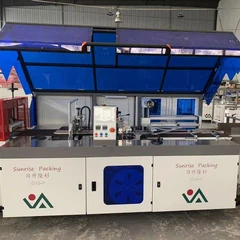
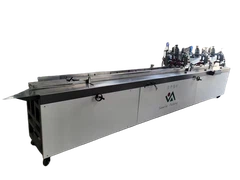
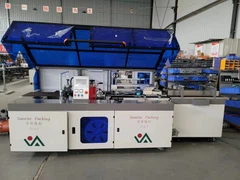
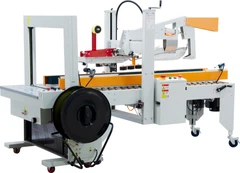
You can explore our range of Packing Conveyor and Rubber Belt Conveyor on our website to find the perfect solution for your needs.
Installation Steps
Step 1: Prepare the Surface
The first step in the installation process is to prepare the sloped surface. Clean the surface to remove any debris, dirt, or oil that may affect the stability of the conveyor. If the surface is uneven, you may need to level it using shims or other leveling devices.
Step 2: Assemble the Conveyor Frame
Assemble the conveyor frame according to the manufacturer's instructions. The frame provides the structure and support for the conveyor components. Make sure all the joints are securely tightened to ensure the stability of the frame.
Step 3: Install the Rollers or Skate Wheels
Once the frame is assembled, install the rollers or skate wheels. For roller conveyors, place the rollers in the roller brackets and secure them in place. Make sure the rollers are evenly spaced and aligned to ensure smooth movement of the materials. For skate wheel conveyors, attach the skate wheels to the frame using the provided hardware.
Step 4: Position the Conveyor on the Sloped Surface
Carefully position the assembled conveyor on the sloped surface. Make sure the conveyor is aligned with the planned layout and that it is level from side to side. Use a spirit level to check the alignment and make any necessary adjustments.
Step 5: Secure the Conveyor
Secure the conveyor to the surface using appropriate fasteners. This will prevent the conveyor from moving or shifting during operation. Depending on the surface material, you may use bolts, screws, or adhesive to secure the conveyor.
Step 6: Test the Conveyor
After the conveyor is installed and secured, conduct a test run. Place some sample materials on the conveyor and observe how they move along the slope. Check for any signs of jams, uneven movement, or other issues. Make any necessary adjustments to the slope, roller spacing, or other components to ensure smooth and efficient operation.
Safety Considerations
When installing and operating an unpowered conveyor on a sloped surface, safety should be a top priority. Here are some safety tips to keep in mind:
- Provide proper training to all personnel who will be working with the conveyor. They should understand how to operate the conveyor safely and how to handle any potential hazards.
- Install safety guards around the conveyor to prevent accidental contact with moving parts. This is especially important in areas where the conveyor is located near walkways or other high - traffic areas.
- Ensure that there are clear warning signs indicating the presence of the conveyor and the potential hazards associated with it.
- Regularly inspect the conveyor for any signs of wear and tear, damage, or loose components. Replace any damaged parts immediately to prevent accidents.
Maintenance and Troubleshooting
Regular maintenance is essential to ensure the long - term performance and reliability of the unpowered conveyor. This includes cleaning the conveyor regularly to remove any dirt, dust, or debris that may accumulate on the rollers or skate wheels. Lubricate the moving parts as recommended by the manufacturer to reduce friction and wear.
If you encounter any problems with the conveyor, such as jams or uneven movement, first check for any obvious causes, such as foreign objects on the conveyor or misaligned components. If the problem persists, consult the manufacturer's troubleshooting guide or contact our technical support team. We, as an unpowered conveyor supplier, are committed to providing you with the best after - sales service and support.
Conclusion
Installing an unpowered conveyor on a sloped surface can be a cost - effective and efficient way to move materials in your facility. By following the steps outlined in this guide, you can ensure a successful installation and a smooth - running conveyor system.
If you're interested in purchasing an unpowered conveyor for your sloped surface application, or if you have any questions about our products or installation services, please don't hesitate to contact us. We're here to help you find the perfect conveyor solution for your specific needs. You can also explore our Rubber Belt Conveyor Factory to learn more about our manufacturing capabilities.
References
- "Conveyor Handbook" by Conveyor Equipment Manufacturers Association (CEMA)
- "Material Handling Handbook" by the Material Handling Institute (MHI)
Send Inquiry