


How to ensure the proper alignment of products during stacking with a packing stacker?
Dec 18, 2025
Leave a message
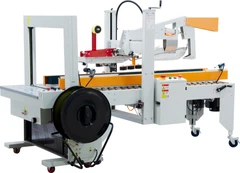
Ensuring the proper alignment of products during stacking with a packing stacker is a crucial aspect of efficient and effective packaging operations. As a supplier of packing stackers, I understand the challenges that businesses face in achieving accurate alignment and the impact it can have on productivity, product quality, and overall operational costs. In this blog post, I will share some insights and best practices on how to ensure the proper alignment of products during stacking with a packing stacker.


Understanding the Importance of Proper Alignment
Proper alignment of products during stacking is essential for several reasons. Firstly, it ensures the stability of the stacked products. When products are aligned correctly, they are less likely to topple or shift during transportation or storage, reducing the risk of damage. Secondly, proper alignment improves the aesthetic appeal of the stacked products, which can be particularly important for consumer goods. A neatly stacked product display can enhance the brand image and attract customers. Thirdly, accurate alignment can increase the efficiency of the packing process. When products are aligned properly, they can be stacked more quickly and with less manual intervention, saving time and labor costs.
Factors Affecting Product Alignment
Several factors can affect the alignment of products during stacking with a packing stacker. Understanding these factors is the first step in ensuring proper alignment.
- Product Characteristics: The shape, size, weight, and surface texture of the products can all impact alignment. Irregularly shaped or lightweight products may be more difficult to align accurately than regular-shaped and heavier products. For example, packing stackers can handle rectangular boxes more easily than spherical objects.
- Stacker Design and Configuration: The design and configuration of the packing stacker play a significant role in product alignment. Features such as conveyor speed, stacking patterns, and the type of gripping mechanism can all affect how well the products are aligned. For instance, a packing stacker with adjustable conveyor speeds can be more precise in aligning products at different production rates.
- Environmental Conditions: Environmental factors such as temperature, humidity, and vibration can also influence product alignment. Extreme temperatures or high humidity levels can cause products to expand or contract, affecting their dimensions and making alignment more challenging. Vibration from nearby machinery can also cause products to shift during stacking.
Best Practices for Ensuring Proper Alignment
Based on my experience as a packing stacker supplier, here are some best practices that can help you ensure the proper alignment of products during stacking:
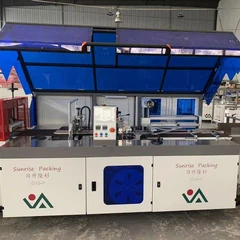
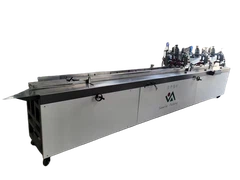
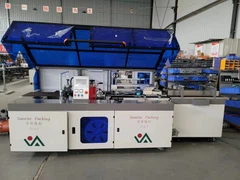
- Choose the Right Packing Stacker: Select a packing stacker that is suitable for your specific products and production requirements. Consider factors such as the size and shape of the products, the desired stacking pattern, and the production volume. For example, if you are stacking books, an Automatic Book Stacker may be the best choice as it is designed specifically for handling books and can ensure accurate alignment.
- Calibrate the Stacker Regularly: Regular calibration of the packing stacker is essential to maintain accurate alignment. This involves checking and adjusting the settings of the stacker, such as the conveyor speed, stacking height, and gripping force. Follow the manufacturer's guidelines for calibration and perform it at regular intervals to ensure consistent performance.
- Use Alignment Guides: Alignment guides can be used to help position the products correctly on the conveyor before stacking. These guides can be adjustable to accommodate different product sizes and shapes. They can be made of materials such as plastic or metal and are typically installed on the sides of the conveyor.
- Optimize the Conveyor System: The conveyor system plays a crucial role in product alignment. Ensure that the conveyor is running smoothly and at the correct speed. Check for any signs of wear or damage and replace any worn parts promptly. Additionally, make sure that the conveyor is properly aligned with the stacking area to prevent any misalignment during the transfer of products.
- Implement Quality Control Measures: Incorporate quality control measures into your packing process to monitor and ensure proper alignment. This can include visual inspections, automated sensors, or weight checks. Regularly inspect the stacked products to identify any alignment issues and take corrective action immediately.
Training and Maintenance
Proper training of the operators is essential for ensuring the proper alignment of products during stacking. Provide comprehensive training on the operation and maintenance of the packing stacker, including how to adjust the settings for different products and stacking patterns. Operators should also be trained to identify and troubleshoot any alignment issues that may arise.
In addition to training, regular maintenance of the packing stacker is crucial to keep it in optimal condition. Follow the manufacturer's maintenance schedule and perform tasks such as lubrication, cleaning, and inspection of the components. Regular maintenance can help prevent breakdowns and ensure consistent performance, which is essential for accurate product alignment.
Conclusion
Ensuring the proper alignment of products during stacking with a packing stacker is a critical aspect of packaging operations. By understanding the factors that affect alignment, implementing best practices, providing proper training, and performing regular maintenance, you can achieve accurate alignment and improve the efficiency, quality, and profitability of your packaging process.
If you are interested in learning more about our Packing Stacker solutions or have any questions about product alignment during stacking, please feel free to contact us. We are here to help you find the best packing stacker for your specific needs and ensure that you achieve optimal results.
References
- Packaging Machinery Manufacturers Institute (PMMI). (Year). Best Practices for Packaging Equipment Operation and Maintenance.
- Smith, J. (Year). Handbook of Packaging Technology. Wiley.
- Jones, A. (Year). Product Alignment in Packaging Processes: A Review. Journal of Packaging Science and Technology.
Send Inquiry