


How to choose the right power belt conveyor for my application?
Nov 25, 2025
Leave a message
When it comes to optimizing your industrial operations, selecting the right power belt conveyor is crucial. As a seasoned power belt conveyors supplier, I understand the complexities involved in this decision. In this blog, I'll guide you through the key factors to consider when choosing a power belt conveyor for your specific application.
Understanding Your Application Requirements
The first step in choosing the right power belt conveyor is to thoroughly understand your application requirements. This includes factors such as the type of material to be conveyed, the distance of conveyance, the required speed, and the environment in which the conveyor will operate.
Material Characteristics
The type of material you need to convey plays a significant role in determining the appropriate conveyor. For example, if you're handling abrasive materials like gravel or sand, you'll need a conveyor with a durable belt that can withstand wear and tear. On the other hand, if you're conveying fragile items such as glassware or electronics, a gentle and smooth conveyor surface is essential to prevent damage.
Conveyance Distance and Speed
The distance over which the material needs to be transported and the required speed of conveyance are also important considerations. Longer distances may require a conveyor with a higher power rating to ensure efficient operation. Similarly, applications that demand high-speed conveyance will need a conveyor capable of achieving the desired speed without compromising on reliability.
Environmental Conditions
The environment in which the conveyor will operate can have a significant impact on its performance and lifespan. If the conveyor will be exposed to extreme temperatures, moisture, or chemicals, you'll need to choose a conveyor that is designed to withstand these conditions. For example, in a food processing facility, a conveyor with a stainless-steel frame and a sanitary belt may be required to meet hygiene standards.
Types of Power Belt Conveyors
There are several types of power belt conveyors available, each with its own unique features and advantages. Understanding the different types will help you make an informed decision based on your specific application requirements.
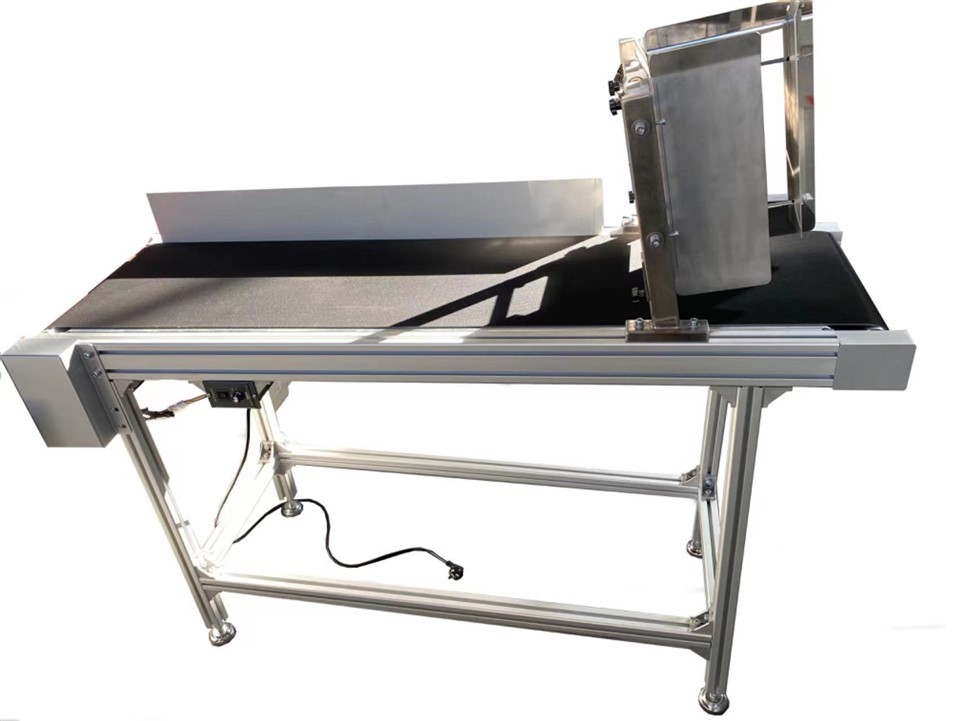

Packing Conveyor
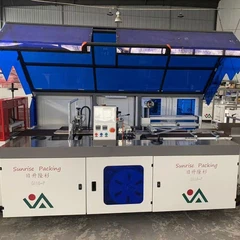
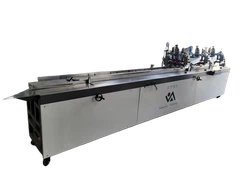
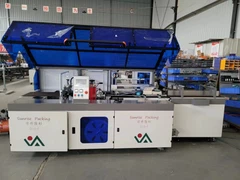
A Packing Conveyor is designed specifically for packing and packaging applications. These conveyors are typically used to transport products from one stage of the packing process to another, such as from a filling machine to a labeling machine. Packing conveyors are available in various sizes and configurations to suit different packing requirements.
Rubber Belt Conveyor
A Rubber Belt Conveyor is one of the most common types of power belt conveyors. Rubber belts are known for their flexibility, durability, and resistance to wear and tear. They are suitable for a wide range of applications, including material handling, food processing, and manufacturing. Rubber belt conveyors can be customized with different belt widths, lengths, and surface textures to meet specific application requirements.
Rubber Belt Conveyor Factory
If you're looking for a high-quality rubber belt conveyor, you may want to consider a Rubber Belt Conveyor Factory. These factories specialize in the production of rubber belt conveyors and can offer customized solutions based on your specific needs. A rubber belt conveyor factory can also provide technical support and after-sales service to ensure the smooth operation of your conveyor.
Key Features to Consider
In addition to understanding your application requirements and the different types of power belt conveyors, there are several key features to consider when choosing a conveyor. These features can have a significant impact on the performance, reliability, and efficiency of the conveyor.
Belt Material
The belt material is one of the most important factors to consider when choosing a power belt conveyor. The belt material should be selected based on the type of material to be conveyed, the environmental conditions, and the required belt properties such as flexibility, durability, and chemical resistance. Common belt materials include rubber, PVC, and fabric.
Belt Width and Length
The belt width and length are also important considerations. The belt width should be selected based on the size of the material to be conveyed and the required throughput. The belt length should be determined based on the distance of conveyance and the layout of the conveyor system.
Drive System
The drive system is responsible for powering the conveyor and determining its speed and torque. There are several types of drive systems available, including electric motors, hydraulic motors, and pneumatic motors. The type of drive system should be selected based on the power requirements of the conveyor, the required speed and torque, and the environmental conditions.
Frame Material
The frame material is another important factor to consider. The frame material should be strong, durable, and resistant to corrosion. Common frame materials include steel, aluminum, and stainless steel.
Safety Features
Safety is always a top priority when it comes to industrial equipment. When choosing a power belt conveyor, make sure it is equipped with the necessary safety features such as emergency stop buttons, guards, and sensors. These features can help prevent accidents and ensure the safety of your employees.
Choosing the Right Supplier
Choosing the right supplier is just as important as choosing the right conveyor. A reliable supplier can provide you with high-quality products, technical support, and after-sales service. Here are some tips to help you choose the right supplier:
Experience and Reputation
Look for a supplier with extensive experience in the industry and a good reputation for providing high-quality products and services. You can check online reviews and testimonials from other customers to get an idea of the supplier's reputation.
Customization Options
Make sure the supplier can offer customized solutions based on your specific application requirements. A supplier that can customize the conveyor to meet your exact needs will be able to provide you with a more efficient and cost-effective solution.
Technical Support
Choose a supplier that offers technical support and after-sales service. A supplier that can provide you with technical assistance and troubleshooting support will be able to help you keep your conveyor running smoothly and minimize downtime.
Pricing
While pricing is an important factor, it should not be the only consideration. Look for a supplier that offers a good balance between price and quality. A supplier that offers high-quality products at a reasonable price will be able to provide you with the best value for your money.
Conclusion
Choosing the right power belt conveyor for your application requires careful consideration of several factors, including your application requirements, the different types of conveyors available, and the key features to look for. By following the tips outlined in this blog, you can make an informed decision and choose a conveyor that will meet your needs and provide you with reliable and efficient operation for years to come.
If you have any questions or need further assistance in choosing the right power belt conveyor for your application, please don't hesitate to contact us. We're here to help you find the perfect conveyor solution for your business.
References
- Conveyor Equipment Manufacturers Association (CEMA). Conveyor Design Manual.
- ASME B20.1 - Safety Standard for Conveyors and Related Equipment.
- OSHA - Occupational Safety and Health Administration. Conveyor Safety Guidelines.
Send Inquiry