



How to install conveyor belt equipment?
Nov 25, 2025
Leave a message
Hey there! As a supplier of conveyor belt equipment, I'm super stoked to share with you how to install this nifty gear. Whether you're setting up a small - scale operation or a large - scale industrial plant, the process can seem a bit daunting at first, but don't worry, I've got your back.
Pre - installation Preparations
Before you even start unpacking the conveyor belt equipment, you need to do some groundwork. First off, pick the right location. The area should be flat, stable, and free from any potential hazards like excessive heat, chemicals, or sharp objects. You also want to make sure there's enough space for the conveyor to operate without any obstructions. Think about the flow of materials and how the conveyor will fit into your existing production line.
Next, gather all the necessary tools. You'll typically need wrenches, screwdrivers, pliers, and maybe a torque wrench for those precise tightening jobs. It's also a good idea to have a measuring tape and a level handy to ensure everything is installed straight and true.
Now, take a good look at the conveyor belt equipment you've received. Check for any damage during transit. Make sure all the parts are there according to the packing list. If you notice anything amiss, get in touch with us right away. We're here to make sure you have everything you need for a smooth installation.
Assembling the Frame
The frame is the backbone of the conveyor belt system. Start by laying out all the frame sections on the floor. It's like building a giant puzzle. Connect the sections using the bolts and nuts provided. Use your wrenches to tighten them up, but don't go overboard. You want them snug, but not so tight that you strip the threads.
As you assemble the frame, use the level to make sure it's perfectly horizontal. A tilted frame can cause all sorts of problems down the line, like uneven belt wear and material spillage. Once the main frame is together, attach any support legs or brackets. These will help keep the conveyor stable during operation.
Installing the Conveyor Belt
Now comes the fun part - installing the conveyor belt. First, you need to thread the belt through the rollers and pulleys. This can be a bit tricky, especially for longer conveyors. You might need a couple of extra hands to guide the belt into place.
Make sure the belt is centered on the rollers. Any misalignment can lead to premature wear and tear. You can use some markings on the frame to help you position the belt correctly. Once the belt is in place, adjust the tension. You don't want it too loose or too tight. A loose belt can slip, while an overly tight belt can put too much stress on the motor and other components.
Mounting the Motors and Drives
The motors and drives are what make the conveyor belt move. Mount them securely to the frame according to the installation instructions. Connect the electrical wiring carefully. If you're not familiar with electrical work, it's best to hire a professional electrician. Safety first, folks!
Once the motors are mounted, test them to make sure they're working properly. You can do a quick test run without any load on the conveyor. Listen for any strange noises or vibrations. If you notice anything off, stop the motor immediately and check for problems.
Adding Accessories
Depending on your needs, you might want to add some accessories to your conveyor belt equipment. For example, you could install side guards to prevent materials from falling off the sides. There are also sensors that can detect blockages or monitor the speed of the conveyor.
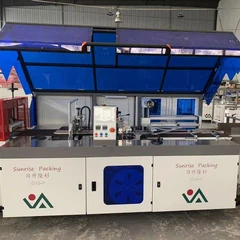
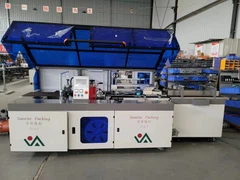
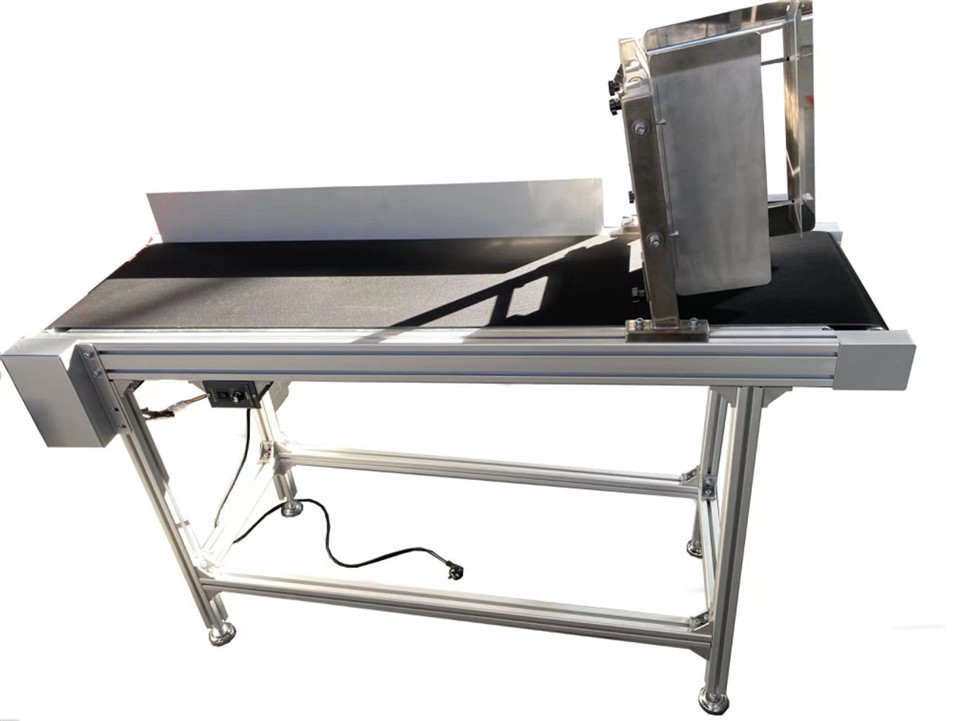
If you're dealing with packing operations, you might be interested in our Packing Conveyor. It's designed to handle the specific requirements of packing lines, like gentle product handling and precise positioning.
Final Checks and Testing
After everything is installed, it's time for a final walk - through. Check all the bolts and nuts again to make sure they're still tight. Look for any loose wires or connections. Make sure all the safety guards are in place.
Now, it's time for a full - scale test. Load some materials onto the conveyor and watch it in action. Observe how the belt moves, how the materials are transported, and if there are any issues with spillage or jams. If you encounter any problems, don't hesitate to reach out to us. We have a team of experts ready to help you troubleshoot.

Maintenance Tips
Once your conveyor belt equipment is up and running, regular maintenance is key. Keep the belt clean to prevent debris from building up. Check the tension regularly and adjust it as needed. Lubricate the moving parts according to the manufacturer's recommendations.
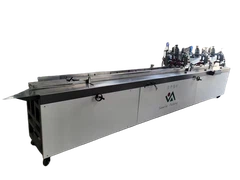
If you're in the market for high - quality Conveyor Belt Equipment, look no further. We've got a wide range of products to suit different applications. And if you need a conveyor that can handle high - speed operations, our Power Belt Conveyors are a great choice.
We're always here to assist you with any questions you might have about installation, operation, or maintenance. If you're interested in purchasing our conveyor belt equipment or have any custom requirements, don't hesitate to get in touch. We're eager to have a chat with you and help you find the perfect solution for your business.
References
- General guidelines on conveyor belt installation from industry best practices.
- Manufacturer's installation manuals for conveyor belt equipment.
Send Inquiry