


How to adjust the sealing pressure of a plastic film sealer?
Jan 06, 2026
Leave a message
Adjusting the sealing pressure of a plastic film sealer is a critical task that directly affects the quality and efficiency of your packaging operations. As a reputable plastic film sealer supplier, we understand the importance of getting this adjustment right. In this blog post, we'll provide you with a comprehensive guide on how to adjust the sealing pressure of a plastic film sealer effectively.
Why Sealing Pressure Matters
The sealing pressure plays a pivotal role in creating a strong and reliable seal on plastic films. Insufficient pressure can result in weak seals that may leak or open easily, compromising the integrity of your packaged products. On the other hand, excessive pressure can cause the plastic film to tear or deform, leading to wasted materials and potential production issues. By adjusting the sealing pressure to the appropriate level, you can ensure consistent, high-quality seals that meet your specific packaging requirements.
Factors Affecting Sealing Pressure
Before you start adjusting the sealing pressure, it's essential to understand the factors that can influence it. These factors include:
- Film Thickness: Thicker films typically require higher sealing pressures to achieve a proper seal. Make sure to check the manufacturer's specifications for the recommended pressure range based on the film thickness you're using.
- Film Material: Different types of plastic films have varying melting points and sealing characteristics. For example, polyethylene films may require different sealing pressures compared to polypropylene films. Consider the film material when adjusting the pressure.
- Sealing Temperature: The sealing temperature affects the plastic film's viscosity and flowability, which in turn impacts the sealing pressure needed. Higher temperatures generally require lower pressures, while lower temperatures may necessitate higher pressures.
- Sealing Speed: Faster sealing speeds may require higher pressures to ensure sufficient contact time between the sealing jaws and the film. Slower speeds may allow for lower pressures.
Step-by-Step Guide to Adjusting Sealing Pressure
Now that you understand the importance of sealing pressure and the factors that affect it, let's walk through the step-by-step process of adjusting the sealing pressure on a plastic film sealer.


- Prepare the Sealer: Before making any adjustments, ensure that the sealer is turned off and unplugged for safety. Clean the sealing jaws to remove any debris or residue that could affect the sealing process.
- Locate the Pressure Adjustment Mechanism: Different models of plastic film sealers may have different pressure adjustment mechanisms. Common types include hand wheels, knobs, or screws. Refer to the sealer's user manual to locate the pressure adjustment mechanism specific to your model.
- Set the Initial Pressure: Start by setting the pressure to a medium level. This will serve as a baseline for further adjustments. If you're using a new type of film or packaging product, it's a good idea to start with a conservative pressure setting and gradually increase it as needed.
- Test the Seal: Once you've set the initial pressure, turn on the sealer and run a test seal on a sample piece of plastic film. Make sure to use the same film material, thickness, temperature, and speed that you'll be using in your actual production.
- Inspect the Seal: After the test seal is complete, carefully inspect the seal for quality. Check for signs of weakness, such as gaps, bubbles, or uneven sealing. If the seal is too weak, increase the pressure slightly and repeat the test. If the seal is too strong or the film is damaged, decrease the pressure.
- Make Gradual Adjustments: When making adjustments to the sealing pressure, it's important to make small, incremental changes. This allows you to fine-tune the pressure and achieve the optimal seal without over - correcting. After each adjustment, run another test seal and inspect the results.
- Document the Settings: Once you've found the optimal sealing pressure for your specific application, document the settings for future reference. This will help you maintain consistency in your sealing process and make it easier to troubleshoot any issues that may arise.
Using Our Products for Optimal Sealing
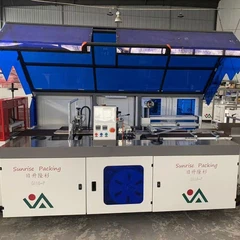
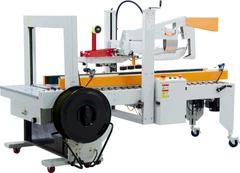
As a plastic film sealer supplier, we offer a wide range of high - quality sealing machines to meet your diverse packaging needs. Our Book Sealing Plastic Packing Machine is specifically designed for sealing books in plastic film, providing a professional and secure packaging solution. It allows for easy adjustment of sealing pressure, ensuring reliable seals for various book sizes and film types.
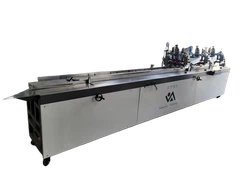
Our Sealing Machine for Plastic Packaging is a versatile option suitable for a variety of plastic packaging applications. With adjustable sealing pressure and temperature controls, it can handle different film materials and thicknesses, giving you the flexibility to achieve the perfect seal every time.
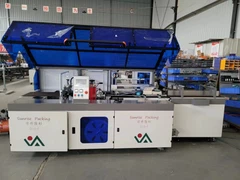
For those looking for a solution for folding and wrapping transparent films, our Transparent Film Fold Wrapping Machine is an excellent choice. It comes equipped with features that allow for precise adjustment of sealing pressure, ensuring that your products are wrapped neatly and securely.
Troubleshooting Common Sealing Pressure Issues
Sometimes, you may encounter issues with sealing pressure even after following the adjustment process. Here are some common problems and their possible solutions:
- Weak Seals: If you're getting weak seals, the pressure may be too low. Gradually increase the pressure and run test seals until the seals are strong. Also, check the sealing temperature; it may be too low, causing the film not to melt properly.
- Torn or Deformed Film: Excessive pressure is likely the cause of a torn or deformed film. Decrease the pressure gradually and test until the film is sealed without damage.
- Inconsistent Seals: Inconsistent seals can be due to uneven pressure distribution across the sealing jaws. Check if the sealing jaws are properly aligned and clean. You may need to calibrate the pressure adjustment mechanism to ensure even pressure.
Conclusion
Properly adjusting the sealing pressure of a plastic film sealer is essential for achieving high - quality seals and optimizing your packaging operations. By understanding the factors that affect sealing pressure and following the step - by - step guide provided in this blog post, you can ensure that your plastic film sealer is delivering reliable and consistent results.
If you're in the market for a new plastic film sealer or need further assistance with pressure adjustment and maintenance, we're here to help. As a leading plastic film sealer supplier, we have the expertise and products to meet your unique packaging needs. Contact us today to discuss your requirements and explore our range of sealing machines.
References
- Smith, J. (2020). Plastic Packaging Machinery Handbook. New York: PackTech Press.
- Brown, A. (2019). Sealing Techniques for Plastic Films. London: PolyPack Publications.
Send Inquiry