


How to reduce the energy consumption of a heat shrink wrap machine?
Jan 06, 2026
Leave a message
As a supplier of heat shrink wrap machines, I understand the importance of energy efficiency in today's industrial landscape. High energy consumption not only increases operational costs but also has a significant environmental impact. In this blog, I will share some effective strategies on how to reduce the energy consumption of a heat shrink wrap machine.
1. Optimize Machine Settings
The first step in reducing energy consumption is to optimize the machine settings according to the specific packaging requirements. Each heat shrink wrap machine has adjustable parameters such as temperature, conveyor speed, and shrink time. By fine - tuning these settings, you can ensure that the machine uses only the necessary amount of energy to achieve the desired packaging results.
- Temperature Control: The temperature setting is crucial for heat shrink wrapping. Excessively high temperatures not only waste energy but can also damage the packaging material or the product inside. Conduct tests to determine the minimum temperature required to shrink the film properly. For example, if you are using a PVC shrink film, the optimal shrinking temperature is usually around 110 - 130°C. By setting the temperature precisely within this range, you can save a significant amount of energy.
- Conveyor Speed: Adjusting the conveyor speed can also contribute to energy savings. A slower conveyor speed may result in over - heating and wasted energy, while a too - fast speed may lead to incomplete shrinking. Find the right balance based on the size and type of products being packaged. For smaller items, a relatively faster conveyor speed can be used, while larger items may require a slower speed for proper shrinking.
2. Upgrade to Energy - Efficient Components
Another effective way to reduce energy consumption is to upgrade the machine's components to more energy - efficient models.
- Heating Elements: The heating elements are the main energy consumers in a heat shrink wrap machine. Traditional heating elements, such as nichrome wires, can be replaced with more advanced ceramic or infrared heating elements. Ceramic heating elements have a higher energy conversion efficiency, which means they can convert more electrical energy into heat energy. Infrared heating elements, on the other hand, can directly heat the shrink film, reducing the overall energy required for the shrinking process.
- Motors: The motors that drive the conveyor and other moving parts of the machine also consume a significant amount of energy. Upgrade to energy - efficient motors, such as high - efficiency induction motors or servo motors. These motors are designed to consume less power while providing the same or better performance. For instance, servo motors can adjust their speed and torque according to the load, resulting in reduced energy consumption during idle or low - load periods.
3. Maintenance and Regular Checks
Proper maintenance and regular checks of the heat shrink wrap machine are essential for energy efficiency.
- Cleaning: Regularly clean the heating elements, conveyor belts, and other parts of the machine. Dust and debris can accumulate on the heating elements, reducing their heat transfer efficiency and increasing energy consumption. Cleaning the conveyor belts also ensures smooth operation, which can prevent the machine from working harder than necessary.
- Inspection of Seals and Gaskets: Check the seals and gaskets around the heat chamber regularly. Leaky seals can cause heat to escape, forcing the machine to use more energy to maintain the required temperature. Replace any damaged seals or gaskets promptly to prevent energy loss.
- Calibration: Periodically calibrate the machine to ensure that all settings are accurate. Incorrect calibration can lead to over - heating or under - heating, both of which result in energy waste.
4. Use of Insulation
Insulating the heat chamber of the heat shrink wrap machine can significantly reduce energy loss.
- Insulation Materials: Apply high - quality insulation materials, such as fiberglass or ceramic fiber insulation, around the heat chamber. These materials have low thermal conductivity, which means they can effectively prevent heat from escaping. The insulation can be installed on the walls, ceiling, and floor of the heat chamber.
- Sealing the Chamber: In addition to insulating the chamber, make sure it is well - sealed. Use door gaskets and other sealing mechanisms to prevent hot air from leaking out. A well - sealed heat chamber can maintain a more stable temperature, reducing the need for the heating elements to work continuously.
5. Intelligent Control Systems
Implementing intelligent control systems can further optimize the energy consumption of the heat shrink wrap machine.
- Sensor - Based Control: Install sensors in the machine to detect the presence of products and adjust the heating and conveyor systems accordingly. For example, if no products are detected on the conveyor, the heating elements can be automatically turned off or set to a low - power standby mode. This can prevent unnecessary energy consumption during idle periods.
- Programmable Logic Controllers (PLCs): PLCs can be used to program the machine to follow specific operating sequences and adjust settings based on different product types and packaging requirements. By using PLCs, you can create customized energy - saving programs for different production scenarios.
Examples of Energy - Saving Heat Shrink Wrap Machines
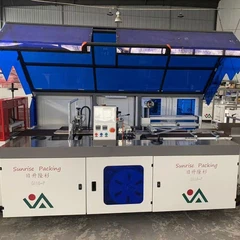
At our company, we offer a range of energy - efficient heat shrink wrap machines. For example, our Mobile Phone Packaging Box Heat Shrink Packaging Machine is designed with advanced energy - saving features. It uses infrared heating elements for precise and efficient heating, and its intelligent control system adjusts the temperature and conveyor speed according to the size and quantity of mobile phone packaging boxes.
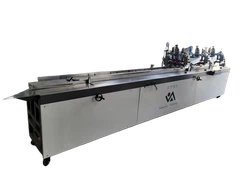
Our Heat Shrink Packing Machine is another great option for various packaging applications. It is equipped with high - efficiency motors and well - insulated heat chambers to minimize energy consumption.
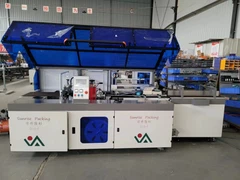
If you are looking for a fully automated solution, our Automatic Heat Shrink Packaging Machine is the ideal choice. It combines all the energy - saving technologies mentioned above, including intelligent control systems and energy - efficient components, to provide a cost - effective and environmentally friendly packaging solution.
Conclusion
Reducing the energy consumption of a heat shrink wrap machine is not only beneficial for your bottom line but also for the environment. By optimizing machine settings, upgrading components, performing regular maintenance, using insulation, and implementing intelligent control systems, you can significantly lower the energy usage of your heat shrink wrap machine.


If you are interested in learning more about our energy - efficient heat shrink wrap machines or have any questions about reducing energy consumption in your packaging process, please feel free to contact us. We are committed to providing you with the best packaging solutions that meet your energy - saving needs.
References
- "Energy Efficiency in Industrial Heating Processes" - Industrial Heating Magazine
- "Handbook of Packaging Machinery" - John Wiley & Sons
Send Inquiry