


What is the maximum slope a stacker can climb?
Jan 06, 2026
Leave a message
So, you're probably wondering what's the maximum slope a stacker can climb. Well, I'm here as a stacker supplier to break it down for you in a way that's easy to understand.
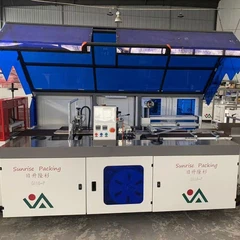
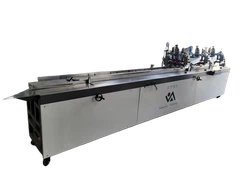
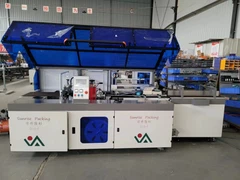
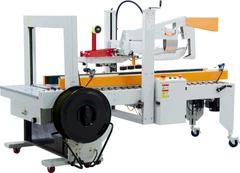
Let's first talk about what a stacker is. A stacker is a really useful piece of equipment in many industries. It's used to stack things up neatly and efficiently. Whether it's in a warehouse for pallets or in a library for books, stackers play a crucial role. For example, our Automatic Book Stacker is a great tool for libraries to keep their books organized. It can handle a large number of books quickly and stack them in an orderly manner. And our Packing Stacker is perfect for packing plants, helping to stack boxes and packages with ease.
Now, back to the main question: the maximum slope a stacker can climb. There are a bunch of factors that come into play here.
One of the most important factors is the power of the stacker's motor. A more powerful motor can generally handle steeper slopes. Think of it like a car. A high - powered sports car can climb a hill much easier than a small, under - powered one. In the case of stackers, the motor provides the force needed to move the stacker up the slope while carrying its load. If the motor isn't powerful enough, it might struggle or even fail to climb a slope.


The weight and distribution of the load also matter a lot. If a stacker is carrying a heavy load, it will have a harder time climbing a slope. And if the load isn't evenly distributed, it can cause the stacker to become unstable. For instance, if all the weight is at the front of the stacker, it might tip forward when trying to climb a slope. So, it's really important to make sure the load is properly balanced.
The type of wheels and the surface condition are also key. Stackers usually have different types of wheels, like rubber or polyurethane. Rubber wheels generally provide better traction on most surfaces, which is great for climbing slopes. But the surface itself matters too. A smooth, clean surface will allow the stacker to climb more easily than a rough, dirty, or slippery surface. For example, a stacker might have no problem climbing a 10 - degree slope on a clean concrete floor, but on a wet or oily surface, it could struggle even on a much shallower slope.
The design of the stacker also affects its climbing ability. Some stackers are designed with a lower center of gravity, which makes them more stable when climbing slopes. Others might have special features like anti - slip mechanisms or better suspension systems. These design elements can give the stacker an edge when it comes to tackling slopes.
Now, let's get into some numbers. In general, most standard stackers can handle slopes of up to about 5 - 8 degrees without too many issues. These are the stackers you'll commonly see in warehouses and small - to - medium - sized operations. They're designed for relatively flat surfaces and light - to - medium loads.
However, if you need a stacker for a more challenging environment, like a hilly outdoor area or a facility with ramps, there are heavy - duty stackers available. These heavy - duty stackers can sometimes climb slopes of up to 15 degrees or even more. But keep in mind that these are usually more expensive and might require more maintenance.
It's also important to note that safety should always be the top priority. Even if a stacker is technically capable of climbing a certain slope, it doesn't mean it's safe to do so all the time. You need to consider other factors like the speed of the stacker, the experience of the operator, and the overall working conditions. If the slope is too steep or the conditions aren't right, there's a risk of the stacker tipping over, which can cause damage to the equipment, the load, and even injure the operator.
When choosing a stacker for a specific slope, you should also think about future needs. Maybe your current operation only requires a stacker to handle a 5 - degree slope, but in a few years, you might expand and need to deal with steeper slopes. In that case, it might be a good idea to invest in a more powerful and versatile stacker right from the start.
So, as a stacker supplier, we understand that every customer's needs are different. That's why we offer a wide range of stackers with different capabilities. Whether you need a simple, low - cost stacker for a small operation or a heavy - duty one for a more challenging environment, we've got you covered.
If you're in the market for a stacker and want to know more about which one is right for your slope requirements, don't hesitate to reach out. We can provide you with detailed information, product specifications, and even arrange for a demonstration. It's important to make an informed decision when purchasing a stacker, because it's an investment that can make a big difference in your operations.
In conclusion, the maximum slope a stacker can climb depends on many factors, including motor power, load weight and distribution, wheel type, surface condition, and stacker design. By understanding these factors and working with a reliable supplier like us, you can choose the right stacker for your needs and ensure its safe and efficient operation. So, if you're interested in our products and want to discuss your requirements further, just drop us a line and we'll start the conversation. We're looking forward to helping you find the perfect stacker for your business.
References:
- Industry reports on material handling equipment
- Manufacturer's specifications of different stackers
Send Inquiry