


Shrink Wrapping Machine: The Complete Buying Guide For 2026
Jul 22, 2026
Leave a message
If you are in the market for a shrink wrapping machine, you already know that the right equipment can streamline your packaging line, reduce material waste, and protect your products during transit. But with dozens of configurations, film types, and sealing mechanisms on the market, choosing the wrong machine can cost you tens of thousands of dollars in lost productivity and damaged goods.
This guide walks you through everything you need to know before investing in a shrink wrapping system-from understanding the core technologies to evaluating throughput requirements, film compatibility, and total cost of ownership. Whether you are packaging food products, electronics, cosmetics, or industrial components, this guide will help you make an informed decision.
What Is a Shrink Wrapping Machine?
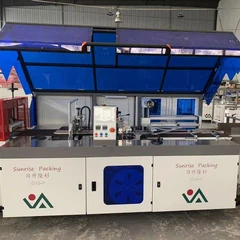
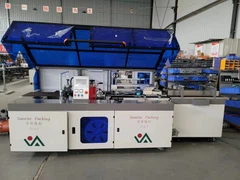
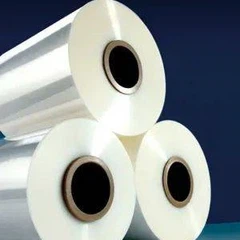
A shrink wrapping machine applies heat to shrink film tightly around a product or group of products, creating a protective, tamper-evident seal. The process involves three fundamental steps: wrapping the product in shrink film, sealing the film edges, and passing the sealed package through a heat tunnel that shrinks the film to conform to the product's shape.
Shrink wrapping differs from stretch wrapping in a critical way: shrink film contracts when heated, while stretch film relies on elastic tension. This makes shrink wrapping ideal for retail-ready packaging where visual appeal and product protection are equally important.
Types of Shrink Wrapping Machines
Understanding the different machine types is the first step in selecting the right equipment for your production line. Here is a breakdown of the main categories:
1. L-Bar Sealers
L-bar sealers use a single sealing bar shaped like an inverted L to seal two sides of the film in one motion. The product is placed between two layers of center-folded film, and the L-bar cuts and seals the film around it. L-bar sealers are the workhorse of mid-volume packaging operations because they offer an excellent balance of speed, simplicity, and cost.
2. Side Sealers
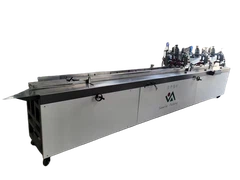
Side sealers create a continuous seal along the side of the package as the product moves through the machine on a conveyor. This design eliminates the need for a cross-seal on every cycle, allowing for higher throughput. Side sealers are ideal for long or irregularly shaped products and high-speed production lines.
3. Sleeve Wrappers
Sleeve wrappers wrap a band of film around a product or collation of products, leaving the two open ends uncovered. This is commonly used for multipacks of bottles, cans, or boxes where the consumer needs to see part of the product. Sleeve wrappers are popular in the beverage and dairy industries.
4. Automatic vs. Semi-Automatic Systems
|
Feature |
Semi-Automatic |
Fully Automatic |
|
Throughput |
8-15 packs/min |
30-60+ packs/min |
|
Operator involvement |
Manual product loading |
Conveyor-fed, minimal labor |
|
Footprint |
Compact, 2-4 m² |
Larger, 6-15 m² |
|
Price range |
$3,000 - $15,000 |
$15,000 - $80,000+ |
|
Best for |
Small to mid-volume |
High-volume production lines |
|
Film change time |
10-15 minutes |
5-8 minutes with auto-splicing |
How to Choose the Right Shrink Wrapping Machine: 6 Key Factors
Factor 1: Product Dimensions and Shape
The maximum product size your machine can handle is the most fundamental specification. Measure your largest product including any trays or pads. Add at least 50mm clearance on each side for film flow. Irregularly shaped products may require a side sealer rather than an L-bar sealer for consistent seals.
Factor 2: Production Volume and Throughput
Calculate your required packs per minute based on your daily output target. A general rule: if you need more than 15 packs per minute consistently, invest in an automatic system. Running a semi-automatic machine beyond its rated capacity leads to seal failures and operator fatigue.
Factor 3: Film Type and Thickness
The three most common shrink films are PVC, POF (polyolefin), and PE (polyethylene). Each has different shrink temperatures, strengths, and regulatory considerations:
PVC: Low cost, good clarity, but releases chlorine gas when heated-not suitable for food contact
POF: Food-safe, high clarity, strong seal-the most versatile choice for retail packaging
PE: High strength, puncture-resistant-ideal for heavy or sharp-edged products and multipacks
Ensure your machine's heat tunnel can reach the required temperature range for your chosen film (typically 150°C to 220°C).
Factor 4: Seal Quality Requirements
If your products require a tamper-evident seal or will undergo rough shipping conditions, seal integrity is non-negotiable. Look for machines with adjustable seal time, temperature, and pressure controls. Hot-knife sealing is preferred for PE film, while impulse sealing works best for POF and PVC.
Factor 5: Power and Utility Requirements
Shrink machines draw significant electrical power-typically 3-phase, 380V/220V. Check that your facility can supply the required amperage. Also consider compressed air requirements for pneumatic systems (typically 0.4-0.8 MPa).
Factor 6: Integration with Existing Lines
If you are adding a shrink wrapper to an existing packaging line, consider infeed and discharge conveyor heights, product transfer methods, and whether you need a flighted or belt infeed. Incompatible conveyor heights between machines create bottlenecks and product jams.
Common Mistakes to Avoid When Buying a Shrink Wrapper
1,Buying based on price alone - the cheapest machine often costs more in repairs and film waste over the first year.
2,Underestimating throughput needs - a machine that barely meets your current volume leaves no room for growth.
3,Ignoring film compatibility - not all machines work well with all film types; verify before purchasing.
4,Overlooking after-sales support - replacement parts and technical support availability can make or break your investment.
5,Neglecting to test with actual products - always request a video test or sample run with your specific products before finalizing.
Why Choose Sunrise(Tianjin) packaging Machinery CO.,LTD for Your Shrink Wrapping Needs
At Sunrise(Tianjin) packaging Machinery CO.,LTD., we have been manufacturing shrink wrapping equipment for over 15 years. Our machines are built with premium components and undergo rigorous quality testing before shipment. We offer:
Complete range from semi-automatic L-bar sealers to fully automatic side seal systems
Custom configurations for non-standard product sizes and shapes
Free video testing with your products before order confirmation
Comprehensive 2-year warranty and lifetime technical support
Worldwide shipping with installation and training services available
CE-certified machines meeting international safety standards

contact us
Contact us today for a free consultation and product testing. Our engineering team will help you select the optimal machine configuration for your specific application.
FAQ
01.What is the difference between shrink wrap and stretch wrap?
02.How long does a shrink wrapping machine last?
03.Can I use the same machine for different film types?
04.What warranty should I expect?
05.Do you offer machine customization?
Send Inquiry