


When should I choose a belt conveyor over a roller conveyor?
Jul 14, 2025
Leave a message
When it comes to moving stuff around in a factory, warehouse, or any industrial setting, you've got a couple of popular options: belt conveyors and roller conveyors. I'm a supplier of belt conveyors, and I often get asked, "When should I choose a belt conveyor over a roller conveyor?" Well, let's dig into that.
1. The Basics: Belt Conveyors vs. Roller Conveyors
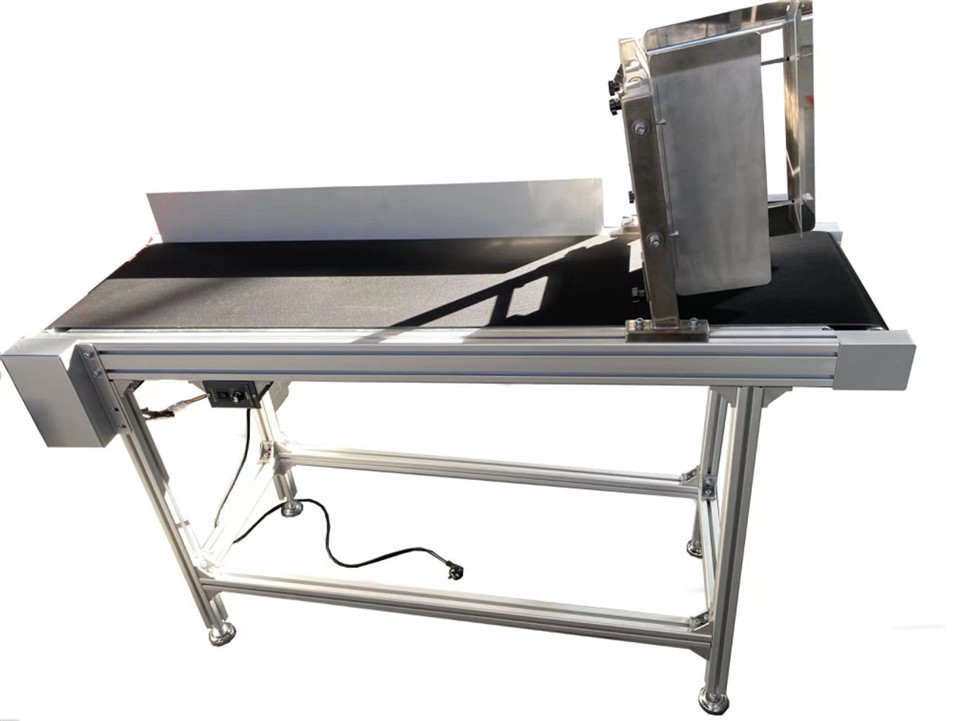
First off, let's quickly go over what each of these conveyors is. A belt conveyor, as the name suggests, uses a continuous belt to move items. The belt can be made of different materials like rubber, PVC, or fabric, and it runs on pulleys. On the other hand, a roller conveyor consists of a series of rollers that rotate, allowing items to move along them.
2. When You Need Gentle Handling
One big reason to choose a belt conveyor is when you're dealing with delicate or irregularly shaped items. Imagine you're in a chocolate factory, and you're moving freshly made chocolate bars. These bars are soft and can easily get damaged. A belt conveyor provides a smooth and continuous surface, so the chocolates won't get jostled around. With a roller conveyor, there's a bit of a gap between each roller, which could cause the chocolates to fall through or get nicked.
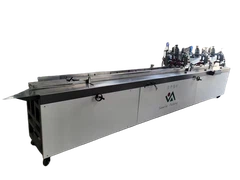
Another example is in the electronics industry. When moving printed circuit boards (PCBs), you don't want any sudden movements or vibrations that could damage the components on the boards. A belt conveyor, like our Rubber Belt Conveyor, offers a stable and gentle ride for these sensitive items.
3. Handling Small or Lightweight Items
If you're working with small or lightweight items, a belt conveyor is often the better choice. Think about a pharmaceutical factory where they're moving tiny pills or capsules. These little items could easily fall through the gaps between the rollers on a roller conveyor. A belt conveyor, however, provides a solid surface that keeps the pills in place as they move along the line.
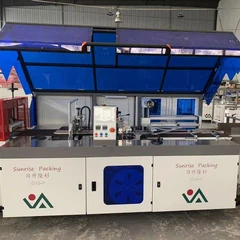
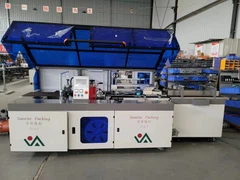
Our Packing Conveyor is great for this kind of application. It can handle small items with ease, and you can customize the belt speed to match the packing process.
4. Inclined or Declined Conveying
When you need to move items up or down an incline or decline, a belt conveyor has an edge. The friction between the belt and the items helps to keep them from sliding back. For example, in a mining operation, you might need to move ore from a lower level to a higher one. A belt conveyor can do this efficiently, even at steeper angles.
A roller conveyor, on the other hand, might struggle with inclined or declined conveying. The items could roll backward on the rollers, especially if the incline is too steep. With a belt conveyor, you can adjust the belt's texture and angle to ensure that the items are moved safely and steadily.
5. Cleaning and Sanitation
In industries where cleanliness is crucial, like food processing or pharmaceuticals, a belt conveyor is often preferred. The smooth surface of a belt is easier to clean than a roller conveyor, which has multiple rollers and crevices where dirt and debris can accumulate.
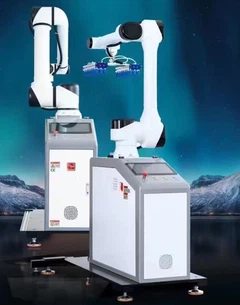
You can easily wipe down a belt conveyor, and some belts are even designed to be resistant to chemicals and bacteria. This makes it easier to maintain a hygienic environment, which is essential for these industries. Our Unpower Convevor can be a great option for areas where sanitation is a top priority.
6. Continuous Operation
If you need a conveyor system that can run continuously without much downtime, a belt conveyor is a good choice. Belt conveyors are generally more reliable and have fewer moving parts compared to roller conveyors. This means there's less chance of mechanical failure, and you can keep your production line running smoothly.
Roller conveyors, on the other hand, have more components that can wear out or break, such as bearings and rollers themselves. This can lead to more frequent maintenance and downtime.
7. Noise Levels
In a factory setting, noise can be a big issue. Belt conveyors tend to be quieter than roller conveyors. The smooth movement of the belt doesn't create as much noise as the rolling of the rollers. This can make the work environment more pleasant for your employees and reduce the need for excessive noise - reducing measures.

When a Roller Conveyor Might Be Better
Of course, there are situations where a roller conveyor is the better option. If you're moving heavy, large, or rigid items, a roller conveyor can handle the weight and provide a more efficient way to move them. For example, in a steel mill, moving large steel beams is much easier on a roller conveyor because the beams can roll along the rollers without much resistance.
Making the Decision
So, when should you choose a belt conveyor over a roller conveyor? It really depends on your specific needs. If you're dealing with delicate, small, or lightweight items, need to move items on an incline or decline, require easy cleaning, continuous operation, or a quiet environment, a belt conveyor is likely the way to go.
As a belt conveyor supplier, I can help you figure out the best conveyor system for your business. Whether you need a custom - designed conveyor or just some advice on which type to choose, I'm here to assist. If you're interested in learning more about our belt conveyors or want to discuss your specific requirements, feel free to reach out. We can work together to find the perfect solution for your operation.
References
- "Conveyor Systems Handbook" by Conveyor Equipment Manufacturers Association
- Industry research reports on material handling equipment
Send Inquiry