


What is the vibration level of a stainless steel conveyor?
Dec 03, 2025
Leave a message
As a seasoned supplier of stainless steel conveyors, I often encounter inquiries about the vibration level of these essential industrial machines. Understanding the vibration level of a stainless steel conveyor is crucial for ensuring its efficient operation, longevity, and the safety of the products it transports. In this blog post, I will delve into the factors that influence the vibration level of a stainless steel conveyor, the importance of maintaining an optimal vibration level, and how our company addresses these concerns to provide high-quality conveyor solutions.
Factors Influencing the Vibration Level of a Stainless Steel Conveyor
1. Design and Construction
The design and construction of a stainless steel conveyor play a significant role in determining its vibration level. A well-designed conveyor with a sturdy frame, properly aligned components, and high-quality materials will generally have lower vibration levels. For example, a conveyor with a rigid frame can better withstand the forces generated during operation, reducing the likelihood of excessive vibration. Additionally, the use of precision-machined components and tight tolerances in the manufacturing process can minimize misalignments and imbalances that can lead to increased vibration.
2. Load Characteristics
The characteristics of the load being transported on the conveyor can also affect its vibration level. Heavy or unevenly distributed loads can cause the conveyor to vibrate more than normal. For instance, if a conveyor is carrying a large, heavy item that is not centered on the belt or rollers, it can create an imbalance that leads to increased vibration. Similarly, loads with irregular shapes or surfaces can cause the conveyor to experience more jolts and vibrations as they move along the system.
3. Operating Conditions
The operating conditions of the conveyor, such as speed, temperature, and humidity, can have a significant impact on its vibration level. Higher operating speeds generally result in increased vibration, as the conveyor components are subjected to greater forces and stresses. Extreme temperatures and high humidity levels can also affect the performance of the conveyor, causing components to expand or contract, which can lead to misalignments and increased vibration.
4. Maintenance and Wear
Regular maintenance is essential for keeping the vibration level of a stainless steel conveyor within acceptable limits. Over time, conveyor components can wear out, become loose, or develop other issues that can increase vibration. For example, worn bearings, belts, or rollers can cause the conveyor to vibrate more than normal. By performing routine maintenance tasks, such as lubrication, inspection, and replacement of worn parts, it is possible to prevent excessive vibration and ensure the smooth operation of the conveyor.
Importance of Maintaining an Optimal Vibration Level
1. Product Quality
Excessive vibration can have a negative impact on the quality of the products being transported on the conveyor. Vibrations can cause products to shift, fall off the conveyor, or become damaged. For example, in a food processing plant, excessive vibration can cause delicate food products to break or become contaminated. By maintaining an optimal vibration level, it is possible to ensure that products are transported safely and without damage, maintaining their quality and integrity.


2. Conveyor Longevity
High vibration levels can also reduce the lifespan of a stainless steel conveyor. Excessive vibration can cause components to wear out more quickly, leading to increased maintenance costs and downtime. For instance, vibrations can cause bearings to fail prematurely, belts to stretch or break, and rollers to become misaligned. By keeping the vibration level within acceptable limits, it is possible to extend the lifespan of the conveyor and reduce the need for frequent repairs and replacements.
3. Safety
Excessive vibration can pose a safety hazard to workers and the surrounding environment. Vibrations can cause conveyor components to loosen or break, which can result in unexpected movements or failures. For example, a loose roller or belt can cause a product to jam or fall off the conveyor, potentially injuring workers or damaging equipment. By maintaining an optimal vibration level, it is possible to ensure the safety of workers and prevent accidents from occurring.
How Our Company Addresses Vibration Concerns
As a leading supplier of stainless steel conveyors, we understand the importance of maintaining an optimal vibration level. We take several steps to ensure that our conveyors are designed and built to minimize vibration and provide reliable, long-lasting performance.
1. Advanced Design and Engineering
Our team of experienced engineers uses advanced design and engineering techniques to develop conveyors that are optimized for low vibration. We carefully select materials and components that are known for their durability and stability, and we use computer-aided design (CAD) software to model and analyze the performance of our conveyors under different operating conditions. By incorporating these design features, we are able to minimize vibration and ensure the smooth operation of our conveyors.
2. Quality Manufacturing
We have a state-of-the-art manufacturing facility where we produce our stainless steel conveyors using the latest manufacturing technologies and processes. Our manufacturing team follows strict quality control procedures to ensure that each conveyor is built to the highest standards of quality and precision. We use high-quality materials and components, and we perform rigorous testing and inspection procedures to ensure that our conveyors meet or exceed industry standards for vibration level.
3. Customization
We understand that every customer has unique requirements and applications, which is why we offer customized conveyor solutions. Our team of engineers works closely with our customers to understand their specific needs and design conveyors that are tailored to their requirements. We can customize the size, shape, speed, and other features of our conveyors to ensure that they are optimized for low vibration and provide the best possible performance for our customers.
4. Maintenance and Support
We offer comprehensive maintenance and support services to help our customers keep their conveyors operating at peak performance. Our team of experienced technicians can perform routine maintenance tasks, such as lubrication, inspection, and replacement of worn parts, to prevent excessive vibration and ensure the smooth operation of the conveyor. We also offer 24/7 technical support to help our customers troubleshoot any issues that may arise with their conveyors.
Our Product Range
We offer a wide range of stainless steel conveyors to meet the diverse needs of our customers. Some of our popular products include:
- Stainless Steel Roller Conveyor: Ideal for transporting heavy or bulky items, our stainless steel roller conveyors are designed to provide smooth, efficient operation with minimal vibration.
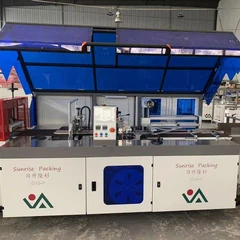
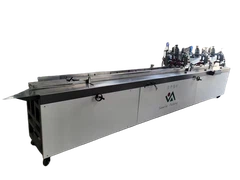
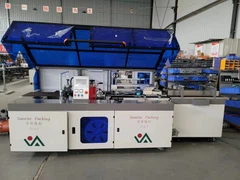
- Power Stainless Steel Packing Conveyor: Our power stainless steel packing conveyors are designed for high-speed, high-volume packing applications. They are built to withstand the rigors of continuous operation and provide reliable performance with low vibration.
- SS Packing Conveyor: Our SS packing conveyors are designed for use in food processing, pharmaceutical, and other industries where hygiene and cleanliness are critical. They are made from high-quality stainless steel and are easy to clean and maintain, ensuring a low vibration level and reliable operation.
Contact Us for Your Conveyor Needs
If you are looking for a high-quality stainless steel conveyor that is designed to minimize vibration and provide reliable, long-lasting performance, look no further. Our team of experts is ready to help you find the perfect conveyor solution for your specific needs. Contact us today to learn more about our products and services, and to discuss your conveyor requirements. We look forward to working with you to provide the best possible conveyor solution for your business.
References
- "Conveyor Belt Technology," by Gerhard Heinzl.
- "Industrial Conveyor Design Handbook," by CEMA (Conveyor Equipment Manufacturers Association).
- "Vibration Analysis for Machinery Maintenance," by Thomas W. Beardsley.
Send Inquiry