



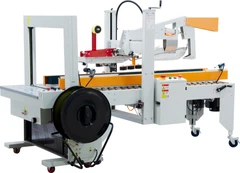
What are the safety precautions when using a sealing and cutting machine?
Dec 03, 2025
Leave a message
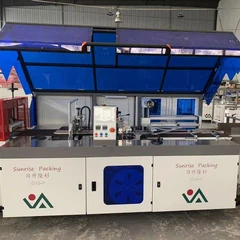
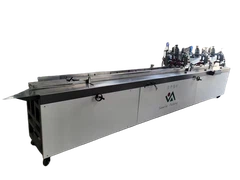
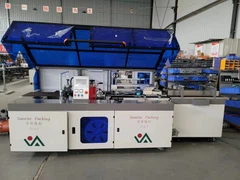
When it comes to the operation of a sealing and cutting machine, safety should always be the top priority. As a supplier of various sealing and cutting machines, including the Plastic Bag Cutting and Sealing Machine, Side Sealing and Cutting Machine, and Food Packing Sealing and Cutting Machine, I understand the importance of ensuring that users are well - informed about safety precautions.
Pre - operation Safety Checks
Before starting the sealing and cutting machine, a series of pre - operation safety checks are essential. First, visually inspect the machine for any obvious signs of damage, such as cracks in the housing, loose wires, or broken parts. If any damage is detected, do not operate the machine until it has been properly repaired by a qualified technician.
Check the power supply. Ensure that the power cord is in good condition, without any fraying or exposed wires. The machine should be plugged into a grounded electrical outlet to prevent electrical shocks. It is also important to verify that the voltage of the power supply matches the voltage requirements of the sealing and cutting machine. Using an incorrect voltage can not only damage the machine but also pose a significant safety hazard.
Inspect the cutting blades and sealing elements. The cutting blades should be sharp and properly installed. Dull blades can cause uneven cuts and may require more force to operate, increasing the risk of accidents. The sealing elements, such as heating bars, should be clean and free from any debris or residue. Any build - up on the sealing elements can affect the quality of the seal and may also lead to overheating.
Personal Protective Equipment (PPE)
Wearing appropriate personal protective equipment is crucial when using a sealing and cutting machine. Operators should wear safety glasses to protect their eyes from flying debris, such as plastic shavings or small particles that may be generated during the cutting process. Gloves are also recommended to protect the hands from cuts and burns. Heat - resistant gloves are especially important when working with machines that have hot sealing elements.
In some cases, depending on the nature of the materials being processed and the working environment, operators may also need to wear ear protection. Some sealing and cutting machines can produce loud noises during operation, and prolonged exposure to high - decibel sounds can cause hearing damage.
Operating the Machine
During operation, always follow the manufacturer's instructions. Familiarize yourself with the control panel and the functions of each button and switch before starting the machine. Do not attempt to operate the machine if you are not fully trained or if you do not understand how it works.
Keep your hands and other body parts away from the cutting blades and moving parts of the machine. Most sealing and cutting machines are equipped with safety guards, but it is still important to exercise caution. Do not reach into the machine while it is in operation, even if you need to clear a jam or adjust a part. Instead, turn off the machine and wait for it to come to a complete stop before making any adjustments.
When feeding materials into the machine, do it slowly and steadily. Avoid overloading the machine with too much material at once, as this can cause the machine to malfunction and increase the risk of accidents. If you are processing long or wide materials, make sure they are properly aligned and guided through the machine to prevent jams.
Maintenance and Cleaning
Regular maintenance and cleaning of the sealing and cutting machine are essential for both safety and performance. Follow the recommended maintenance schedule provided by the manufacturer. This may include lubricating moving parts, tightening loose screws, and replacing worn - out components.
When cleaning the machine, turn it off and unplug it from the power source. Use a soft, dry cloth to wipe down the exterior of the machine. For the cutting blades and sealing elements, use a suitable cleaning agent to remove any dirt or residue. However, be careful not to use abrasive materials that could damage the blades or the sealing elements.
Store any cleaning agents and lubricants in a safe place, away from the machine and out of reach of unauthorized personnel. These chemicals can be hazardous if misused or if they come into contact with the machine's electrical components.
Emergency Situations
Be prepared for emergency situations when using a sealing and cutting machine. Know the location of the emergency stop button and how to use it. In case of an emergency, such as a fire, electrical shock, or a serious malfunction, immediately press the emergency stop button and unplug the machine from the power source.
Have a first - aid kit readily available in the work area. In the event of an injury, such as a cut or a burn, provide immediate first - aid treatment and seek medical attention if necessary.
Training and Education
Proper training is the key to safe operation of a sealing and cutting machine. As a supplier, we offer comprehensive training programs for our customers. These programs cover everything from basic machine operation to advanced troubleshooting techniques. We also provide detailed user manuals and safety guides to ensure that operators have access to all the information they need.
By investing in training and education, companies can reduce the risk of accidents and improve the overall efficiency of their operations. It is also important to encourage a safety - conscious culture in the workplace, where operators are aware of the potential hazards and are committed to following safety procedures.
Post - operation Procedures
After finishing the operation, turn off the machine and unplug it from the power source. Allow the machine to cool down completely before performing any cleaning or maintenance tasks. This is especially important for machines with hot sealing elements, as touching them while they are still hot can cause severe burns.
Store the machine in a dry, clean place. If the machine is not going to be used for an extended period, cover it with a dust - proof cover to protect it from dirt and moisture.
Conclusion
Using a sealing and cutting machine safely requires a combination of proper pre - operation checks, the use of personal protective equipment, following correct operating procedures, regular maintenance, and adequate training. As a supplier of sealing and cutting machines, we are committed to providing our customers with high - quality products and the necessary support to ensure safe and efficient operation.


If you are interested in purchasing a sealing and cutting machine or have any questions about safety precautions, please feel free to contact us. Our team of experts is ready to assist you in finding the right machine for your needs and providing you with all the information you need to operate it safely.
References
- Manufacturer's user manuals for sealing and cutting machines
- Occupational Safety and Health Administration (OSHA) guidelines for industrial machinery operation
- Industry best practices for plastic and food packaging machinery safety
Send Inquiry