




What is the noise level of a packing conveyor?
May 30, 2025
Leave a message
In the world of manufacturing and logistics, the packing conveyor plays a crucial role in streamlining the packaging process. As a seasoned packing conveyor supplier, I often encounter questions from clients regarding various aspects of these conveyors. One topic that frequently arises is the noise level of a packing conveyor. Understanding the noise level is not only important for safety and comfort in the workplace but also for ensuring compliance with industrial regulations.
Factors Affecting the Noise Level of a Packing Conveyor
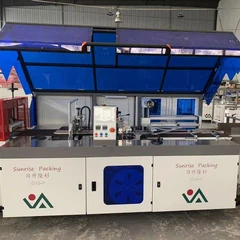
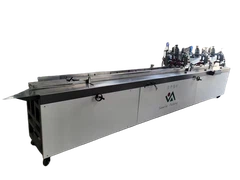
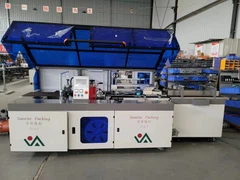
The noise level of a packing conveyor is influenced by several factors. First and foremost is the type of conveyor. There are different types of packing conveyors, such as Rubber Belt Conveyor and Power Belt Conveyors. Each type has its unique noise - generating characteristics.


The belt material also significantly impacts the noise level. Rubber - belt conveyors, like the Rubber Belt Conveyor, generally produce less noise compared to some other belt materials. This is because rubber has better shock - absorbing properties. When the products are conveyed on a rubber belt, the impact and friction noise are reduced as the rubber can cushion the movement of the items.
The speed of the conveyor is another crucial factor. A faster - moving conveyor typically generates more noise. At higher speeds, the mechanical components such as the motors, gears, and pulleys operate under more stress, resulting in increased vibration and noise. For example, if a conveyor is set to a very high speed to meet a high - volume production target, the noise level can spike significantly.
The condition of the conveyor parts also plays an important role. Worn - out bearings, loose belts, or misaligned pulleys can all contribute to increased noise. Bearings that are past their prime may produce a screeching or grinding noise as they rotate. A loose belt can slap against the conveyor frame or other components, creating a loud, irregular noise. Misaligned pulleys cause uneven tension on the belt, which in turn leads to abnormal friction and noise.
Measuring the Noise Level of a Packing Conveyor
To accurately measure the noise level of a packing conveyor, a sound level meter is used. This device can provide an objective reading of the noise in decibels (dB). When taking measurements, it is important to follow a proper protocol.
First, the sound level meter should be placed at an appropriate location. It is usually recommended to place the meter at ear height near the operators' normal working positions. This gives a good indication of the noise level that the workers are actually exposed to. Multiple measurements should be taken at different points along the conveyor, especially at areas where the noise is suspected to be the loudest, such as near the motor or at the transfer points between different conveyor sections.
The environment in which the conveyor operates also needs to be considered. Background noise can interfere with the accurate measurement of the conveyor noise. If possible, the background noise should be measured separately, and then the conveyor noise can be determined by subtracting the background noise level from the total measured noise level.
Acceptable Noise Levels and Regulations
In most industrial settings, there are regulations regarding the acceptable noise levels to protect the health and safety of workers. Prolonged exposure to high - level noise can cause hearing loss, stress, and other health problems.
In many countries, the legal limit for continuous noise exposure in the workplace is around 85 dB over an 8 - hour workday. However, some industries may have more stringent requirements. For example, in a food - packaging facility where workers need to communicate effectively, a lower noise level may be more desirable.
As a packing conveyor supplier, we understand the importance of compliance with these regulations. That's why all our conveyors are designed and engineered to operate within acceptable noise limits. We use high - quality components and advanced manufacturing techniques to minimize noise generation.
Reducing the Noise Level of a Packing Conveyor
There are several strategies that can be employed to reduce the noise level of a packing conveyor.
One approach is to use noise - reducing materials. As mentioned earlier, rubber - belt conveyors can be a good option. Additionally, we can add noise - absorbing insulation to the conveyor frame. This insulation can soak up the sound waves and prevent them from spreading into the surrounding environment.
Proper maintenance is also essential. Regularly inspecting and replacing worn - out parts can prevent the development of excessive noise. For example, timely bearing replacement can keep the rotating components running smoothly and quietly. Tightening loose belts and realigning pulleys can also eliminate a significant amount of noise.
Another strategy is to optimize the conveyor design. For instance, using a more streamlined conveyor layout can reduce the number of transfer points, which in turn reduces the noise associated with product transitions. We can also design the conveyor with better - balanced components to minimize vibration.
The Impact of Low - Noise Conveyors on the Workplace
Having a low - noise packing conveyor in the workplace offers several benefits. Firstly, it improves the working environment for the employees. Workers can communicate more easily without having to shout over the noise. This leads to better teamwork and efficiency.
Secondly, it helps in attracting and retaining talent. A noisy workplace is often considered unpleasant, and potential employees may be reluctant to work in such an environment. By providing a quiet working environment, companies can enhance their reputation as an employer of choice.
From a productivity perspective, a low - noise conveyor can also be beneficial. When the noise level is reduced, workers are less likely to be distracted or stressed. This allows them to focus better on their tasks, leading to potentially higher - quality work and fewer errors.
Conclusion
In conclusion, the noise level of a packing conveyor is influenced by multiple factors, including the type of conveyor, belt material, speed, and the condition of the parts. Measuring the noise level accurately and ensuring compliance with regulations are crucial steps in maintaining a safe and healthy workplace.
As a packing conveyor supplier, we are committed to providing our clients with conveyors that not only meet their production requirements but also operate with minimal noise. We have a wide range of conveyor options, including Rubber Belt Conveyor and Power Belt Conveyors, which are designed with noise - reduction features in mind.
If you are interested in reducing the noise level in your packaging operation or need a new packing conveyor, we would be more than happy to have a detailed discussion with you. Please contact our sales team to explore the options that best suit your needs.
References
- Industrial Noise Control Manual, published by the International Labour Organization.
- Noise Measurement and Assessment Guidelines for Industrial Conveyors, a technical report from a leading research institute.
Send Inquiry