



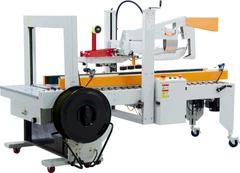
What is the ergonomic design of a case packer for packing?
Nov 06, 2025
Leave a message
Ergonomic design in a case packer for packing is a crucial aspect that directly impacts the efficiency, safety, and overall productivity of the packaging process. As a supplier of case packers, we understand the significance of integrating ergonomic principles into our machines to meet the diverse needs of our customers. In this blog post, we will explore what ergonomic design means in the context of a case packer for packing and how it benefits both operators and businesses.
Understanding Ergonomic Design in Case Packers
Ergonomic design focuses on creating products and systems that fit the capabilities and limitations of the human body. In the case of a case packer, this means designing the machine in a way that minimizes physical strain on operators, reduces the risk of injuries, and enhances user comfort. A well - designed case packer should allow operators to perform their tasks with ease, precision, and efficiency.
One of the key elements of ergonomic design in a case packer is the layout of controls and interfaces. The controls should be easily accessible and intuitive to use. For example, buttons and switches should be placed within reach of the operator's normal working position, and their functions should be clearly labeled. This reduces the time and effort required for operators to operate the machine, which in turn increases productivity.
Another important aspect is the height and position of the packing area. The case packer should be designed so that the operator can load and unload products without having to bend, stretch, or reach excessively. This helps to prevent musculoskeletal disorders such as back pain, neck pain, and shoulder injuries, which are common among workers in the packaging industry.
Benefits of Ergonomic Design for Operators
Ergonomic design in a case packer offers numerous benefits to operators. Firstly, it reduces physical fatigue. When operators do not have to struggle with awkward postures or repetitive motions, they can work for longer periods without feeling tired. This leads to improved concentration and accuracy, which is essential for high - quality packaging.


Secondly, ergonomic case packers enhance safety. By minimizing the need for operators to perform dangerous or strenuous tasks, the risk of accidents and injuries is significantly reduced. For example, if the machine is designed to automatically handle heavy cases, operators are less likely to suffer from lifting - related injuries.
Thirdly, ergonomic design improves job satisfaction. When operators are comfortable and safe at work, they are more likely to enjoy their jobs. This can lead to lower turnover rates and a more motivated workforce.
Benefits of Ergonomic Design for Businesses
From a business perspective, investing in an ergonomic case packer can yield significant returns. Firstly, it increases productivity. As operators can work more efficiently and with fewer interruptions due to fatigue or injuries, the overall output of the packaging process can be increased. This means that businesses can meet higher production demands and potentially increase their revenue.
Secondly, ergonomic design can reduce costs. By preventing workplace injuries, businesses can save on medical expenses, workers' compensation claims, and lost productivity due to employee absences. Additionally, well - designed case packers are often more reliable and require less maintenance, which further reduces operating costs.
Thirdly, an ergonomic case packer can enhance a company's reputation. In today's market, customers are increasingly concerned about the working conditions of the companies they do business with. By demonstrating a commitment to the well - being of their employees through ergonomic design, businesses can improve their brand image and attract more customers.
Our Ergonomic Case Packers
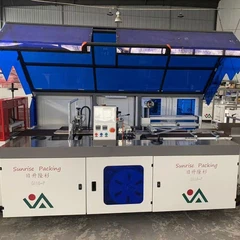
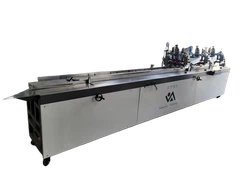
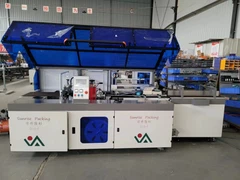
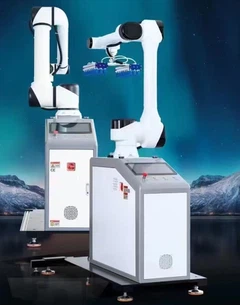
As a supplier of case packers for packing, we take ergonomic design very seriously. Our case packers are designed with the latest ergonomic principles in mind. We offer a range of models that can be customized to meet the specific needs of different industries and applications.
For example, our Automatic Book Packing Machine is designed to handle books of various sizes and weights. The loading and unloading areas are at a comfortable height for operators, and the controls are easy to reach and operate. This ensures that operators can pack books efficiently and safely.
Our Medication Packaging Machine is another example of our commitment to ergonomic design. In the pharmaceutical industry, precision and hygiene are of utmost importance. Our machine is designed to minimize operator contact with the medication, which reduces the risk of contamination. At the same time, the controls are designed to be easy to clean and maintain, which is essential for a hygienic working environment.
Our Universal Food Packaging Machine is suitable for a wide range of food products. The machine is designed to be easy to operate, with a user - friendly interface that allows operators to quickly adjust settings for different types of food. The packing area is designed to be easy to access and clean, which is crucial for maintaining food safety standards.
Conclusion
Ergonomic design is an essential aspect of a case packer for packing. It offers significant benefits to both operators and businesses, including increased productivity, improved safety, and reduced costs. As a supplier of case packers, we are dedicated to providing our customers with machines that are not only efficient but also ergonomic.
If you are interested in learning more about our case packers or would like to discuss your specific packaging needs, we encourage you to contact us. Our team of experts is ready to assist you in finding the right solution for your business. Whether you are in the book, pharmaceutical, food, or any other industry, we have the experience and expertise to provide you with a high - quality, ergonomic case packer.
References
- Grandjean, E. (1988). Fitting the Task to the Man: An Introduction to Ergonomics. Taylor & Francis.
- Konz, S., & Johnson, S. (2012). Work Design: Industrial Ergonomics. Cengage Learning.
- Kroemer, K. H. E., Kroemer, H. B., & Kroemer - Elbert, K. E. (2001). Engineering Physiology: Bases of Human Factors/Ergonomics. Psychology Press.
Send Inquiry