




What is the difference between flat and trough conveyor belt equipment?
Jul 28, 2025
Leave a message
As a seasoned supplier of conveyor belt equipment, I've witnessed firsthand the diverse needs and applications of different conveyor belt systems. Among the various types, flat and trough conveyor belts stand out as two popular choices, each with its own unique characteristics and advantages. In this blog post, I'll delve into the key differences between flat and trough conveyor belt equipment, helping you make an informed decision for your specific requirements.
Design and Structure
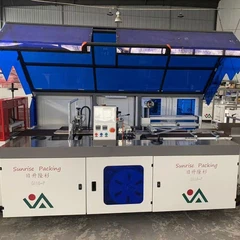
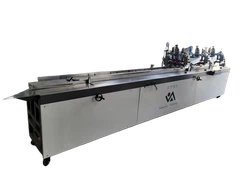
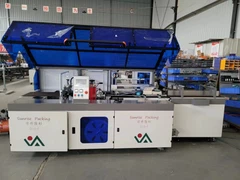
The most obvious difference between flat and trough conveyor belts lies in their design and structure. A flat conveyor belt, as the name suggests, features a flat surface that runs parallel to the ground. This simple design makes it ideal for transporting a wide range of materials, including boxes, cartons, and small parts. Flat conveyor belts are typically made of a single layer of material, such as rubber or PVC, and are supported by a series of rollers or a flat bed.
On the other hand, a trough conveyor belt is designed with a curved or trough-shaped surface. This design allows the belt to carry bulk materials, such as grains, ores, and coal, more efficiently. The trough shape helps to contain the material and prevent it from spilling off the sides of the belt. Trough conveyor belts are usually made of multiple layers of material, including a top cover, a carcass, and a bottom cover, to provide strength and durability.
Material Handling Capabilities
Another significant difference between flat and trough conveyor belts is their material handling capabilities. Flat conveyor belts are best suited for handling lightweight, small to medium-sized items that require gentle handling. They are commonly used in industries such as packaging, food processing, and electronics manufacturing. The flat surface of the belt provides a stable platform for the materials to rest on, reducing the risk of damage or breakage.
Trough conveyor belts, on the other hand, are designed to handle heavy, bulk materials that require high-capacity transportation. They are commonly used in industries such as mining, agriculture, and construction. The trough shape of the belt allows it to carry large volumes of material without spilling, making it ideal for transporting materials over long distances. Trough conveyor belts can also be used to handle materials with irregular shapes or sizes, as the trough shape helps to contain the material and prevent it from shifting during transport.
Conveyor Belt Speed and Capacity
The speed and capacity of a conveyor belt are important factors to consider when choosing between flat and trough conveyor belt equipment. Flat conveyor belts are typically designed to operate at lower speeds, ranging from a few feet per minute to several hundred feet per minute. This slower speed is suitable for applications that require precise positioning or gentle handling of the materials. Flat conveyor belts also have a relatively low capacity, typically ranging from a few hundred pounds to a few thousand pounds per hour.
Trough conveyor belts, on the other hand, are designed to operate at higher speeds, ranging from several hundred feet per minute to several thousand feet per minute. This higher speed is necessary to handle the large volumes of material that are typically transported by trough conveyor belts. Trough conveyor belts also have a much higher capacity, typically ranging from several thousand pounds to several hundred thousand pounds per hour.
Installation and Maintenance
The installation and maintenance requirements of flat and trough conveyor belt equipment also differ. Flat conveyor belts are relatively easy to install and maintain, as they have a simple design and fewer components. They can be installed on a flat surface or a slight incline, and they require minimal alignment and tensioning. Flat conveyor belts also have a longer lifespan than trough conveyor belts, as they are less prone to wear and tear.


Trough conveyor belts, on the other hand, are more complex to install and maintain, as they have a curved design and more components. They require a more precise alignment and tensioning to ensure proper operation, and they may require additional support structures to prevent sagging or stretching. Trough conveyor belts also have a shorter lifespan than flat conveyor belts, as they are more prone to wear and tear due to the constant bending and flexing of the belt.
Cost
The cost of flat and trough conveyor belt equipment is another important factor to consider. Flat conveyor belts are generally less expensive than trough conveyor belts, as they have a simpler design and fewer components. They also require less maintenance and have a longer lifespan, which can result in lower overall costs over time.
Trough conveyor belts, on the other hand, are more expensive than flat conveyor belts, as they have a more complex design and more components. They also require more maintenance and have a shorter lifespan, which can result in higher overall costs over time. However, the higher cost of trough conveyor belts may be justified in applications that require high-capacity transportation or the handling of bulk materials.
Conclusion
In conclusion, the choice between flat and trough conveyor belt equipment depends on a variety of factors, including the type of material being transported, the required speed and capacity, the installation and maintenance requirements, and the cost. Flat conveyor belts are best suited for handling lightweight, small to medium-sized items that require gentle handling, while trough conveyor belts are designed to handle heavy, bulk materials that require high-capacity transportation. By understanding the key differences between flat and trough conveyor belt equipment, you can make an informed decision that meets your specific needs and budget.
If you're in the market for conveyor belt equipment, I encourage you to explore our wide range of products at Belt Conveyor Manufacturers. We offer a variety of flat and trough conveyor belts, as well as other types of conveyor systems, to meet the needs of any industry. Our experienced team of engineers and technicians can help you select the right conveyor belt equipment for your specific application and provide you with the support and service you need to keep your system running smoothly.
For more information about our packing conveyor solutions, please visit Packing Conveyor. And if you're looking for an unpowered conveyor option, check out our Unpower Convevor.
If you have any questions or would like to discuss your conveyor belt equipment needs in more detail, please don't hesitate to contact us. We're here to help you find the best solution for your business.
References
- Conveyor Belt Handbook, published by the Conveyor Equipment Manufacturers Association (CEMA)
- Belt Conveyors for Bulk Materials, published by the United States Bureau of Mines
- Conveyor Belt Technology, published by the German Institute for Standardization (DIN)
Send Inquiry