


What are the limitations of a heat shrink wrap machine?
Nov 19, 2025
Leave a message
In the realm of packaging solutions, heat shrink wrap machines have emerged as a popular choice for businesses across various industries. As a supplier of heat shrink wrap machines, I have witnessed firsthand the numerous benefits these machines offer, such as improved product protection, enhanced visual appeal, and increased efficiency in the packaging process. However, like any technology, heat shrink wrap machines also have their limitations. Understanding these limitations is crucial for businesses to make informed decisions when selecting the right packaging equipment for their needs. In this blog post, I will delve into the limitations of heat shrink wrap machines and provide insights on how to mitigate these challenges.
1. Material Compatibility
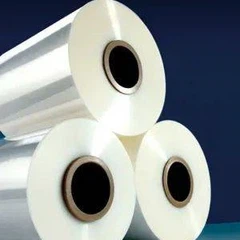
One of the primary limitations of heat shrink wrap machines is their compatibility with different types of materials. Heat shrink wrap machines typically work with specific types of shrink films, such as polyethylene (PE), polypropylene (PP), and polyvinyl chloride (PVC). Each type of shrink film has its own unique properties, including shrinkage rate, temperature requirements, and clarity. Using the wrong type of shrink film can result in poor shrinkage, uneven wrapping, or even damage to the product.
For example, some heat shrink wrap machines are designed to work with low-density polyethylene (LDPE) films, which have a relatively low shrinkage rate and are suitable for packaging products with irregular shapes. However, if a high-density polyethylene (HDPE) film is used in a machine designed for LDPE, the film may not shrink properly, leaving gaps or wrinkles in the packaging. Similarly, PVC films require a different temperature range for shrinkage compared to PE or PP films. Using a PVC film in a machine set for PE or PP may cause the film to overheat and release harmful chemicals.
To overcome this limitation, it is essential to carefully select the appropriate shrink film for your heat shrink wrap machine and the products you are packaging. Consult with your shrink film supplier or the manufacturer of your heat shrink wrap machine to ensure compatibility. Additionally, consider conducting test runs with different types of shrink films to determine the best option for your specific application.
2. Product Size and Shape
Another limitation of heat shrink wrap machines is their ability to handle products of different sizes and shapes. Most heat shrink wrap machines are designed to work within a specific range of product dimensions. If the product is too large or too small, it may not fit properly in the machine or may not be wrapped evenly.
For instance, some heat shrink wrap machines have a fixed conveyor width, which limits the maximum width of the products that can be processed. If you need to package products that are wider than the conveyor width, you may need to invest in a larger machine or consider alternative packaging methods. Similarly, products with irregular shapes or protruding parts may pose challenges for heat shrink wrap machines. The shrink film may not conform properly to the shape of the product, resulting in a less-than-perfect finish.
To address this limitation, look for heat shrink wrap machines that offer adjustable conveyor widths or customizable features to accommodate different product sizes and shapes. Some machines also come with additional accessories, such as adjustable guides or templates, to help ensure proper alignment and wrapping of irregularly shaped products. If your products have unique packaging requirements, consider working with a packaging equipment manufacturer that can provide custom solutions tailored to your specific needs.
3. Heat Distribution
Proper heat distribution is crucial for achieving consistent and uniform shrinkage when using a heat shrink wrap machine. However, achieving even heat distribution can be challenging, especially in machines with large heating chambers or when packaging multiple products simultaneously.
In some heat shrink wrap machines, the heat may be concentrated in certain areas of the heating chamber, resulting in uneven shrinkage. This can cause some parts of the shrink film to shrink more than others, leading to a distorted or wrinkled appearance. Additionally, if the products are not evenly spaced on the conveyor, they may receive different amounts of heat, further exacerbating the problem.
To improve heat distribution, look for heat shrink wrap machines that feature advanced heating systems, such as infrared heaters or hot air blowers. These systems can provide more precise and uniform heat distribution, ensuring consistent shrinkage across the entire surface of the product. Additionally, consider using a conveyor system with adjustable speed and spacing to ensure that the products are evenly exposed to the heat.
4. Energy Consumption
Heat shrink wrap machines require a significant amount of energy to operate, especially those with large heating chambers or high-powered heating elements. This can result in high energy costs, which can be a concern for businesses looking to reduce their operating expenses.
The energy consumption of a heat shrink wrap machine depends on several factors, including the size of the machine, the type of heating system, and the frequency of use. For example, machines with infrared heaters generally consume less energy compared to those with hot air blowers. However, infrared heaters may not be suitable for all types of shrink films or products.
To minimize energy consumption, consider investing in a heat shrink wrap machine that is energy-efficient. Look for machines with features such as automatic temperature control, energy-saving modes, or insulation to reduce heat loss. Additionally, optimize your packaging process by adjusting the machine settings to the minimum temperature and time required for proper shrinkage. This can help reduce energy consumption without compromising the quality of the packaging.


5. Maintenance and Upkeep
Like any piece of equipment, heat shrink wrap machines require regular maintenance and upkeep to ensure optimal performance and longevity. Failure to perform regular maintenance can lead to a variety of problems, including reduced shrinkage quality, increased downtime, and costly repairs.
Some common maintenance tasks for heat shrink wrap machines include cleaning the heating elements, lubricating moving parts, and inspecting the conveyor belts and seals. Over time, the heating elements may become dirty or worn, which can affect their efficiency and performance. Similarly, the conveyor belts and seals may wear out or become damaged, causing the machine to malfunction.
To avoid these issues, follow the manufacturer's recommended maintenance schedule for your heat shrink wrap machine. This may include daily, weekly, monthly, or annual maintenance tasks. Keep a record of all maintenance activities and inspections to track the performance of your machine and identify any potential problems early on. Additionally, consider investing in a service contract with a qualified technician to ensure that your heat shrink wrap machine is properly maintained and repaired when needed.
6. Initial Investment and Operating Costs
The initial investment required to purchase a heat shrink wrap machine can be significant, especially for larger or more advanced models. In addition to the cost of the machine itself, businesses also need to consider the cost of shrink film, energy consumption, maintenance, and training. These operating costs can add up over time, making it important to carefully evaluate the return on investment (ROI) before making a purchase.
When comparing different heat shrink wrap machines, consider not only the upfront cost but also the long-term operating costs. Look for machines that offer a good balance between price and performance. Consider the features and capabilities of the machine and how they align with your specific packaging needs. Additionally, factor in the cost of shrink film and energy consumption when calculating the total cost of ownership.
Conclusion
While heat shrink wrap machines offer many benefits for businesses in terms of product protection, visual appeal, and packaging efficiency, they also have their limitations. By understanding these limitations and taking steps to mitigate them, businesses can make informed decisions when selecting a heat shrink wrap machine and ensure that it meets their specific packaging needs.
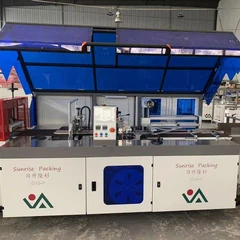
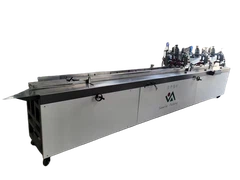
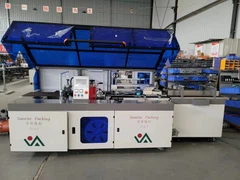
If you are in the market for a heat shrink wrap machine, I encourage you to explore our range of Plastic Film Heat Shrink Packaging Machine, Heat Shrink Wrap Machine, and Shrink Wrapping Machine For Book Notebook Shrink Packing. Our machines are designed to provide reliable performance, energy efficiency, and ease of use. We also offer comprehensive support and training to help you get the most out of your heat shrink wrap machine.
If you have any questions or would like to discuss your packaging needs in more detail, please do not hesitate to contact us. Our team of experts is ready to assist you in finding the right heat shrink wrap machine for your business.
References
- Packaging Machinery Manufacturers Institute (PMMI). (2023). Heat Shrink Packaging Equipment Guide.
- Shrink Packaging Association. (2023). Shrink Film Selection Guide.
- Smith, J. (2022). The Basics of Heat Shrink Packaging. Packaging World.
Send Inquiry