


What are the functions of the belt cleaner in conveyor belt equipment?
Dec 23, 2025
Leave a message
When it comes to conveyor belt equipment, one component that often goes unnoticed but plays a crucial role is the belt cleaner. As a leading supplier of conveyor belt equipment, I've witnessed firsthand the significant impact that belt cleaners have on the overall performance and longevity of conveyor systems. In this blog, we'll explore the various functions of belt cleaners in conveyor belt equipment and why they are an essential part of any conveyor setup.
1. Material Removal
One of the primary functions of a belt cleaner is to remove material that adheres to the conveyor belt. During the conveying process, various materials such as coal, ore, grain, and other bulk solids can stick to the belt surface. If left unremoved, this material can build up over time, leading to a range of problems.
For example, in a Rubber Belt Conveyor used in a mining operation, coal dust and small particles can cling to the belt. As the belt continues to run, this accumulated material can cause uneven wear on the belt, rollers, and other components. The belt cleaner scrapes off this adhered material, ensuring that the belt remains clean and reducing the risk of premature wear and tear.
In a food processing facility, where a Packing Conveyor is used, any food residue left on the belt can attract pests and bacteria, posing a significant health risk. A belt cleaner helps to maintain a hygienic belt surface by removing these residues promptly, ensuring compliance with food safety standards.
2. Preventing Material Carry - Back
Material carry - back is a common issue in conveyor systems. It occurs when material that should have been discharged at the end of the conveyor continues to be carried back along the return side of the belt. This can result in a mess below the conveyor, as well as additional wear on the return rollers and support structures.
The belt cleaner effectively reduces material carry - back by removing the material from the belt before it reaches the return side. In a Unpower Convevor, which relies on gravity or manual force to move materials, preventing material carry - back is especially important. If carry - back occurs, it can make the conveyor inoperable or cause safety hazards for workers in the vicinity.
By keeping the return side of the belt clean, the belt cleaner also helps to maintain the proper alignment of the belt. Material carry - back can cause the belt to become misaligned, leading to tracking problems that can disrupt the normal operation of the conveyor and potentially cause damage to the belt and other components.
3. Improving Conveyor Efficiency
A clean conveyor belt operates more efficiently. When the belt is free of adhered material, it can move smoothly over the rollers and pulleys. This reduces the friction between the belt and the supporting components, which in turn reduces the power consumption of the conveyor system.
For instance, in a large - scale industrial conveyor system that operates continuously, even a small reduction in friction can result in significant energy savings over time. The belt cleaner ensures that the belt's surface remains in optimal condition, allowing the conveyor to run at its designed speed and capacity without unnecessary resistance.

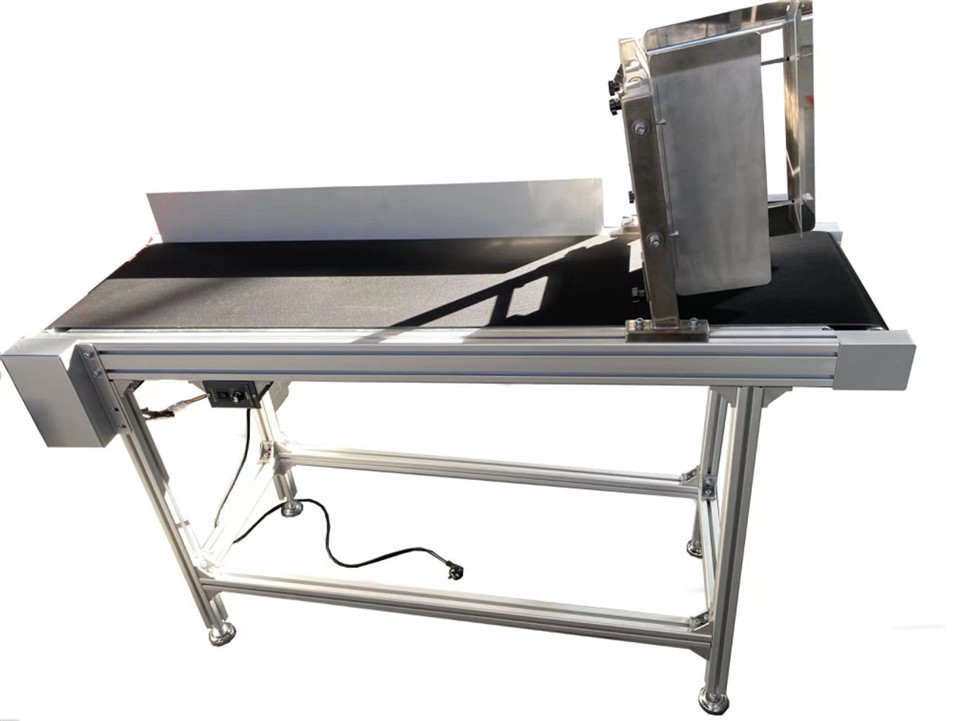
In addition, a clean belt also reduces the likelihood of belt slippage. Slippage can occur when material build - up on the belt causes the belt to lose traction on the drive pulley. By removing this material, the belt cleaner helps to maintain the proper grip between the belt and the pulley, ensuring reliable power transmission and efficient operation of the conveyor.
4. Protecting the Belt and Other Components
Belt cleaners play a vital role in protecting the conveyor belt and other components of the system. As mentioned earlier, material build - up on the belt can cause uneven wear. The belt cleaner helps to distribute the wear more evenly across the belt surface, extending the belt's service life.
Moreover, the adhered material can also cause damage to the rollers, pulleys, and bearings. For example, abrasive materials can scratch the surface of the rollers, leading to premature failure. By removing these materials, the belt cleaner reduces the risk of damage to these critical components, minimizing maintenance costs and downtime.
In a harsh industrial environment, such as a steel mill or a cement plant, where the conveyor belts are exposed to high temperatures, chemicals, and abrasive materials, the protection provided by the belt cleaner is even more crucial. It helps to shield the belt and other components from the damaging effects of these harsh conditions, ensuring the long - term reliability of the conveyor system.
5. Ensuring Safety
Safety is a top priority in any industrial setting. A dirty conveyor belt can pose several safety hazards. Material carry - back can create slippery conditions below the conveyor, increasing the risk of slips, trips, and falls for workers. In addition, the build - up of combustible materials on the belt can pose a fire hazard in certain environments.
The belt cleaner helps to eliminate these safety risks by keeping the belt and the surrounding area clean. By removing the adhered material, it reduces the likelihood of slips and falls, and also minimizes the potential for fire. In addition, a well - maintained conveyor belt is less likely to malfunction, reducing the risk of accidents caused by conveyor breakdowns.
Why Choose Our Belt Cleaners?
As a supplier of conveyor belt equipment, we understand the importance of high - quality belt cleaners. Our belt cleaners are designed to meet the specific needs of different industries and conveyor applications. We use advanced materials and manufacturing techniques to ensure that our belt cleaners are durable, efficient, and easy to maintain.
We offer a wide range of belt cleaners, including primary and secondary belt cleaners. Our primary belt cleaners are designed to remove the majority of the material from the belt at the head pulley, while our secondary belt cleaners provide an additional level of cleaning to ensure a completely clean belt.
If you're looking for reliable belt cleaners for your conveyor belt equipment, we're here to help. Whether you're in the mining, food processing, manufacturing, or any other industry, our belt cleaners can improve the performance and longevity of your conveyor system. Contact us today to discuss your requirements and explore how our belt cleaners can benefit your operation.
References
- Carr, C. (2008). Conveyor Belt Cleaners: Principles and Practice. Industrial Conveying Technology.
- Dixon, H. J. (2012). Belt Conveyor Operation and Maintenance. CRC Press.
- Weiss, R. (2015). Handbook of Bulk Solids Handling and Conveying. Springer.
Send Inquiry