


How to troubleshoot a packing machine with uneven sealing?
Nov 20, 2025
Leave a message
Troubleshooting a packing machine with uneven sealing can be a challenging task, but with the right approach, it can be resolved efficiently. As a packing machine supplier, I've encountered various issues related to uneven sealing and have developed a systematic way to diagnose and fix them. In this blog, I'll share some practical steps to troubleshoot this problem.
Understanding the Basics of Sealing in Packing Machines
Before diving into troubleshooting, it's essential to understand how the sealing process works in packing machines. Sealing is typically achieved through heat, pressure, or a combination of both. Heat melts the sealing layer of the packaging material, while pressure ensures that the melted layers bond together. Any disruption in this process can lead to uneven sealing.
Step 1: Check the Sealing Temperature
One of the most common causes of uneven sealing is incorrect sealing temperature. If the temperature is too low, the sealing layer may not melt properly, resulting in weak or uneven seals. On the other hand, if the temperature is too high, the packaging material may burn or warp, also causing uneven seals.
To check the sealing temperature, refer to the machine's manual for the recommended temperature range. Use a temperature sensor or a thermal imaging camera to measure the actual temperature at the sealing area. If the temperature is outside the recommended range, adjust the temperature settings accordingly. Make small adjustments and test the seals after each adjustment until you achieve the desired results.
Step 2: Inspect the Sealing Pressure
Uneven sealing can also be caused by inconsistent sealing pressure. If the pressure is too low, the seals may not be strong enough, while excessive pressure can damage the packaging material. Check the pressure settings on the packing machine and ensure they are within the recommended range.
Inspect the sealing bars or jaws for any signs of wear or damage. Worn or damaged sealing bars can cause uneven pressure distribution, leading to uneven seals. If you notice any issues with the sealing bars, replace them as soon as possible. Additionally, make sure the sealing bars are properly aligned and parallel to each other. Misaligned sealing bars can also result in uneven seals.
Step 3: Examine the Packaging Material
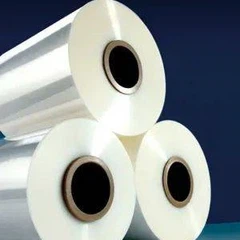
The quality and type of packaging material can significantly affect the sealing process. Some materials may require specific sealing conditions, such as higher temperatures or pressures. Check the packaging material for any defects, such as tears, holes, or uneven thickness. Defective materials can cause uneven seals and should be replaced.
Ensure that the packaging material is compatible with the packing machine. Different machines are designed to work with specific types of materials, so using the wrong material can lead to sealing problems. Refer to the machine's manual or consult with the manufacturer to determine the appropriate packaging material for your machine.
Step 4: Clean the Sealing Area
Over time, debris, dust, and residue can accumulate on the sealing area, affecting the sealing quality. Clean the sealing bars, jaws, and other components regularly to remove any contaminants. Use a mild detergent and a soft cloth to clean the surfaces. Avoid using abrasive materials or harsh chemicals, as they can damage the sealing components.
In addition to regular cleaning, it's also important to maintain a clean working environment. Keep the area around the packing machine free from dust and debris to prevent them from getting into the machine and causing sealing problems.
Step 5: Check the Machine's Mechanical Components
Uneven sealing can sometimes be caused by mechanical issues within the packing machine. Inspect the belts, chains, gears, and other moving parts for any signs of wear, damage, or misalignment. Worn or damaged components can affect the machine's performance and lead to uneven seals.
Lubricate the moving parts regularly to ensure smooth operation. Follow the manufacturer's recommendations for the type and frequency of lubrication. If you notice any abnormal noises or vibrations during the operation of the machine, it may indicate a mechanical problem. In such cases, it's best to contact a professional technician for further inspection and repair.
Step 6: Review the Machine's Settings and Parameters
Incorrect settings and parameters can also contribute to uneven sealing. Review the machine's settings, such as the sealing time, speed, and dwell time. These settings can affect the sealing quality and should be adjusted according to the packaging material and the desired seal strength.
Refer to the machine's manual for the recommended settings and make any necessary adjustments. It may take some trial and error to find the optimal settings for your specific application. Keep a record of the settings and the corresponding seal quality to help you troubleshoot future issues.


Step 7: Seek Professional Help
If you've tried all the above steps and still can't resolve the uneven sealing problem, it's time to seek professional help. As a packing machine supplier, we offer technical support and maintenance services to help you troubleshoot and fix any issues with your machine. Our team of experienced technicians can diagnose the problem accurately and provide effective solutions.
You can also contact the manufacturer of the packing machine for assistance. They have in-depth knowledge of their products and can offer valuable advice and support. Many manufacturers also provide training programs and resources to help you operate and maintain your packing machine properly.
Conclusion
Troubleshooting a packing machine with uneven sealing requires a systematic approach and attention to detail. By following the steps outlined in this blog, you can identify and resolve the most common causes of uneven sealing. Remember to check the sealing temperature, pressure, packaging material, and mechanical components regularly. Keep the machine clean and well-maintained, and review the settings and parameters to ensure optimal performance.
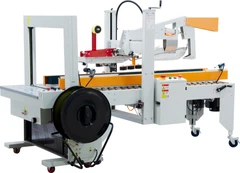
If you're in the market for a new packing machine, we offer a wide range of high-quality Universal Food Packaging Machine, Case Packer for Packing, and Automatic Book Packing Machine. Our machines are designed to provide reliable and efficient sealing solutions for various industries.
If you have any questions or need further assistance with your packing machine, please don't hesitate to contact us. We're here to help you find the best packing solutions for your business.
References
- Packaging Machinery Manufacturers Institute (PMMI). (2023). Packaging Machinery Technical Guides.
- Smith, J. (2022). Troubleshooting Guide for Packing Machines. Journal of Packaging Technology, 15(2), 45-52.
Send Inquiry