


How to prevent dust accumulation on a packing conveyor?
Jun 27, 2025
Leave a message
Dust accumulation on a packing conveyor can be a significant issue in various industrial settings. As a leading supplier of Packing Conveyor, I understand the challenges that dust can pose to the efficiency and longevity of these systems. In this blog post, I will share some effective strategies to prevent dust accumulation on packing conveyors, ensuring smooth operation and reducing maintenance costs.

Understanding the Causes of Dust Accumulation
Before we delve into prevention methods, it's crucial to understand why dust accumulates on packing conveyors. Several factors contribute to this problem:
- Material Characteristics: The nature of the materials being transported plays a significant role. Fine - grained, powdery substances are more likely to generate dust during handling. For example, products like flour, cement, or powdered chemicals can easily become airborne and settle on the conveyor components.
- Conveyor Design and Operation: The speed of the conveyor, the type of belt used, and the way the materials are loaded and unloaded can all influence dust generation. High - speed conveyors may cause more turbulence, leading to increased dust dispersion. Additionally, improper loading can result in spillage, which contributes to dust build - up.
- Environmental Conditions: The surrounding environment, such as humidity and air circulation, can also affect dust accumulation. Low humidity levels can cause materials to become more prone to dusting, while poor air circulation can allow dust to settle on the conveyor rather than being carried away.
Preventive Measures
1. Proper Sealing and Enclosure
One of the most effective ways to prevent dust from escaping and accumulating on the conveyor is to ensure proper sealing and enclosure. This can be achieved by:
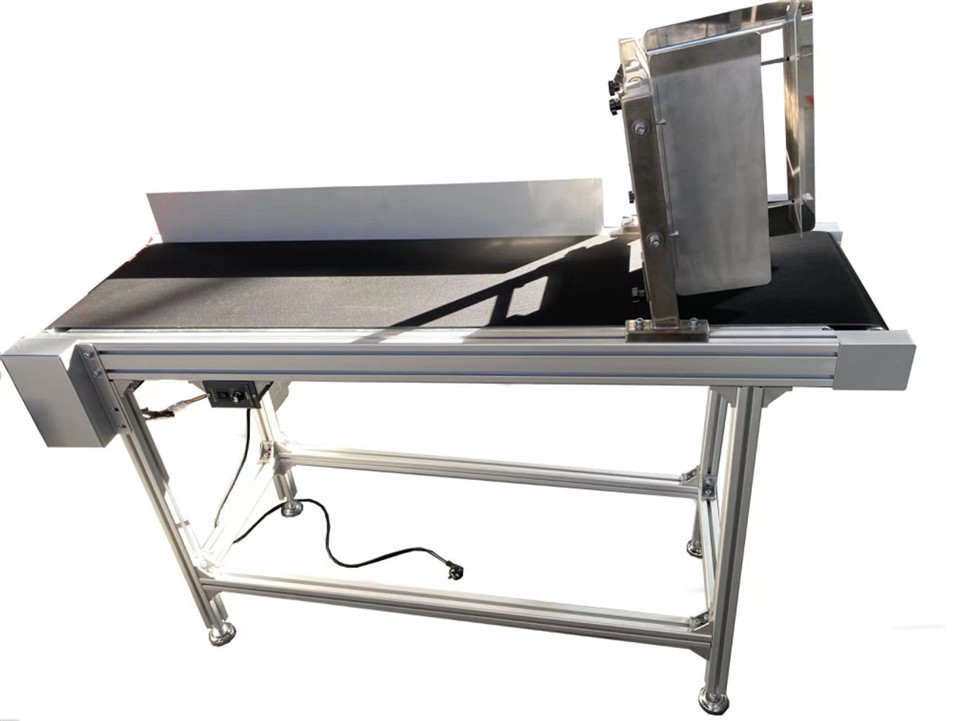
- Installing side skirts along the conveyor belt to prevent material spillage and contain dust. High - quality rubber or PVC side skirts can effectively block dust from escaping the sides of the conveyor.
- Enclosing the conveyor in a dust - tight housing. This is especially important when dealing with highly dusty materials. The enclosure can be made of metal or plastic and should have access doors for maintenance and inspection. By creating a closed system, dust is contained within the housing, reducing the risk of accumulation on the conveyor and in the surrounding area.
2. Dust Collection Systems
Implementing a dust collection system is another crucial step in preventing dust accumulation. There are several types of dust collection systems available:
- Baghouse Filters: These filters use fabric bags to trap dust particles. As the dusty air passes through the bags, the dust is collected on the surface of the bags, and clean air is released. Baghouse filters are highly efficient and can handle large volumes of dust.
- Cyclone Separators: Cyclone separators use centrifugal force to separate dust from the air. The dusty air is spun inside the cyclone, causing the heavier dust particles to be thrown to the outer wall and collected at the bottom. Cyclone separators are relatively simple and cost - effective, but they are more effective for larger dust particles.
- Cartridge Filters: Cartridge filters are similar to baghouse filters but use cartridges instead of bags. They are compact and easy to install, making them suitable for smaller conveyor systems.
By connecting the dust collection system to the conveyor, the dust generated during operation can be effectively removed, preventing it from accumulating on the conveyor components.
3. Conveyor Belt Selection
The choice of conveyor belt can also have a significant impact on dust accumulation. Consider the following factors when selecting a conveyor belt:
- Surface Texture: A smooth - surfaced belt is less likely to trap dust compared to a belt with a rough or porous surface. Rubber belts, such as those offered in our Rubber Belt Conveyor, often have a smooth surface that allows dust to slide off easily.
- Belt Material: Some belt materials are more resistant to dust adhesion than others. For example, belts made of certain polymers may have anti - static properties, which can reduce the attraction of dust particles.
4. Regular Cleaning and Maintenance
Regular cleaning and maintenance are essential to prevent dust from building up on the conveyor. Here are some cleaning and maintenance practices to follow:
- Scheduled Cleaning: Establish a regular cleaning schedule for the conveyor. This can include daily, weekly, or monthly cleaning depending on the level of dust exposure. Use appropriate cleaning tools such as brushes, vacuum cleaners, or compressed air to remove dust from the conveyor belt, rollers, and other components.
- Inspection and Lubrication: Regularly inspect the conveyor for any signs of wear, damage, or loose parts. Lubricate the moving parts, such as bearings and rollers, to ensure smooth operation and prevent dust from accumulating due to friction.
5. Air Circulation and Humidity Control
Proper air circulation and humidity control can also help prevent dust accumulation. Here's how:
- Air Circulation: Install fans or ventilation systems to improve air circulation around the conveyor. Good air circulation can help carry dust away from the conveyor and prevent it from settling. The fans should be positioned to direct the airflow in a way that maximizes dust removal.
- Humidity Control: Maintaining an appropriate humidity level can reduce the tendency of materials to generate dust. In dry environments, a humidifier can be used to increase the humidity, making the materials less prone to dusting.
The Role of Conveyor Design and Operation
In addition to the preventive measures mentioned above, proper conveyor design and operation can also contribute to dust prevention.
- Slow and Steady Operation: Operating the conveyor at a moderate speed can reduce the amount of dust generated. High - speed operation can cause more turbulence and material spillage, leading to increased dust dispersion. By adjusting the conveyor speed to the optimal level for the material being transported, dust generation can be minimized.
- Proper Loading and Unloading: Ensure that the materials are loaded and unloaded onto the conveyor in a controlled manner. Use chutes or hoppers to guide the materials onto the belt, and avoid dropping the materials from a great height, which can cause dust to be kicked up.
Conclusion
Preventing dust accumulation on a packing conveyor is crucial for maintaining its efficiency, reducing maintenance costs, and ensuring a safe working environment. By implementing the strategies outlined in this blog post, such as proper sealing and enclosure, dust collection systems, conveyor belt selection, regular cleaning and maintenance, and air circulation and humidity control, you can effectively prevent dust from accumulating on your packing conveyor.
As a trusted supplier of Packing Conveyor, Rubber Belt Conveyor, and Unpower Convevor, we are committed to providing high - quality conveyor systems and solutions to meet your specific needs. If you have any questions or are interested in purchasing our products, please feel free to contact us for a detailed discussion. We look forward to working with you to ensure the smooth operation of your conveyor systems.
References
- "Conveyor Belt Handbook" by Conveyor Equipment Manufacturers Association (CEMA)
- "Industrial Dust Collection Systems: Principles and Practices" by Donald W. Cooper and F. C. Alley
- "Dust Control Technology Handbook" by John A. Leidel and Charles H. Lynn
Send Inquiry