


How to adjust the temperature of a plastic film sealer?
Aug 26, 2025
Leave a message
As a supplier of plastic film sealers, I understand the importance of properly adjusting the temperature of these machines. The right temperature setting is crucial for achieving high - quality seals, ensuring product integrity, and maximizing the efficiency of the sealing process. In this blog, I'll share some in - depth insights on how to adjust the temperature of a plastic film sealer.
Understanding the Basics of Temperature in Plastic Film Sealing
Before delving into the adjustment process, it's essential to understand why temperature matters in plastic film sealing. Different types of plastic films have different melting points. When the sealer heats the film to the appropriate temperature, the plastic softens and fuses together, creating a strong and reliable seal.
If the temperature is too low, the plastic won't melt sufficiently, resulting in a weak seal that may break easily during handling or transportation. On the other hand, if the temperature is too high, the plastic can over - melt, causing it to become thin, brittle, or even burn. This can not only damage the film but also leave an unpleasant smell and reduce the aesthetic appeal of the packaged product.
Factors Affecting Temperature Adjustment
Several factors influence the ideal temperature setting for a plastic film sealer. These include:
- Type of Plastic Film: Different plastics, such as polyethylene (PE), polypropylene (PP), and polyvinyl chloride (PVC), have different melting points. For example, PE typically has a lower melting point compared to PP. So, you need to know the specific type of plastic film you're using and consult the manufacturer's guidelines for the recommended temperature range.
- Film Thickness: Thicker films generally require higher temperatures to achieve a proper seal because more heat is needed to penetrate through the material. Thinner films, on the contrary, can be sealed at lower temperatures.
- Sealing Speed: Faster sealing speeds may require higher temperatures to ensure that the film has enough time to melt and form a good seal before moving on. Slower speeds might allow for lower temperatures.
Steps to Adjust the Temperature of a Plastic Film Sealer
Here's a step - by - step guide on how to adjust the temperature of your plastic film sealer:


- Refer to the Manual: The first and most important step is to consult the user manual that came with your sealer. The manual will provide specific instructions and recommended temperature settings for different types of plastic films. If you've lost the manual, you can usually find a digital copy on the manufacturer's website.
- Start with a Test Run: Before sealing a large batch of products, it's advisable to do a test run. Select a piece of the same plastic film you'll be using for production and set the temperature to the middle of the recommended range. Seal a short section of the film and inspect the quality of the seal.
- Inspect the Seal Quality: Check if the seal is strong, uniform, and free of any signs of over - melting or under - melting. A good seal should be clear, with the two layers of film firmly bonded together. If the seal is weak or has gaps, the temperature may be too low. If there are signs of burning or excessive melting, the temperature is too high.
- Make Incremental Adjustments: Based on the results of your test run, make small adjustments to the temperature. Increase the temperature by a few degrees if the seal is weak, or decrease it if there are signs of over - melting. Repeat the test run after each adjustment until you achieve the desired seal quality.
- Consider the Production Environment: Keep in mind that the production environment can also affect the temperature. For example, if the room is very cold, you may need to increase the temperature slightly to compensate. Similarly, if the sealer has been running for a long time and is heating up, you might need to lower the temperature setting.
Advanced Temperature Adjustment Techniques
For more precise temperature control, some plastic film sealers come with advanced features such as digital temperature displays and programmable settings.
- Digital Temperature Displays: These displays allow you to see the exact temperature setting and make more accurate adjustments. You can easily monitor the temperature during the sealing process and make real - time changes if necessary.
- Programmable Settings: Programmable sealers enable you to save different temperature settings for various types of plastic films. This can save a lot of time, especially if you frequently work with different materials. You can simply select the pre - programmed setting for the film you're using, and the sealer will automatically adjust to the appropriate temperature.
Troubleshooting Temperature - Related Issues
Even with careful adjustment, you may encounter some temperature - related issues. Here are some common problems and their solutions:
- Weak Seals: If the seals are consistently weak, first check if the temperature is set correctly. It could also be due to a dirty or worn - out sealing bar. Clean the sealing bar regularly and replace it if necessary.
- Over - Melting or Burning: This usually indicates that the temperature is too high. Lower the temperature gradually and do a test run after each adjustment. It's also possible that the sealing time is too long, so you may need to reduce the time setting on your sealer.
- Uneven Seals: Uneven seals can be caused by an uneven temperature distribution across the sealing bar. Check if the heating elements are working properly and if there are any blockages or obstructions. You may need to calibrate the sealer or replace the faulty parts.
Our Product Range and Temperature Adjustment
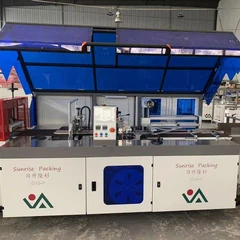
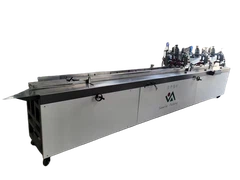
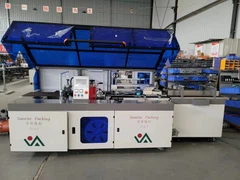
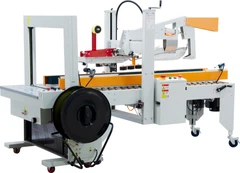
At our company, we offer a wide range of plastic film sealers, including the Automatic Plastic Packing Machine, Automatic Plastic Bag Sealing Machine, and Transparent Film 3D Packaging Machine. All our machines are designed with user - friendly temperature adjustment features to ensure that you can easily achieve the perfect seal for your products.
Our sealers are equipped with high - precision temperature sensors and advanced control systems, which allow for accurate temperature regulation. Whether you're working with thin or thick plastic films, our machines can be adjusted to meet your specific requirements.
Conclusion
Properly adjusting the temperature of a plastic film sealer is essential for achieving high - quality seals and ensuring the success of your packaging operations. By understanding the factors that affect temperature, following the adjustment steps, and using advanced techniques, you can optimize the performance of your sealer.
If you're in the market for a new plastic film sealer or need more information on temperature adjustment, we're here to help. Our team of experts can provide you with detailed guidance and support to ensure that you choose the right machine for your needs and get the most out of it. Contact us today to start a procurement discussion and take your packaging to the next level.
References
- Manufacturer's manuals of plastic film sealers
- Industry research on plastic film sealing technology
- Technical documents on plastic materials and their melting points
Send Inquiry