




How often should a belt conveyor be maintained?
Jan 12, 2026
Leave a message
How often should a belt conveyor be maintained?
As a seasoned supplier in the domain of belt conveyors, I often encounter inquiries from clients regarding the optimal maintenance frequency for these essential industrial assets. Belt conveyors are the backbone of numerous industries, facilitating the seamless movement of materials across different stages of production. Ensuring they are well - maintained is crucial not only for their longevity but also for the overall efficiency and productivity of the operations they support.
Understanding the Basics of Belt Conveyor Maintenance
Before delving into the maintenance frequency, it's vital to understand what belt conveyor maintenance entails. A comprehensive maintenance routine comprises several key aspects. Firstly, the physical inspection of the conveyor belt is indispensable. This involves checking for signs of wear, such as cracks, tears, or fraying on the belt surface. The belt's tension also needs to be monitored regularly. An overly tight belt can lead to excessive wear on the bearings and motor, while a loose belt may cause slipping, resulting in inefficient material transfer.
Secondly, the rollers and pulleys that support and drive the belt must be inspected. They should rotate freely without any signs of binding or excessive noise. Any debris or build - up on the rollers can cause uneven wear on the belt and disrupt the smooth operation of the conveyor. Additionally, the motor and drive system, which are responsible for powering the conveyor, need to be serviced to ensure they are functioning optimally.
Factors Influencing Maintenance Frequency
The frequency of belt conveyor maintenance is not a one - size - fits - all scenario. Multiple factors come into play when determining how often maintenance should be carried out.
Operating Environment
One of the most significant factors is the operating environment. Conveyor belts that operate in harsh conditions, such as in mines with high levels of dust, or in chemical plants where they are exposed to corrosive substances, require more frequent maintenance. The dust can accumulate on the rollers and pulleys, causing increased friction and wear. In a corrosive environment, the metal components of the conveyor can rust and deteriorate rapidly. For example, in a coal mine, where coal dust is ubiquitous, a belt conveyor may need to be inspected and maintained weekly to prevent dust - related issues from escalating.
Usage Intensity
The intensity of usage also has a major impact on maintenance frequency. A belt conveyor that runs continuously for 24 hours a day, seven days a week, will experience more wear and tear compared to one that operates only a few hours a day. High - usage conveyors are more likely to develop problems such as belt stretching or motor overheating. In a busy manufacturing plant where the conveyor is in constant use to move products along the assembly line, monthly in - depth maintenance checks are often necessary, along with weekly visual inspections.
Material Being Transported
The type of material being transported is another crucial consideration. Conveying abrasive materials like gravel or sand will cause more wear on the belt compared to transporting lighter, less abrasive items such as packaged goods. When transporting sharp or heavy objects, there is also a higher risk of the belt getting punctured or damaged. For instance, a conveyor used to move scrap metal may require more frequent maintenance to address potential damage to the belt and other components.
General Maintenance Frequency Guidelines
Based on the above factors, we can provide some general guidelines for belt conveyor maintenance.
Daily Checks
Even if the conveyor is not in high - intensity use or a harsh environment, daily checks are recommended. Operators should visually inspect the conveyor for any obvious signs of damage, such as a torn belt or a misaligned roller. They can also listen for any unusual noises coming from the motor or drive system, which could indicate a problem. These quick daily checks can help catch minor issues before they turn into major problems.
Weekly Inspections
For conveyors operating in normal conditions with moderate usage, weekly inspections are a good practice. During these inspections, the belt tension should be checked and adjusted if necessary. The rollers and pulleys should be cleaned to remove any debris, and their rotation should be verified. Additionally, the electrical connections of the motor and control system can be inspected for any signs of loose wires or corrosion.
Monthly Maintenance
Monthly maintenance is more in - depth and should be carried out by trained technicians. This includes a thorough inspection of the entire conveyor structure, including the frame and supports, to ensure they are stable and free from damage. The motor and drive system can be serviced, with the motor's lubrication levels checked and replaced if needed. The belt can also be measured for wear, and any necessary repairs or replacements can be planned.
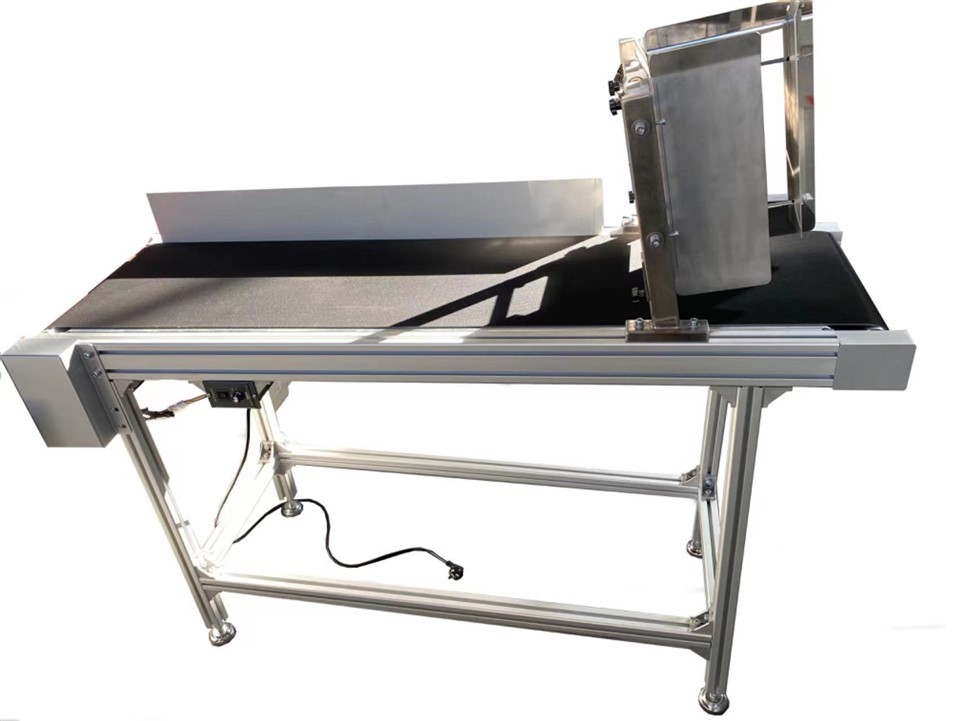

Quarterly and Annual Maintenance
Quarterly maintenance may involve more detailed testing of the conveyor's performance, such as measuring its speed and efficiency. Annual maintenance is a comprehensive overhaul where major components like the motor, gearbox, and belt may be replaced if they have reached the end of their service life. This is also an opportunity to upgrade the conveyor with the latest technology to improve its performance and reliability.
The Importance of Regular Maintenance
Regular maintenance of belt conveyors offers numerous benefits. Firstly, it enhances safety in the workplace. A well - maintained conveyor is less likely to malfunction, reducing the risk of accidents such as belt slippage or component failure. Secondly, it improves the efficiency of the conveyor. By keeping the belt tension correct and the rollers clean, the conveyor can operate at its optimal speed, resulting in faster material transfer and increased productivity.
Moreover, regular maintenance extends the lifespan of the conveyor, saving costs in the long run. Replacing a belt conveyor is a significant investment, and by properly maintaining it, companies can postpone these costly replacements.
Conclusion and Call to Action
In conclusion, the maintenance frequency of a belt conveyor depends on a variety of factors, including the operating environment, usage intensity, and the material being transported. By following the general guidelines outlined above, companies can ensure the smooth and efficient operation of their belt conveyors.
As a leading supplier of belt conveyors, we have a wealth of experience in providing high - quality Conveyor Belt Equipment and services. Our team of experts can help you develop a customized maintenance plan tailored to your specific needs. Whether you are looking for new Belt Conveyor Manufacturers or need advice on Packing Conveyor maintenance, we are here to assist you.
If you are interested in learning more about our products and services or would like to discuss the maintenance requirements of your belt conveyor, we encourage you to reach out to us. We look forward to the opportunity to work with you and help you optimize the performance of your conveyor systems.
References
- "Belt Conveyor Handbook", Industrial Conveyor Association
- "Maintenance Best Practices for Material Handling Equipment", Journal of Manufacturing Technology
Send Inquiry