



How does a power belt conveyor work?
Jan 13, 2026
Leave a message
Alright, folks! As a supplier of power belt conveyors, I'm stoked to dive into how these bad boys work. These machines are pretty common in a ton of industries, from manufacturing to logistics, and they're super useful. So, let's get right into it!
Basic Components of a Power Belt Conveyor
First off, we gotta talk about what makes up a power belt conveyor. There are a few key components that work together like a well - oiled machine.
1. Conveyor Belt
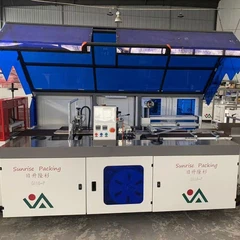
The conveyor belt is the star of the show. It's like the moving highway for all the goods. This belt is usually made of rubber, plastic, leather, or a combination of materials. The choice of material depends on what it'll be carrying. For example, if you're moving food items, you'll want a food - grade belt. The belt loops around the conveyor and is what actually transports the stuff from one place to another. You can check out different Conveyor Belt Equipment on our website to see the variety available.
2. Pulleys
Pulleys are the wheels that the conveyor belt runs around. There are at least two pulleys in a basic conveyor setup: the drive pulley and the idler pulley. The drive pulley is connected to a motor, and it's the one that makes the belt move. It provides the power to get things rolling. The idler pulley, on the other hand, just helps support the belt and keep it in place. Some conveyors have multiple idler pulleys to handle longer belts.
3. Motor
The motor is the powerhouse of the conveyor. It gives the drive pulley the energy it needs to turn and move the belt. Motors can come in different sizes and power ratings depending on how heavy the load is and how fast the conveyor needs to run. A small conveyor in a light - duty workshop might have a relatively small motor, while a large - scale industrial conveyor can have a huge, high - powered motor.
4. Frame
The frame is the structure that holds everything together. It provides support for the belt, pulleys, and motor. The frame is usually made of steel or aluminum, which are strong and durable materials. It needs to be sturdy to handle the weight of the goods being transported and the forces generated by the moving belt.
How It All Works
Now that we know the components, let's see how they work together.
Starting the Process
When you turn on the power to the conveyor, the motor starts running. The motor is connected to the drive pulley, and as it spins, it makes the drive pulley turn. The friction between the belt and the drive pulley causes the belt to start moving. It's like when you turn on a treadmill and the belt starts rolling.
Moving the Load
Once the belt is in motion, you can place your items on the belt at one end. The belt then moves these items along to the other end. The speed at which the items move depends on the speed of the belt, which is controlled by the motor. You can adjust the speed of the motor to make the conveyor run faster or slower, depending on your needs.
Maintaining the Movement
As the belt moves, the idler pulleys support it and keep it in the right position. Without these pulleys, the belt could sag or come off the track. They ensure a smooth and continuous movement of the belt.
Different Configurations
Power belt conveyors can come in different configurations to suit different applications.
Straight Conveyors
The most basic type is the straight conveyor. It's just a straight line of belt moving from one point to another. These are great for simple transportation tasks, like moving boxes from one end of a warehouse to the other.
Incline/Decline Conveyors
Sometimes, you need to move items up or down. That's where incline or decline conveyors come in. They're designed to transport goods at an angle. Special features like cleats or sidewalls are often added to the belt to prevent the items from sliding off during the ascent or descent. You can check out our Packing Conveyor section for some incline - decline options.
Curved Conveyors
In some setups, you need the conveyor to turn a corner. Curved conveyors are designed for this purpose. They have a curved belt that can move items around a bend. This is really handy in factories where space is limited and you need to route the conveyor in a non - straight path.
Applications in Different Industries
Power belt conveyors are used in a wide range of industries because of their versatility.


Manufacturing
In manufacturing plants, conveyor belts are used to move parts along the production line. For example, in an auto - manufacturing plant, conveyor belts can transport car parts from one assembly station to the next. This helps speed up the production process and ensures a smooth flow of materials.
Food Industry
In the food industry, power belt conveyors are used to move food products during processing and packaging. They're designed to meet strict hygiene standards, with easy - to - clean belts and components. This ensures that the food remains safe and uncontaminated.
Logistics and Warehousing
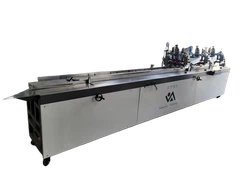
In logistics and warehousing, conveyors are used to move packages and pallets. They can sort items based on their destination, making the shipping and receiving process much more efficient. You can find some great Power Belt Conveyors on our site that are perfect for these applications.
Advantages of Power Belt Conveyors
There are several reasons why power belt conveyors are so popular.
Efficiency
They can move a large amount of goods quickly and continuously. This helps increase productivity in industries where time is money.
Flexibility
As we've seen, they can be configured in different ways to suit different needs. Whether you need a straight, incline, decline, or curved conveyor, there's an option for you.
Safety
Compared to some other methods of moving heavy items, conveyor belts are relatively safe. They reduce the need for manual handling, which can lead to fewer workplace injuries.
Why Choose Our Power Belt Conveyors
As a supplier, we take pride in offering high - quality power belt conveyors. Our conveyors are built with durable materials, ensuring a long lifespan. We have a wide range of options to choose from, whether you need a small - scale conveyor for a workshop or a large - scale industrial one. Our team of experts can also help you select the right conveyor for your specific needs.
If you're in the market for a power belt conveyor, we'd love to talk to you. Whether you have questions about how they work or need help choosing the right one for your business, don't hesitate to reach out. We're here to make the process as easy as possible for you.
References
- "Conveyor Belt Handbook" by Conveyor Belt Association
- "Industrial Conveyor Systems: Design and Operation" by John Doe
- Various industry - specific research papers on conveyor technology
Send Inquiry