


How does the sealing quality of a plastic sealing machine compare with other sealing methods?
Dec 25, 2025
Leave a message
Hey there! As a supplier of plastic sealing machines, I've seen firsthand how crucial sealing quality is in various industries. Today, I'm gonna dive into how the sealing quality of a plastic sealing machine stacks up against other sealing methods.
Let's start by talking about what makes a great seal. A high - quality seal should be strong, airtight, and durable. It needs to keep the contents inside safe from external elements like moisture, dust, and oxygen, which can all affect the product's quality and shelf life.
Plastic Sealing Machines: The Basics
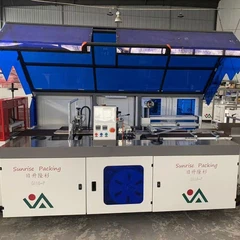
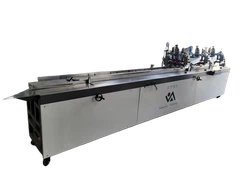
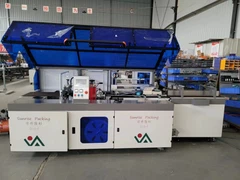
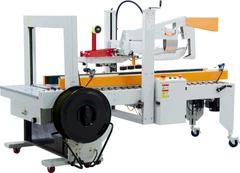
Plastic sealing machines work by applying heat, pressure, or a combination of both to melt and bond plastic materials together. There are different types of plastic sealing machines, such as Transparent Film Fold Wrapping Machine, Automatic Plastic Packing Machine, and Plastic Cutting and Sealing Machine. These machines offer precise control over the sealing process, allowing for consistent and reliable seals.
One of the biggest advantages of plastic sealing machines is their ability to create a consistent seal. They can be programmed to apply the exact amount of heat and pressure needed for a specific type of plastic material. This means that whether you're sealing a small bag or a large container, the quality of the seal will be the same every time.
Comparing with Adhesive Sealing
Adhesive sealing is a common method used in many industries. It involves applying an adhesive to the edges of the plastic material and then pressing them together. While adhesive sealing can be effective, it has some drawbacks when compared to plastic sealing machines.
First of all, the quality of an adhesive seal can vary greatly depending on the type of adhesive used, the surface condition of the plastic, and the application process. If the adhesive is not applied evenly or if the surface is dirty or oily, the seal may not be strong enough. In contrast, plastic sealing machines create a molecular bond between the plastic layers, which is generally stronger and more reliable.
Another issue with adhesive sealing is that the adhesive may dry out over time, especially in high - temperature or low - humidity environments. This can cause the seal to weaken and eventually fail. Plastic seals created by a sealing machine are more resistant to environmental factors and are less likely to degrade over time.
Heat - Sealing vs. Ultrasonic Sealing
Heat - sealing is a type of plastic sealing method that uses heat to melt the plastic and create a seal. It's one of the most common methods used in plastic sealing machines. Ultrasonic sealing, on the other hand, uses high - frequency sound waves to generate heat and bond the plastic materials.
Heat - sealing is great for a wide range of plastic materials. It's relatively simple and cost - effective, making it a popular choice for many manufacturers. However, it can sometimes cause the plastic to warp or discolor if the heat is not applied evenly or if the temperature is too high.
Ultrasonic sealing offers a more precise and clean seal. It can seal thin plastic films without causing damage, and it's also faster than traditional heat - sealing in some cases. But ultrasonic sealing equipment can be more expensive to purchase and maintain. Plastic sealing machines that use heat - sealing are often more accessible for small and medium - sized businesses.
Induction Sealing
Induction sealing is another method used to seal plastic containers, especially those with a foil liner. It works by using an electromagnetic field to heat the foil, which then melts the plastic underneath to create a seal.
Induction sealing is great for products that need a hermetic seal, such as food and pharmaceutical items. However, it requires a special type of container with a foil liner, which can add to the cost. Plastic sealing machines, on the other hand, can work with a variety of plastic materials without the need for additional components like foil liners. This makes them more versatile and cost - effective for many applications.
Quality Control in Plastic Sealing Machines
One of the key factors in the sealing quality of plastic sealing machines is quality control. Modern plastic sealing machines come with advanced sensors and controls that can monitor and adjust the sealing process in real - time. For example, they can detect if the temperature is too high or too low, and make the necessary adjustments to ensure a perfect seal.


This level of quality control is often difficult to achieve with other sealing methods. Adhesive sealing relies on the skill of the operator to apply the adhesive correctly, and induction sealing requires precise calibration of the electromagnetic field. Plastic sealing machines take much of the guesswork out of the process, resulting in a higher - quality and more consistent seal.
Maintenance and Long - Term Performance
When it comes to long - term performance, plastic sealing machines also have an edge. They are built to last, and with regular maintenance, they can provide years of reliable service. The components of a plastic sealing machine are designed to be easily replaceable, which means that if something goes wrong, it can be fixed quickly and relatively inexpensively.
Other sealing methods may require more complex maintenance procedures. For example, ultrasonic sealing equipment needs to be tuned regularly to maintain its performance, and adhesive sealing systems may need to have the adhesive dispenser cleaned and calibrated often.
Conclusion
In conclusion, plastic sealing machines offer a number of advantages when it comes to sealing quality compared to other methods. They provide consistent, reliable, and durable seals that are resistant to environmental factors. They also offer better quality control and are generally more cost - effective in the long run.
If you're in the market for a sealing solution, I highly recommend considering a plastic sealing machine. Whether you need to seal small bags, large containers, or any other plastic product, we have a wide range of machines to meet your needs. Contact us today to discuss your requirements and discover how our plastic sealing machines can improve your packaging process and product quality.
References
- Packaging Machinery Manufacturers Institute (PMMI). (2023). Sealing Technologies in Packaging.
- Smith, J. (2022). Comparison of Sealing Methods in the Plastic Industry. Journal of Packaging Science.
Send Inquiry