



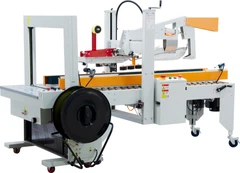
What is the weight of a case packer for packing?
Aug 04, 2025
Leave a message
What is the weight of a case packer for packing?
In the dynamic world of packaging, case packers play a pivotal role in streamlining operations and ensuring products are efficiently packed into cases for storage and transportation. As a supplier of case packers for packing, I often encounter inquiries regarding the weight of these machines. Understanding the weight of a case packer is crucial for various reasons, including installation, transportation, and floor loading capacity. In this blog post, I will delve into the factors that influence the weight of a case packer and why it matters in the packaging industry.
Factors Affecting the Weight of a Case Packer
Machine Size and Configuration
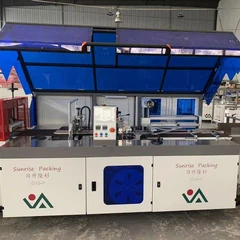
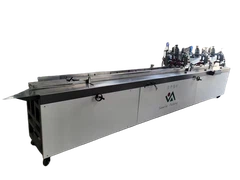
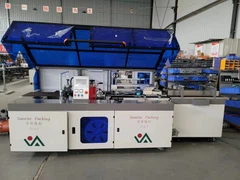
One of the primary factors influencing the weight of a case packer is its size and configuration. Larger case packers with more advanced features and capabilities tend to be heavier than smaller, more basic models. For instance, a high - speed case packer designed to handle large volumes of products per minute will typically have a larger frame, more complex mechanisms, and additional components, all of which contribute to its overall weight. On the other hand, a compact case packer intended for small - scale operations may be significantly lighter due to its reduced size and simpler design.
Materials Used in Construction
The materials used in the construction of a case packer also have a substantial impact on its weight. Case packers are commonly made from a combination of metals, such as steel and aluminum. Steel is a popular choice for its strength and durability, but it is also relatively heavy. Aluminum, on the other hand, is lighter than steel while still offering good strength - to - weight ratio. Some case packers may use a combination of these materials, with steel used for structural components and aluminum for non - load - bearing parts to optimize weight without sacrificing performance.
Additional Features and Accessories
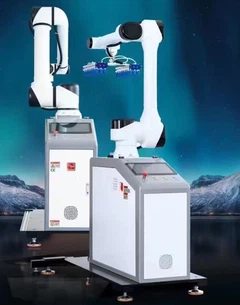
Case packers can be equipped with a variety of additional features and accessories, such as automatic product feeders, robotic arms, and vision systems. These features enhance the functionality and efficiency of the case packer but also add to its weight. For example, a case packer with a robotic arm for precise product placement will be heavier than a model without this feature due to the additional mechanical components and the weight of the robot itself. Similarly, a vision system that uses cameras and sensors to inspect products and ensure proper packing adds electronic components and cabling, increasing the overall weight of the machine.
Why the Weight of a Case Packer Matters
Installation and Floor Loading Capacity
The weight of a case packer is a critical consideration during the installation process. Before installing a case packer, it is essential to ensure that the floor where the machine will be placed can support its weight. Industrial floors have specific load - bearing capacities, and exceeding these limits can lead to structural damage and safety hazards. Therefore, knowing the weight of the case packer allows for proper planning and preparation of the installation site, including reinforcing the floor if necessary.
Transportation
Transporting a case packer from the manufacturing facility to the customer's site also requires careful consideration of its weight. Heavy case packers may require specialized transportation equipment, such as large trucks or cranes, to ensure safe and efficient delivery. Additionally, the weight of the machine can affect shipping costs, as carriers often charge based on the weight and size of the cargo. By accurately knowing the weight of the case packer, customers can make informed decisions about transportation options and budget accordingly.
Operational Efficiency
In some cases, the weight of a case packer can impact its operational efficiency. A heavier machine may require more energy to operate, which can increase operating costs over time. Moreover, a machine that is too heavy may be more difficult to move or reposition within a production facility, limiting flexibility in the layout of the packaging line. Therefore, finding a balance between the weight of the case packer and its performance is crucial for achieving optimal operational efficiency.
Examples of Case Packer Weights
To provide a better understanding of the range of weights for case packers, let's consider some examples. A small, entry - level case packer designed for low - volume applications may weigh around 500 to 1000 kilograms. These machines are typically used in small businesses or for packaging light - weight products.


On the other hand, a large, high - speed case packer used in large - scale manufacturing facilities can weigh anywhere from 2000 to 5000 kilograms or more. These machines are built to handle high volumes of products at a fast pace and are often equipped with advanced features and accessories, which contribute to their heavier weight.
Related Products and Their Importance
In addition to case packers, there are several related products in the packaging industry that play important roles in the overall packaging process. The Universal Food Packaging Machine is a versatile piece of equipment that can be used to package a wide variety of food products. It can handle different types of packaging materials and product shapes, making it a valuable asset in the food packaging industry.
The Box Open Machine is another essential tool in the packaging line. It is designed to automatically open flat boxes, preparing them for product packing. This machine improves efficiency by eliminating the need for manual box opening, reducing labor costs and increasing productivity.
The Automatic Carton Sealing Machine is used to seal cartons after they have been filled with products. It ensures a secure and consistent seal, protecting the products during storage and transportation. These machines come in various sizes and configurations to meet the specific needs of different packaging operations.
Conclusion
In conclusion, the weight of a case packer is influenced by several factors, including its size, the materials used in construction, and the additional features and accessories it is equipped with. Understanding the weight of a case packer is important for installation, transportation, and operational efficiency. By considering these factors, customers can make informed decisions when choosing a case packer that meets their specific requirements.
If you are in the market for a case packer or any of the related packaging equipment mentioned in this blog post, we are here to assist you. Our team of experts can provide detailed information about the weights, features, and capabilities of our products. We are committed to helping you find the best packaging solutions for your business. Contact us today to start the procurement discussion and take your packaging operations to the next level.
References
- Packaging Machinery Manufacturers Institute (PMMI). (2023). Industry Trends in Packaging Equipment.
- Smith, J. (2022). Handbook of Packaging Technology.
Send Inquiry