


What is the power source of a stacker?
Oct 20, 2025
Leave a message
Hey there! As a stacker supplier, I often get asked about the power source of stackers. It's a crucial question because the power source determines how the stacker operates, its efficiency, and its overall performance. So, let's dive into the different power sources that stackers can use.
Electric Power
One of the most common power sources for stackers is electricity. Electric stackers are super popular for a bunch of reasons. First off, they're clean. They don't emit any harmful fumes, which makes them perfect for indoor use, like in warehouses or distribution centers. You won't have to worry about air quality issues or ventilation systems to deal with exhaust.
Another great thing about electric stackers is that they're quiet. Unlike some other power sources, electric motors run smoothly and quietly. This is a huge plus in work environments where noise can be a distraction or a safety hazard. You can operate an electric stacker without disturbing your colleagues or causing a ruckus in the workplace.
Electric stackers are also relatively easy to maintain. The electrical components are usually well - protected, and there aren't as many moving parts compared to some other power systems. You just need to make sure to keep the battery charged and in good condition. Most modern electric stackers come with advanced battery management systems that help extend the battery life and optimize charging.
There are two main types of electric stackers: those with built - in batteries and those that are connected to a power outlet. Battery - powered stackers offer more flexibility. You can move them around freely without being tethered to a power cord. They're great for tasks that require mobility, like moving pallets in different areas of a large warehouse. On the other hand, stackers connected to a power outlet are ideal for operations where the stacker will be used in a fixed location for long periods. They don't have to worry about battery life and can operate continuously as long as there's power.
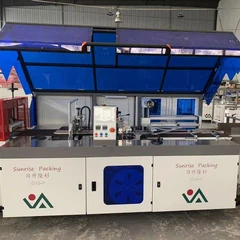
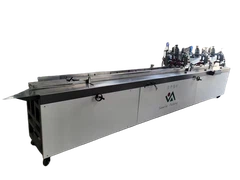
If you're interested in an electric stacker, you might want to check out our Automatic Book Stacker. It's an efficient and reliable electric stacker designed specifically for handling books in libraries or bookstores.
Hydraulic Power
Hydraulic power is another important power source for stackers. Hydraulic stackers use hydraulic fluid to generate the force needed to lift and lower loads. The basic principle behind hydraulic power is Pascal's law, which states that pressure applied to a confined fluid is transmitted equally in all directions.
One of the main advantages of hydraulic stackers is their high lifting capacity. They can handle heavy loads with ease, making them suitable for industrial applications where large and heavy pallets need to be moved. Hydraulic systems are also very durable. The hydraulic components are designed to withstand high pressures and heavy use, so they have a long service life.
However, hydraulic stackers do have some drawbacks. They require regular maintenance to prevent leaks and ensure the proper functioning of the hydraulic system. Hydraulic fluid needs to be changed periodically, and any signs of leakage need to be addressed immediately. Also, hydraulic stackers can be a bit noisy compared to electric ones, especially when the hydraulic pump is running.
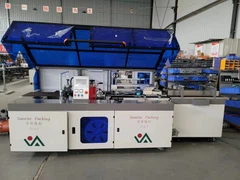
Our Packing Stacker uses a hydraulic power system. It's a robust and powerful stacker that can handle a variety of packing materials and products, making it a great choice for packing facilities.
Manual Power
In some cases, manual stackers are still used. Manual stackers rely on human effort to operate. They're usually small and lightweight, and they're perfect for light - duty tasks or in situations where electricity or hydraulic power isn't available.
Manual stackers are very simple to use. You just need to pump a handle up and down to lift the load. They're also very affordable, making them a cost - effective option for small businesses or startups. However, they have limited lifting capacity and are not suitable for heavy or frequent lifting tasks.
Manual stackers are great for small workshops, retail stores, or for moving small pallets in a confined space. They're easy to maneuver and don't require any special training to operate.
Fuel - Powered
Fuel - powered stackers, such as those running on gasoline, diesel, or propane, are less common but still have their uses. These stackers are typically used in outdoor applications where there's no access to electricity.


Gasoline and diesel - powered stackers are very powerful and can handle heavy loads over long distances. They're often used in construction sites, ports, or large outdoor warehouses. However, they emit exhaust fumes, so they're not suitable for indoor use. They also require regular maintenance, including oil changes and tune - ups.
Propane - powered stackers are a bit cleaner than gasoline or diesel ones. They produce fewer emissions and are quieter. They're a good option for outdoor operations where you want to reduce the environmental impact.
Choosing the Right Power Source
When choosing a stacker, the power source is a critical factor. You need to consider the type of work you'll be doing, the load capacity you need, the working environment, and your budget.
If you're working indoors, an electric stacker is probably the best choice. It's clean, quiet, and easy to maintain. For heavy - duty industrial applications, a hydraulic stacker might be more suitable. If you're on a tight budget or need a simple solution for light - duty tasks, a manual stacker could be the way to go. And for outdoor operations without access to electricity, fuel - powered stackers are an option.
We're here to help you make the right decision. Our team of experts can provide you with detailed information about our stackers and help you choose the one that best fits your needs. Whether you need an Automatic Book Stacker for your library or a Packing Stacker for your packing facility, we've got you covered.
If you're interested in purchasing a stacker or have any questions about our products, don't hesitate to get in touch. We're always happy to have a chat and discuss your requirements. We can offer you the best solutions and the most competitive prices in the market.
References
- "Material Handling Equipment Handbook" - A comprehensive guide on different types of material handling equipment, including stackers and their power sources.
- "Industrial Hydraulics Manual" - Provides in - depth knowledge about hydraulic systems used in industrial equipment like stackers.
- Various manufacturer websites for stackers, which offer detailed product specifications and information about power sources.
Send Inquiry