


What is the performance of a heat shrink packing machine in a cold environment?
May 21, 2025
Leave a message
Yo, what's up everyone! I'm a supplier of heat shrink packing machines, and today I wanna talk about how these machines perform in a cold environment.
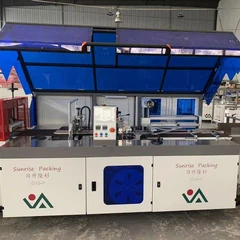
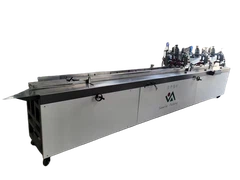
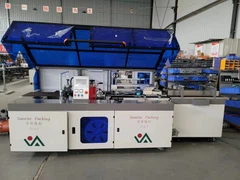
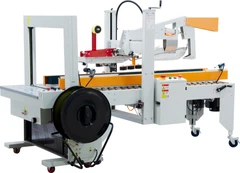
First off, let's get into the basics. Heat shrink packing machines are pretty awesome. They use heat to shrink a plastic film around a product, creating a tight and protective seal. This is super useful for all kinds of industries, from food and beverage to electronics and more. You can check out our Film Shrink Machine for a great example of this technology in action.
But what happens when the temperature drops? Well, the performance of a heat shrink packing machine can be affected in a few ways.
Impact on the Shrink Film
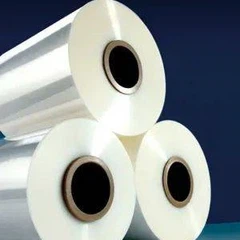
The shrink film is a key component of the whole process. In a cold environment, the film becomes stiffer and less flexible. This can make it harder for the film to conform to the shape of the product during the shrinking process. You might end up with wrinkles or uneven shrinkage, which isn't exactly what you want for a professional-looking package.
For instance, if you're using a Shrink Packing Machine For Milk Box in a cold warehouse, the film might not shrink smoothly around the milk boxes. It could leave gaps or create a lumpy appearance. This not only looks bad but can also compromise the protection the film is supposed to provide.
Effect on the Heating System
The heating system of the heat shrink packing machine is another area that can be affected by cold temperatures. Most machines rely on heaters to generate the heat needed to shrink the film. In a cold environment, these heaters have to work harder to reach and maintain the optimal temperature.


Think about it like this: it's like trying to warm up a cold room. If it's really cold outside, your heater has to use more energy to keep the room at a comfortable temperature. The same goes for the heat shrink packing machine. The heaters might take longer to heat up, and they might consume more power in the process. This can lead to increased operating costs and slower production speeds.
Our Heat Shrink Furnace For Packing is designed to be efficient, but in a cold environment, it might face some challenges. The furnace has to heat up the air inside to shrink the film, and if the surrounding air is cold, it's going to be an uphill battle.
Lubrication and Mechanical Parts
Cold temperatures can also have an impact on the lubrication and mechanical parts of the machine. Lubricants tend to thicken in the cold, which can cause increased friction in the moving parts. This can lead to wear and tear on the machine and potentially cause breakdowns.
For example, the conveyor belts and rollers in the heat shrink packing machine rely on smooth movement to transport the products through the shrinking process. If the lubrication is affected by the cold, these parts might not move as freely, which can disrupt the production line.
Solutions to Improve Performance
So, what can you do to make sure your heat shrink packing machine performs well in a cold environment?
Pre - warming the Film
One solution is to pre - warm the shrink film before it goes through the machine. You can use a simple heating element or a small oven to gently warm the film. This will make it more flexible and easier to shrink.
Insulating the Machine
Insulating the heat shrink packing machine can also help. You can use insulating materials to wrap around the machine, especially the heating components. This will help the machine retain heat and reduce the amount of energy it needs to maintain the right temperature.
Using Special Lubricants
There are special lubricants available that are designed to work well in cold temperatures. These lubricants won't thicken as much as regular ones, which can help keep the mechanical parts moving smoothly.
Case Studies
Let me share a couple of case studies to give you a better idea of how these issues play out in real - world scenarios.
A customer of ours who had a Shrink Packing Machine For Milk Box in a cold storage facility was having problems with uneven shrinkage. After trying pre - warming the film, they noticed a significant improvement. The film was more flexible, and the packages looked much better.
Another customer using a Heat Shrink Furnace For Packing in a cold factory found that insulating the furnace helped reduce their energy consumption. The furnace was able to maintain the right temperature more easily, and the production speed increased.
Conclusion
In conclusion, a cold environment can definitely pose some challenges for heat shrink packing machines. But with the right strategies, you can overcome these issues and keep your production running smoothly.
If you're in the market for a heat shrink packing machine or need advice on how to improve the performance of your existing machine in a cold environment, don't hesitate to reach out. We're here to help you get the most out of your equipment. Whether it's our Film Shrink Machine, Shrink Packing Machine For Milk Box, or Heat Shrink Furnace For Packing, we've got the expertise to make sure you're satisfied. So, if you're interested in learning more or making a purchase, just get in touch, and we'll start the conversation.
References
- "Packaging Machinery Handbook" - A comprehensive guide on various packaging machines and their performance factors.
- Industry research reports on the impact of environmental conditions on packaging equipment.
Send Inquiry