


What is the operating temperature range of a stacker?
Aug 13, 2025
Leave a message
Hey there! As a stacker supplier, I often get asked about the operating temperature range of stackers. It's a crucial factor that can significantly impact the performance and lifespan of these machines. So, let's dive right into it and explore what the ideal operating temperature range for a stacker is and why it matters.
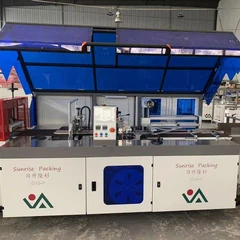
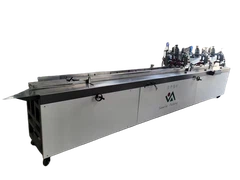
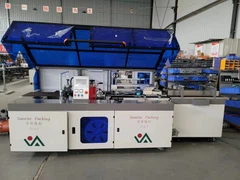
First off, it's important to understand that different types of stackers have different temperature requirements. For instance, a Packing Stacker used in a warehouse setting might have different needs compared to an Automatic Book Stacker in a library environment. However, in general, most stackers are designed to operate within a specific temperature range to ensure optimal performance.
Typically, the operating temperature range for a stacker falls between 5°C and 40°C (41°F and 104°F). This range is considered ideal because it allows the stacker's components to function smoothly without being affected by extreme temperatures. When the temperature is too low, the lubricants in the machine can thicken, which can lead to increased friction and wear on the moving parts. This can result in decreased efficiency, increased energy consumption, and even mechanical failures over time.
On the other hand, when the temperature is too high, the electronic components in the stacker can overheat. This can cause malfunctions, data loss, and in severe cases, permanent damage to the machine. Additionally, high temperatures can also affect the battery life of stackers that are powered by batteries, reducing their operating time and requiring more frequent charging.
Let's take a closer look at how different temperature conditions can impact the performance of a stacker.
Cold Temperatures
In cold environments, the first thing you'll notice is that the stacker might take a bit longer to start up. The cold can slow down the chemical reactions in the battery, reducing its output voltage. This can make it harder for the stacker to get going, especially if it's been sitting idle for a while.
Once the stacker is up and running, you might also notice that it moves a bit sluggishly. The thickened lubricants can make the hydraulic and mechanical systems less responsive, which can affect the stacker's lifting and stacking capabilities. This can lead to slower operation times and reduced productivity.
To combat the effects of cold temperatures, it's important to store the stacker in a heated area when it's not in use. If that's not possible, you can use insulation blankets or heating pads to keep the machine warm. You should also make sure to use lubricants that are specifically designed for cold weather conditions.


Hot Temperatures
In hot environments, the biggest concern is overheating. The electronic components in the stacker, such as the motors, controllers, and sensors, generate heat during operation. In high temperatures, this heat can build up quickly, causing the components to malfunction.
One of the first signs of overheating is a decrease in performance. The stacker might start to slow down, or it might experience intermittent power loss. If the overheating continues, it can lead to more serious problems, such as permanent damage to the electronic components.
To prevent overheating, it's important to ensure that the stacker has proper ventilation. Make sure that the air intake and exhaust vents are not blocked, and that the machine is not placed in direct sunlight or near other sources of heat. You can also use fans or air conditioning units to keep the operating environment cool.
Other Factors to Consider
In addition to temperature, there are other environmental factors that can affect the performance of a stacker. Humidity, for example, can cause corrosion and rust on the metal components of the machine. Dust and debris can also clog the air filters and ventilation systems, reducing the stacker's efficiency.
It's important to take these factors into account when determining the operating temperature range for a stacker. For example, in a humid environment, you might need to adjust the temperature range slightly to prevent corrosion. Similarly, in a dusty environment, you might need to clean the air filters more frequently to ensure proper ventilation.
Tips for Maintaining Optimal Temperature
Here are some tips to help you maintain the optimal operating temperature for your stacker:
- Monitor the Temperature: Use a thermometer to regularly check the temperature of the operating environment. This will help you identify any potential issues before they become serious problems.
- Provide Adequate Ventilation: Make sure that the stacker has plenty of space around it for air to circulate. This will help prevent overheating and ensure that the machine operates efficiently.
- Use Insulation and Heating/Cooling Systems: In extreme temperature conditions, consider using insulation blankets, heating pads, fans, or air conditioning units to keep the stacker within the optimal temperature range.
- Regular Maintenance: Schedule regular maintenance checks for your stacker to ensure that all the components are in good working condition. This includes checking the lubricants, filters, and electrical connections.
Conclusion
In conclusion, the operating temperature range of a stacker is a critical factor that can significantly impact its performance and lifespan. By understanding the ideal temperature range and taking steps to maintain it, you can ensure that your stacker operates efficiently and reliably for years to come.
If you're in the market for a new stacker or if you have any questions about the operating temperature range of your existing stacker, don't hesitate to reach out. We're here to help you find the right solution for your needs and ensure that your stacker performs at its best.
Let's start a conversation about how we can meet your stacker requirements. Whether you're looking for a Packing Stacker or an Automatic Book Stacker, we've got you covered. Contact us today to discuss your options and get a quote.
References
- "Industrial Equipment Temperature Guidelines." Industrial Equipment Handbook.
- "Best Practices for Operating Stackers in Extreme Temperatures." Warehouse Management Journal.
Send Inquiry