


What is the maximum load capacity of a stacker?
Dec 15, 2025
Leave a message
What is the maximum load capacity of a stacker?
As a seasoned supplier in the stacker industry, I often encounter inquiries regarding the maximum load capacity of stackers. This is a crucial aspect that businesses need to understand, as it directly impacts the efficiency and safety of their operations. In this blog post, I'll delve into the factors that determine the maximum load capacity of a stacker and provide insights to help you make informed decisions.
Understanding Stacker Load Capacity
The maximum load capacity of a stacker refers to the maximum weight that the stacker can safely lift, transport, and stack. This capacity is not a one - size - fits - all specification; it varies depending on several factors.
One of the primary factors is the design and construction of the stacker. Stackers come in different types, such as manual stackers, semi - automatic stackers, and fully automatic stackers. Each type has a different structural design and is built with specific materials to handle varying loads. For example, a manual stacker is typically designed for lighter loads, usually ranging from a few hundred kilograms to around 1 - 2 tons. These stackers are often used in small warehouses or retail stores where the volume of goods is relatively low.
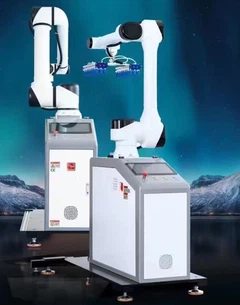
On the other hand, semi - automatic and fully automatic stackers can handle much heavier loads. They are commonly used in large - scale distribution centers, manufacturing plants, and logistics hubs. These stackers are equipped with powerful motors, robust lifting mechanisms, and sturdy frames to support loads that can range from 2 tons up to 5 tons or even more in some heavy - duty industrial applications.


Another factor that affects the load capacity is the height at which the load needs to be stacked. As the lifting height increases, the stability of the stacker becomes a critical concern. A stacker may have a higher load capacity at lower lifting heights, but as it raises the load to greater heights, the center of gravity shifts, and the stacker's ability to handle heavy loads decreases. For instance, a stacker might be able to lift 3 tons at a height of 2 meters, but when the lifting height is increased to 5 meters, its maximum load capacity could be reduced to 2 tons to maintain stability and safety.
The type of load also plays a significant role. Irregularly shaped loads or loads with an uneven weight distribution can pose challenges to the stacker's load - handling capabilities. A stacker that is designed to handle standard palletized loads may not be able to handle the same weight if the load is bulky, long, or has an off - center center of gravity. In such cases, the maximum load capacity may need to be adjusted to ensure safe operation.
Our Stacker Offerings
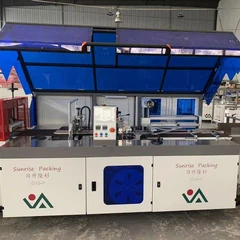
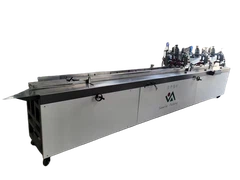
At our company, we offer a wide range of stackers to meet the diverse needs of our customers. Our Automatic Book Stacker is specifically designed for the book industry. It has a carefully calibrated load capacity that takes into account the weight and dimensions of standard book pallets. This stacker can efficiently stack books at a reasonable height, ensuring smooth operations in book warehouses and distribution centers.
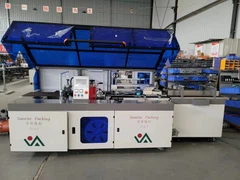
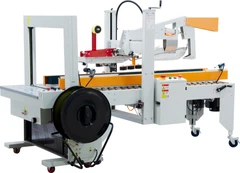
For general packing and logistics applications, our Packing Stacker is a popular choice. It is engineered to handle a variety of packed goods, from small boxes to larger crates. With its adjustable load capacity settings, it can be customized to suit different load requirements, whether you are dealing with light - weight consumer products or heavier industrial components.
Determining the Right Stacker for Your Needs
When choosing a stacker, it is essential to accurately assess your load requirements. Start by determining the average weight of the loads you need to stack. Consider the maximum weight that you may encounter in your operations, as well as the frequency of handling these heavier loads.
Next, think about the lifting height. Measure the height of your storage racks or the maximum height at which you need to stack the loads. This will help you select a stacker that can reach the required height while maintaining a sufficient load capacity.
It is also advisable to consult with our experts. Our team of professionals has extensive experience in the stacker industry and can provide personalized advice based on your specific business needs. We can conduct on - site assessments to understand your operations better and recommend the most suitable stacker with the appropriate load capacity.
Safety Considerations
Safety should always be a top priority when dealing with stackers. Exceeding the maximum load capacity can lead to serious accidents, such as stacker tipping, load dropping, or damage to the stacker itself. To ensure safety, always follow the manufacturer's guidelines regarding load capacity.
Regular maintenance of the stacker is also crucial. Inspect the stacker for any signs of wear and tear, especially the lifting mechanism, hydraulic system (if applicable), and the frame. A well - maintained stacker is more likely to operate safely within its specified load capacity.
The Importance of Accurate Load Capacity
Using a stacker with the correct load capacity is not only about safety but also about efficiency. An under - sized stacker will require multiple trips to handle a large load, which can slow down your operations and increase labor costs. On the other hand, an over - sized stacker may be more expensive to purchase and operate, and it may not be as maneuverable in smaller spaces.
By choosing a stacker with the appropriate load capacity, you can optimize your workflow, reduce the risk of accidents, and save on operational costs in the long run.
Contact Us for Your Stacker Needs
If you are in the market for a stacker and need help determining the right load capacity for your business, we are here to assist you. Our team is ready to provide you with detailed information about our stacker products, answer your questions, and guide you through the selection process.
Whether you are a small business looking for a compact and affordable stacker or a large corporation in need of a heavy - duty industrial solution, we have the expertise and the product range to meet your requirements. Don't hesitate to reach out to us for a consultation and start improving the efficiency and safety of your stacking operations today.
References
- Industrial Equipment Handbook: This comprehensive handbook provides in - depth information on the design, operation, and load - handling capabilities of various industrial equipment, including stackers.
- Stacker Manufacturer's Manuals: The official manuals from stacker manufacturers offer detailed specifications and guidelines regarding load capacity, safety procedures, and maintenance requirements.
- Warehouse Operations Best Practices: A collection of industry - recognized best practices that cover all aspects of warehouse operations, including the proper use of stackers and the importance of load capacity management.
Send Inquiry