



What is the loading capacity of a notebook labeling machine?
Oct 24, 2025
Leave a message
In the dynamic landscape of modern manufacturing, the efficiency and precision of labeling processes play a pivotal role in product presentation and market competitiveness. As a leading supplier of notebook labeling machines, we understand the critical importance of understanding the loading capacity of these machines. This knowledge not only ensures seamless production but also maximizes return on investment. In this blog post, we will delve into the concept of loading capacity, its influencing factors, and how it impacts the performance of notebook labeling machines.
Defining Loading Capacity
The loading capacity of a notebook labeling machine refers to the maximum number of notebooks that the machine can handle within a specific time frame while maintaining optimal labeling quality. It is a crucial metric that directly affects production efficiency and output. Loading capacity can be measured in various ways, such as the number of notebooks labeled per minute (NPM), per hour (NPH), or per shift.
Factors Influencing Loading Capacity
Several factors influence the loading capacity of a notebook labeling machine. Understanding these factors is essential for optimizing machine performance and achieving the desired production targets.
Machine Design and Configuration
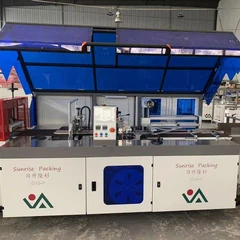
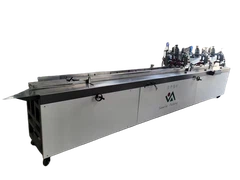
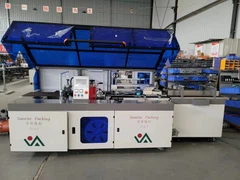
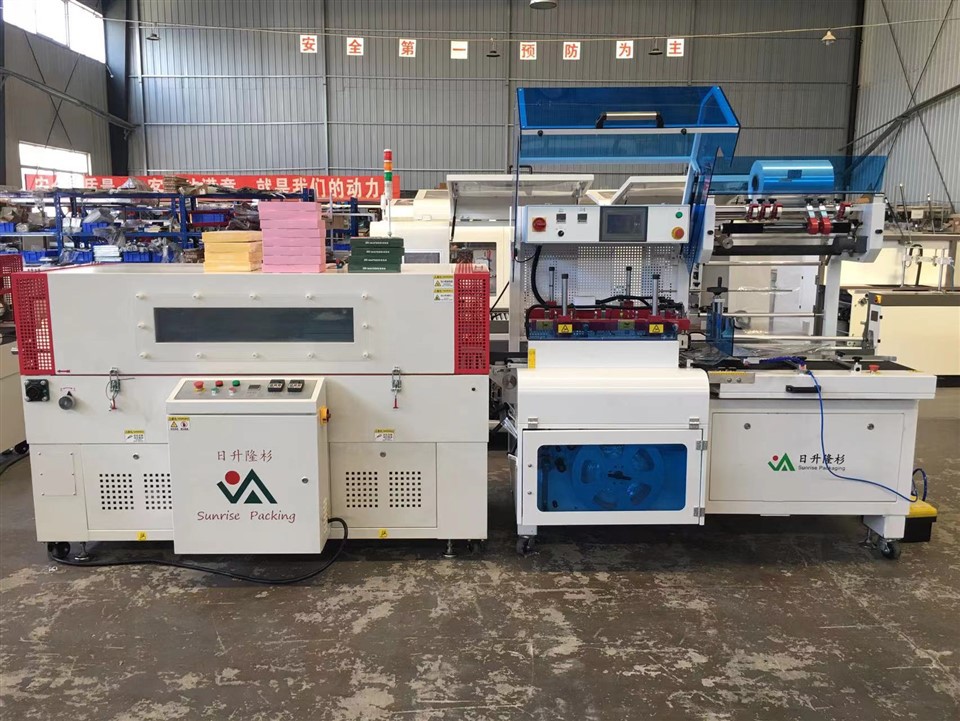
The design and configuration of the labeling machine play a significant role in determining its loading capacity. Machines with advanced features such as high-speed conveyors, multiple labeling heads, and automated feeding systems can typically handle a higher volume of notebooks compared to basic models. For example, our High Speed Labeler is specifically designed for high-volume production environments, with a loading capacity of up to [X] notebooks per minute.
Labeling Speed
The labeling speed of the machine is another critical factor that affects loading capacity. Faster labeling speeds allow for more notebooks to be labeled within a given time frame. However, it is important to note that increasing the labeling speed may also impact labeling quality. Therefore, it is essential to find the right balance between speed and quality to ensure optimal performance.
Notebook Size and Shape
The size and shape of the notebooks being labeled can also influence the loading capacity of the machine. Larger or irregularly shaped notebooks may require more time and space to label, which can reduce the overall loading capacity. Our machines are designed to accommodate a wide range of notebook sizes and shapes, ensuring flexibility and versatility in production.
Label Material and Application
The type of label material and the application method used can also affect the loading capacity of the machine. Some label materials may require more time to apply, such as pressure-sensitive labels that need to be peeled and applied accurately. Additionally, certain application methods, such as wrap-around labeling, may be more time-consuming than simple front or back labeling. Our machines are compatible with a variety of label materials and application methods, allowing for customization based on specific production requirements.
Operator Skill and Training
The skill and training of the machine operator can also have an impact on the loading capacity. A well-trained operator who is familiar with the machine's operation and maintenance can ensure smooth and efficient production, maximizing the machine's loading capacity. We provide comprehensive training and support to our customers to ensure that their operators are fully equipped to operate our machines effectively.
Importance of Loading Capacity
The loading capacity of a notebook labeling machine is crucial for several reasons. Firstly, it directly affects production efficiency. A machine with a higher loading capacity can label more notebooks in less time, reducing production time and increasing output. This is particularly important in high-volume production environments where time is of the essence.
Secondly, loading capacity impacts cost-effectiveness. By maximizing the number of notebooks labeled per unit of time, manufacturers can reduce labor costs and increase productivity. Additionally, a machine with a higher loading capacity may require fewer machines to achieve the same production volume, resulting in lower capital investment.
Finally, loading capacity is essential for meeting customer demand. In today's competitive market, customers expect fast turnaround times and high-quality products. A notebook labeling machine with a high loading capacity can help manufacturers meet these demands, ensuring customer satisfaction and loyalty.
Optimizing Loading Capacity
To optimize the loading capacity of a notebook labeling machine, it is important to consider the following strategies:
Machine Selection
Choosing the right machine for your specific production requirements is crucial. Consider factors such as the volume of notebooks to be labeled, the labeling speed required, and the type of label material and application method. Our team of experts can help you select the most suitable machine based on your needs.
Maintenance and Upkeep
Regular maintenance and upkeep of the machine are essential for ensuring optimal performance and loading capacity. This includes cleaning the machine, lubricating moving parts, and replacing worn-out components. We offer comprehensive maintenance and support services to ensure that your machine operates at peak efficiency.
Process Optimization
Analyzing and optimizing the labeling process can also help improve loading capacity. This may involve streamlining the feeding and labeling operations, reducing downtime between batches, and improving the overall workflow. Our team can work with you to identify areas for improvement and implement process optimization strategies.
Operator Training
Providing comprehensive training to machine operators is essential for maximizing loading capacity. Operators should be familiar with the machine's operation, maintenance, and troubleshooting procedures. We offer training programs to ensure that your operators are fully equipped to operate our machines effectively.
Conclusion
In conclusion, the loading capacity of a notebook labeling machine is a critical factor that directly affects production efficiency, cost-effectiveness, and customer satisfaction. By understanding the factors that influence loading capacity and implementing strategies to optimize it, manufacturers can ensure seamless production and maximize return on investment. As a leading supplier of notebook labeling machines, we are committed to providing our customers with high-quality machines, comprehensive support, and innovative solutions to meet their production needs.
If you are interested in learning more about our notebook labeling machines or would like to discuss your specific requirements, please do not hesitate to contact us. Our team of experts is ready to assist you in finding the right solution for your business.
References
- [List any relevant industry reports, studies, or articles that you used as references in your blog post]
Send Inquiry