





What is the installation space required for a packing conveyor?
Nov 17, 2025
Leave a message
Hey there! As a packing conveyor supplier, I often get asked about the installation space required for a packing conveyor. It's a crucial question because getting the space right can make or break your production line. In this blog, I'll break down all the factors you need to consider when figuring out the installation space for a packing conveyor.
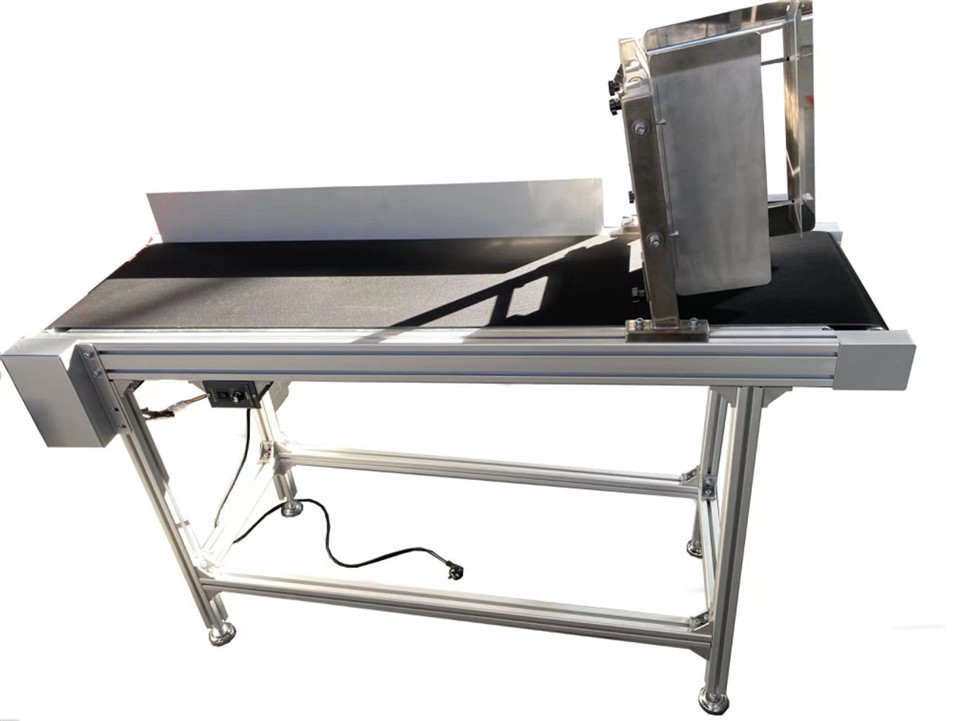
First off, let's talk about the types of packing conveyors. There are different kinds, like the Conveyor Belt Equipment and the Unpower Convevor. Each type has its own space requirements.
The length of the conveyor is a major factor. You need to think about how much distance your products need to travel from the start of the packing process to the end. For example, if you have a long packing line with multiple stations for weighing, labeling, and sealing, you'll need a longer conveyor. The length also depends on the speed of your production. If you have a high - speed line, you might need a longer conveyor to keep up with the flow of products.
Width is another important aspect. The width of the conveyor should be wide enough to accommodate your products comfortably. You don't want your products to fall off the sides. It also depends on how you're going to load and unload the products. If you're using automated loading systems, you need to make sure there's enough space for the equipment to operate. A wider conveyor might also be needed if you're conveying multiple products side by side.
Height is often overlooked but just as important. The height of the conveyor should be at a level that's convenient for the operators. If it's too low, the operators will have to bend down a lot, which can lead to back problems. If it's too high, it might be difficult to load and unload the products. You also need to consider the clearance above the conveyor. There should be enough space for any overhead equipment, like sensors or lights.
Now, let's talk about the surrounding space. You need to have enough room around the conveyor for maintenance and cleaning. You should be able to access all parts of the conveyor easily. There should also be space for any additional equipment that might be used in conjunction with the conveyor, like a sorting system or a labeling machine.
If you're using a Packing Conveyor in a factory, you need to consider the layout of the entire production area. You don't want the conveyor to block any walkways or access points. It should fit in seamlessly with the other equipment in the factory.
Let's take a look at some examples. Suppose you're running a small - scale food packing business. You have a simple packing process where you're just weighing and bagging the products. In this case, you might be able to get away with a relatively short and narrow conveyor. You can place it in a corner of the room, as long as there's enough space for an operator to stand and load the products.
On the other hand, if you're in a large - scale manufacturing plant with a complex packing process, you'll need a much larger conveyor system. You might have multiple conveyors running parallel to each other, with different sections for different tasks. This will require a significant amount of space.

Another thing to consider is the future expansion of your business. If you plan to increase your production in the future, you should leave some extra space for a longer or wider conveyor. It's better to plan ahead and avoid having to move the conveyor later on.
When it comes to installation, you also need to think about the floor space. The conveyor should be installed on a flat and stable surface. If the floor is uneven, it can cause the conveyor to vibrate, which can damage the equipment and affect the quality of the products. You might need to level the floor or use some kind of support structure.
In addition to the physical space, you also need to consider the electrical and mechanical requirements. There should be enough space for the power supply and control panels. You also need to make sure there's enough ventilation around the conveyor to prevent overheating.
To sum it up, calculating the installation space for a packing conveyor is not a one - size - fits - all situation. It depends on a variety of factors, including the type of conveyor, the size of your products, the production process, and the layout of your factory. As a packing conveyor supplier, I can help you determine the exact space requirements based on your specific needs.
If you're in the market for a packing conveyor and want to discuss the installation space and other details, I'd love to have a chat with you. Whether you're a small business just starting out or a large corporation looking to upgrade your production line, I can provide you with the right solution. Don't hesitate to reach out and start the conversation about your packing conveyor needs.
References
- General knowledge from years of experience as a packing conveyor supplier.
- Industry standards and best practices for conveyor installation.
Send Inquiry