


What is the impact of the heat shrink film material on the machine's performance?
Dec 22, 2025
Leave a message
Hey there! As a supplier of heat shrink packing machines, I've seen firsthand how different heat shrink film materials can mess with a machine's performance. So, I'm gonna break down the impacts right here.
1. Compatibility with the Machine
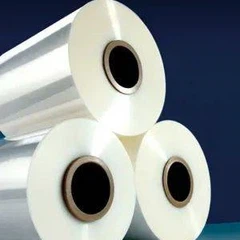
First off, not all heat shrink films play nice with every heat shrink packing machine. You've got to make sure the film you're using is a good match for your specific machine. For example, some machines are designed to work best with PVC (Polyvinyl Chloride) films. PVC films are super common because they're affordable and can shrink at relatively low temperatures. But if your machine is built for a more high - end PETG (Polyethylene Terephthalate Glycol Modified) film, using PVC could lead to problems.
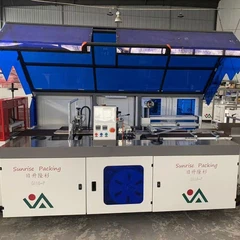
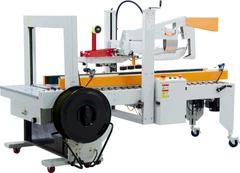
The G118 Heat Shrink Packing Machine For Book Industry [/pcking-machine/heat-shrink-packaging-machine/g118-heat-shrink-packing-machine-for-book.html] is engineered to handle certain types of film precisely. Using an incompatible film might cause the machine to jam, as the film won't feed through smoothly or shrink evenly around the product. This can slow down production and cost you money in terms of maintenance and downtime.
2. Shrinkage Quality
The quality of heat shrinkage depends a lot on the film material. Different films have different shrinkage properties. For instance, LDPE (Low - Density Polyethylene) films have a high shrinkage ratio and are pretty flexible. They can tightly wrap around products of all shapes and sizes. This is great for products with irregular shapes because the film can conform well during the shrinking process.
On the other hand, some films like OPS (Oriented Polystyrene) have a more uniform shrinkage. This means that if you're packing products that require a very neat and professional look, OPS might be the way to go. But if your machine is set up to work with a film that has a different shrinkage pattern, you'll end up with unevenly shrunk packages.
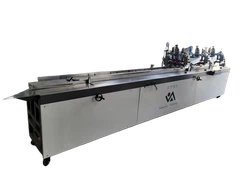
The Heat Shrink Film Packaging Machine [/pcking-machine/heat-shrink-packaging-machine/heat-shrink-film-packaging-machine.html] is designed to optimize the shrinkage process. But when you use a film with the wrong shrinkage characteristics, it can't do its job properly. You might see wrinkles, loose areas, or even parts of the product not getting covered properly.
3. Heat Requirements
Each type of heat shrink film needs a specific amount of heat to shrink correctly. For example, PVDC (Polyvinylidene Chloride) films need a relatively high amount of heat to reach their optimal shrinkage. If your machine can't generate enough heat, the film won't shrink fully. You'll end up with packages that are loose and don't offer proper protection.
On the flip side, if the machine produces too much heat for a film that requires less, it can damage the film. It might cause the film to melt, create holes, or change its color. This is a big problem because it affects the aesthetic appeal of the product and can also make the packaging less functional.
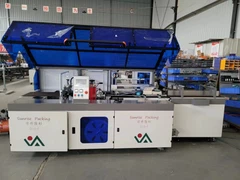
The Shrink Packing Machine For Milk Box [/pcking-machine/heat-shrink-packaging-machine/shrink-packing-machine-for-milk-box.html] has a specific heat - control system. Using a film with different heat requirements can throw off this system. You may need to constantly adjust the machine settings, which is time - consuming and can lead to inconsistent results.
4. Durability and Tear Resistance
The durability of the heat shrink film matters for the overall performance of the machine. Films with low tear resistance can break easily during the packing process. This not only stops the production line but also creates a mess inside the machine. You have to clean out the broken film pieces, which can take a long time.
Some films, like PP (Polypropylene), are known for their high tear resistance. They can withstand the mechanical stress of the packing machine, such as being pulled through rollers and cut by the sealing mechanism. Using a more durable film means fewer interruptions in the production process and less wear and tear on the machine.
5. Chemical Resistance
In some industries, the products being packed may have chemicals or substances that can react with the heat shrink film. For example, in the food industry, certain acidic or oily foods can interact with the film. If the film isn't chemically resistant, it can break down over time.
When a film breaks down inside the machine, it can leave residues. These residues can build up on the machine's parts, like the heating elements and the conveyor belts. This can affect the machine's efficiency and even lead to malfunctions. So, choosing a film with the right chemical resistance is crucial for keeping your machine in good working condition.
6. Cost - Efficiency
The cost of the heat shrink film is also a factor that can impact the machine's performance in the long run. Cheaper films might seem like a good idea at first, but they could come with a lot of problems. For example, a low - cost film might have inconsistent quality. This means you'll have more rejects during the packing process, which is a waste of both time and money.
On the other hand, high - quality films may be more expensive upfront, but they can lead to better machine performance. They work smoothly with the machine, require fewer adjustments, and result in fewer defective packages. In the long term, this can save you a lot of money in terms of production costs.
If you're considering different heat shrink film materials for your packing process, you need to think about how they'll affect your machine's performance. From compatibility and shrinkage quality to heat requirements, durability, chemical resistance, and cost - efficiency, every aspect matters.


If you're in the market for a heat shrink packing machine or want to learn more about how to choose the right heat shrink film for your machine, don't hesitate to reach out. We're here to help you make the best decisions for your business and ensure that your packing process runs as smoothly as possible.
References:
- Packaging Technology Handbook
- Plastic Packaging Materials: Properties, Processing and Sustainability by Xinxing Zhang
Send Inquiry