


What is the heat source in a heat shrink packing machine?
Jun 06, 2025
Leave a message
As a seasoned supplier of heat shrink packing machines, I've encountered numerous inquiries about the heat sources used in these machines. Understanding the heat source is crucial as it directly impacts the efficiency, performance, and quality of the shrink packaging process. In this blog, I'll delve into the different types of heat sources commonly found in heat shrink packing machines, their advantages and disadvantages, and how they can affect your packaging operations.
Types of Heat Sources in Heat Shrink Packing Machines
1. Electric Heating Elements
Electric heating elements are perhaps the most common heat source in heat shrink packing machines. These elements work by converting electrical energy into heat through the principle of resistance heating. When an electric current passes through a high - resistance material, such as nichrome wire, it generates heat.
Advantages:
- Precise Temperature Control: Electric heating elements allow for very precise temperature regulation. This is essential for ensuring that the shrink film is heated to the optimal temperature for shrinking without overheating or underheating, which could lead to poor packaging quality.
- Clean and Safe: They do not produce any combustion by - products, making them a clean option for the working environment. There is also a lower risk of fire compared to some other heat sources, as long as proper safety measures are in place.
- Easy to Install and Maintain: Electric heating elements are relatively easy to install in a heat shrink packing machine. Maintenance typically involves checking for wear and tear of the heating elements and replacing them when necessary.
Disadvantages:
- High Energy Consumption: Depending on the size and power of the machine, electric heating elements can consume a significant amount of electricity. This can lead to higher operating costs, especially for large - scale packaging operations.
- Limited Heating Capacity: In some cases, electric heating elements may have a limited heating capacity, which can be a drawback for high - speed or large - scale packaging applications.
2. Gas Burners
Gas burners use natural gas or propane as a fuel source to generate heat. The gas is mixed with air and ignited, producing a flame that heats the air or a heating surface, which in turn heats the shrink film.
Advantages:
- High Heating Capacity: Gas burners can provide a large amount of heat quickly, making them suitable for high - speed packaging lines. They can heat the shrink film rapidly, increasing the packaging efficiency.
- Lower Energy Costs: In some regions, natural gas or propane may be more cost - effective than electricity, resulting in lower operating costs over time.
Disadvantages:
- Combustion By - Products: Gas burners produce combustion by - products such as carbon monoxide, nitrogen oxides, and water vapor. Adequate ventilation is required to ensure a safe working environment and to prevent the accumulation of these pollutants.
- Safety Concerns: Working with gas involves a higher risk of fire and explosion if proper safety procedures are not followed. Gas lines need to be carefully installed and maintained to prevent leaks.
- Less Precise Temperature Control: Compared to electric heating elements, gas burners may offer less precise temperature control. Fluctuations in gas pressure or air - fuel mixture can affect the temperature of the heating surface.
3. Infrared Heaters
Infrared heaters emit infrared radiation, which is absorbed by the shrink film, causing it to heat up and shrink. There are different types of infrared heaters, including quartz and ceramic infrared heaters.
Advantages:
- Fast Heating: Infrared heaters can heat the shrink film very quickly because the infrared radiation is directly absorbed by the film. This results in a shorter heating time and higher packaging speeds.
- Selective Heating: Infrared heaters can be designed to target specific areas of the shrink film, allowing for more precise and efficient heating. This is particularly useful for complex - shaped products or when only certain parts of the package need to be shrunk.
Disadvantages:
- Higher Initial Cost: Infrared heaters can be more expensive to purchase and install compared to other heat sources.
- Limited Penetration: Infrared radiation may have limited penetration into thick or opaque shrink films, which can affect the quality of the shrink packaging in some cases.
Impact of Heat Sources on Packaging Quality
The choice of heat source can have a significant impact on the quality of the shrink packaging. For example, if the heat source does not provide uniform heating, the shrink film may not shrink evenly, resulting in a wrinkled or uneven appearance of the package. Inconsistent temperature control can also cause the film to over - shrink in some areas and under - shrink in others.
A heat source with a high heating capacity and precise temperature control, such as electric heating elements or infrared heaters, is often preferred for applications where high - quality packaging is required. On the other hand, for high - volume, less - critical packaging applications, gas burners may be a more cost - effective option, even though they may have slightly less precise temperature control.

Choosing the Right Heat Source for Your Heat Shrink Packing Machine
When choosing a heat source for your heat shrink packing machine, several factors should be considered:
- Production Volume: For high - volume packaging operations, a heat source with a high heating capacity, such as gas burners, may be more suitable. For smaller - scale operations, electric heating elements or infrared heaters may be a better choice.
- Product Type: The type of product being packaged can also influence the choice of heat source. For example, if the product is sensitive to high temperatures, a heat source with precise temperature control, such as electric heating elements, may be required.
- Operating Costs: Consider the long - term operating costs, including energy consumption and maintenance. Gas burners may have lower energy costs in some regions, but they may also require more maintenance and safety precautions.
- Quality Requirements: If high - quality packaging is a priority, a heat source that provides uniform and precise heating, such as infrared heaters, may be the best option.
Conclusion
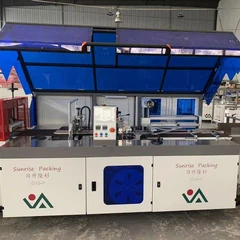
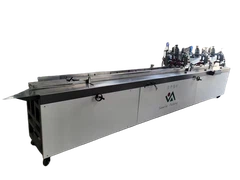
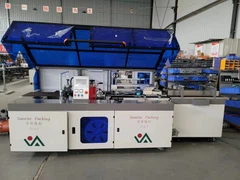
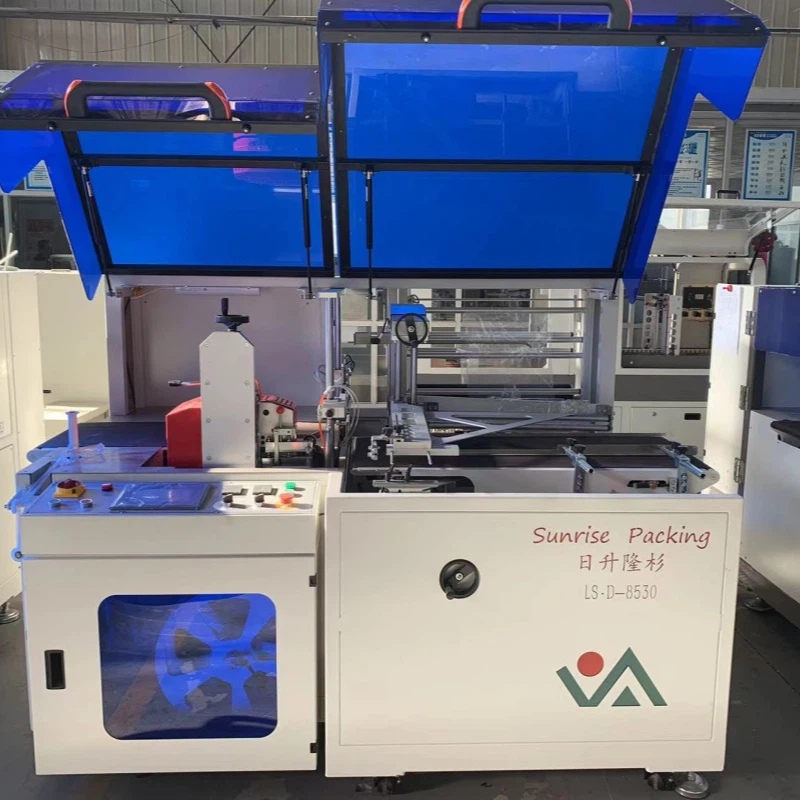
As a supplier of Heat Shrink Packing Machine, I understand the importance of choosing the right heat source for your heat shrink packing machine. Whether you need a Mobile Phone Packaging Box Heat Shrink Packaging Machine for small - scale electronics packaging or a Heat Shrink Furnace For Packing for large - scale industrial applications, we can help you select the most suitable heat source based on your specific requirements.
If you are interested in learning more about our heat shrink packing machines or have any questions about heat sources, please feel free to contact us. We are always ready to assist you in making the best decision for your packaging needs.
References
- "Packaging Machinery Technology" by John Smith
- "Heat Shrink Packaging: Principles and Applications" by Mary Johnson
- Industry reports on heat shrink packing machine technology and trends
Send Inquiry