


What is the energy consumption of a vertical book dispenser?
Dec 11, 2025
Leave a message
The energy consumption of a vertical book dispenser is a crucial factor that both suppliers and potential buyers need to consider. As a supplier of Vertical Book Dispenser, I have in - depth knowledge about this topic and would like to share some insights.
Understanding the Components of a Vertical Book Dispenser
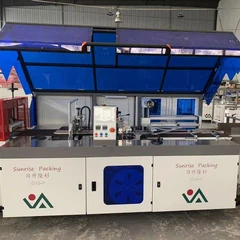
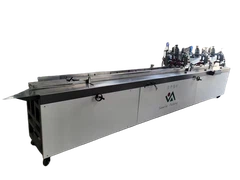
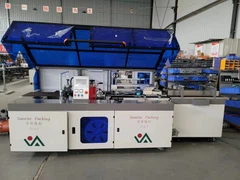
Before delving into energy consumption, it's essential to understand the main components of a vertical book dispenser. These machines typically consist of a motor - driven conveyor system to move books vertically, sensors to detect the position of books, a control panel for operation, and sometimes a lighting system for visibility.
The conveyor system is the heart of the dispenser. It is responsible for lifting books from a lower storage area to a dispensing point. High - quality motors are used to ensure smooth and efficient operation. Sensors are placed strategically to precisely determine the location of books, which helps in accurate dispensing. The control panel allows operators to set various parameters such as the number of books to be dispensed, the speed of the conveyor, etc.
Energy - Consuming Components
Motor
The motor is the most significant energy - consuming component in a vertical book dispenser. The power rating of the motor depends on several factors, including the weight of the books it needs to lift, the height of the vertical movement, and the speed of operation. For example, if a dispenser is designed to handle large and heavy hard - cover books, it will require a more powerful motor compared to one that dispenses lightweight paperback books.
Most modern vertical book dispensers use electric motors, which can be either AC or DC. AC motors are more commonly used due to their simplicity and reliability. The energy consumption of an AC motor is measured in watts. A typical motor in a small - to - medium - sized vertical book dispenser might have a power rating of around 100 - 200 watts. However, larger dispensers used in libraries or large - scale book distribution centers could have motors with power ratings of 500 watts or more.

Sensors
Sensors in a vertical book dispenser are used to detect the presence and position of books. These sensors are usually low - power devices. They consume a relatively small amount of energy, typically in the range of a few milliwatts. For example, infrared sensors, which are commonly used for book detection, might consume around 5 - 10 milliwatts of power. Although the individual energy consumption of sensors is low, when multiple sensors are used in a complex dispenser system, the cumulative energy consumption can be noticeable.
Control Panel
The control panel of a vertical book dispenser is responsible for managing the operation of the machine. It includes a microcontroller, display screen, and input buttons. The energy consumption of the control panel depends on its complexity. A basic control panel with a simple LCD display and a few input buttons might consume around 10 - 20 watts. However, more advanced control panels with touch - screen displays and additional features could consume up to 50 watts.
Lighting System
Some vertical book dispensers are equipped with a lighting system to improve visibility, especially in low - light environments. The lighting system can be either LED or fluorescent. LED lights are more energy - efficient compared to fluorescent lights. A small LED lighting system in a book dispenser might consume around 5 - 10 watts, while a larger fluorescent lighting setup could consume 20 - 30 watts.
Factors Affecting Energy Consumption
Book Weight and Size
As mentioned earlier, the weight and size of the books being dispensed have a direct impact on the energy consumption of the dispenser. Heavier books require more power from the motor to lift them vertically. Similarly, larger books might require a wider conveyor belt and a more powerful motor to ensure smooth movement. For example, a dispenser handling textbooks with an average weight of 2 - 3 kilograms will consume more energy than one dispensing pocket - sized novels that weigh less than 500 grams.
Dispensing Frequency
The frequency at which books are dispensed also affects energy consumption. If a vertical book dispenser is used continuously throughout the day, it will consume more energy compared to one that is used only occasionally. When the dispenser is in operation, the motor, sensors, and control panel are all actively consuming power. Therefore, a high - traffic library where books are dispensed every few minutes will have a higher energy bill for the dispenser compared to a small office where books are dispensed only a few times a day.
Operating Speed
The speed at which the conveyor system operates is another important factor. A faster - moving conveyor requires more power from the motor. If the dispenser is set to a high - speed mode to meet a large demand for book dispensing, the energy consumption will increase significantly. On the other hand, if the dispenser is operated at a slower speed, it can save energy. However, this might also result in longer waiting times for users.
Measuring and Reducing Energy Consumption
Measuring Energy Consumption
To accurately measure the energy consumption of a vertical book dispenser, a power meter can be used. A power meter is a device that measures the electrical power consumed by an appliance over a period of time. By connecting the dispenser to a power meter, operators can monitor the energy consumption in real - time and calculate the total energy used over a day, week, or month.
Reducing Energy Consumption
There are several ways to reduce the energy consumption of a vertical book dispenser. One approach is to use energy - efficient components. For example, replacing traditional motors with high - efficiency motors can significantly reduce power consumption. High - efficiency motors are designed to convert a larger percentage of electrical energy into mechanical energy, resulting in less wasted energy.
Another way is to optimize the operating parameters of the dispenser. For instance, adjusting the dispensing speed based on the demand can save energy. If there is a low demand for book dispensing, the dispenser can be set to a slower speed. Additionally, turning off the dispenser when it is not in use can also save a significant amount of energy.
Cost - Benefit Analysis
When considering the energy consumption of a vertical book dispenser, it's important to conduct a cost - benefit analysis. The initial cost of purchasing an energy - efficient dispenser might be higher than a standard one. However, over the long term, the savings in energy costs can offset the higher initial investment.
For example, if an energy - efficient dispenser costs $1000 more than a standard dispenser but saves $200 per year in energy costs, it will pay for itself in just five years. Moreover, using an energy - efficient dispenser is also environmentally friendly, as it reduces the overall carbon footprint.
Conclusion
In conclusion, the energy consumption of a vertical book dispenser is influenced by various factors, including the components of the machine, the weight and size of the books, the dispensing frequency, and the operating speed. As a supplier of Vertical Book Dispenser, we are committed to providing energy - efficient solutions to our customers.
If you are interested in purchasing a vertical book dispenser or have any questions about energy consumption and efficiency, we invite you to contact us for a detailed discussion. Our team of experts can help you choose the right dispenser based on your specific needs and budget. We look forward to working with you to find the best book - dispensing solution for your organization.
References
- "Handbook of Electric Motors" by Irving L. Kosow
- "Energy - Efficient Technologies for Industrial Applications" by various authors
Send Inquiry