


What is the difference between thermal and non - thermal notebook labeling machines?
Jul 23, 2025
Leave a message
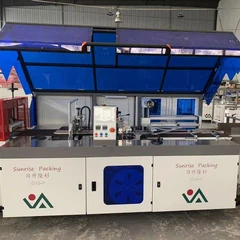
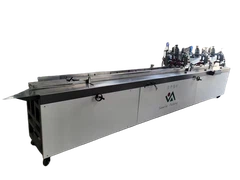
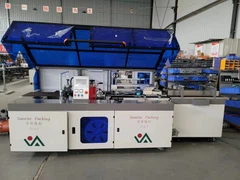
In the realm of notebook manufacturing, labeling is a crucial step that not only enhances the product's aesthetics but also conveys essential information to consumers. As a leading supplier of notebook labeling machines, we understand the significance of choosing the right labeling technology for your production line. In this blog post, we'll explore the differences between thermal and non-thermal notebook labeling machines, helping you make an informed decision for your business.
Thermal Notebook Labeling Machines
Thermal labeling machines utilize heat to transfer ink or create an image on labels. There are two main types of thermal labeling technologies: direct thermal and thermal transfer.
Direct Thermal Labeling
Direct thermal labeling machines use heat-sensitive labels that darken when exposed to heat. The printing head of the machine applies heat to specific areas of the label, creating the desired image or text. This technology is known for its simplicity and cost-effectiveness, as it doesn't require any additional ribbons or ink cartridges.
One of the key advantages of direct thermal labeling is its high printing speed. Since the labels are heat-sensitive, the printing process is relatively quick, making it suitable for high-volume production environments. Additionally, direct thermal labels are often more affordable than other types of labels, which can help reduce overall production costs.
However, direct thermal labels have some limitations. They are sensitive to heat, light, and friction, which can cause the printed image to fade over time. This makes them less suitable for applications where long-term durability is required, such as outdoor use or products with a long shelf life.
Thermal Transfer Labeling
Thermal transfer labeling machines use a ribbon to transfer ink onto the label. The printing head applies heat to the ribbon, melting the ink and transferring it onto the label surface. This technology offers several advantages over direct thermal labeling, including better durability and print quality.
Thermal transfer labels are more resistant to heat, light, and chemicals, making them suitable for a wider range of applications. They can be used on products that will be exposed to harsh environments or require long-term readability, such as industrial equipment, automotive parts, and medical devices.
In addition, thermal transfer labeling allows for more flexibility in terms of label materials and colors. You can choose from a variety of label stocks, including paper, polyester, and vinyl, and print in multiple colors using a single ribbon. This makes it possible to create eye-catching labels that stand out on the shelf and attract consumers' attention.
However, thermal transfer labeling machines are generally more expensive than direct thermal machines, and the ribbons can add to the overall cost of production. Additionally, the printing speed of thermal transfer machines is typically slower than that of direct thermal machines, which may not be suitable for high-volume production environments.
Non-Thermal Notebook Labeling Machines
Non-thermal labeling machines use alternative methods to apply labels to notebooks, such as pressure-sensitive adhesive or hot melt adhesive. These machines are often used for applications where thermal labeling is not suitable, such as on heat-sensitive materials or products that require a more permanent label.
Pressure-Sensitive Labeling
Pressure-sensitive labeling machines use a roll of labels with a pre-applied adhesive backing. The labels are peeled off the liner and applied to the notebook surface using a pressure roller or other applicator. This technology is known for its simplicity and versatility, as it can be used on a wide range of materials and shapes.
One of the main advantages of pressure-sensitive labeling is its ease of use. The labels can be applied quickly and easily, without the need for any additional heat or solvents. This makes it a popular choice for small to medium-sized businesses that require a cost-effective labeling solution.
Pressure-sensitive labels are also highly customizable, as they can be printed with a variety of graphics, text, and barcodes. They can be used on products of all shapes and sizes, including round, square, and irregularly shaped containers.
However, pressure-sensitive labels may not be as durable as thermal transfer labels, especially in harsh environments. They can be prone to peeling or lifting over time, which can affect the appearance and readability of the label.
Hot Melt Adhesive Labeling
Hot melt adhesive labeling machines use a hot melt adhesive to bond the label to the notebook surface. The adhesive is heated and applied to the label using a nozzle or other applicator, and then the label is pressed onto the notebook using a roller or other pressure device.

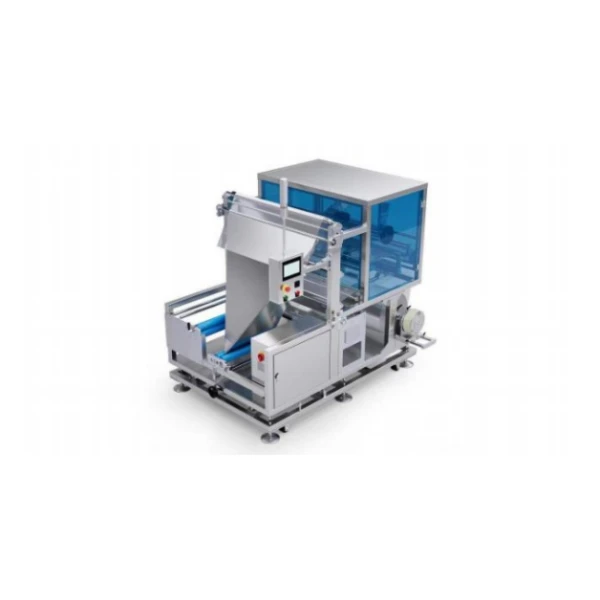
This technology offers several advantages over pressure-sensitive labeling, including better adhesion and durability. Hot melt adhesive labels are more resistant to peeling, lifting, and moisture, making them suitable for products that will be exposed to harsh environments or require a long-lasting label.
In addition, hot melt adhesive labeling allows for more precise label placement and alignment, which can improve the overall appearance of the product. The adhesive can be applied in a variety of patterns and thicknesses, depending on the specific requirements of the application.
However, hot melt adhesive labeling machines are generally more expensive than pressure-sensitive labeling machines, and the adhesive can add to the overall cost of production. Additionally, the hot melt adhesive requires a heating system, which can increase energy consumption and maintenance requirements.
Which Type of Notebook Labeling Machine is Right for You?
The choice between thermal and non-thermal notebook labeling machines depends on several factors, including your production volume, label requirements, and budget. Here are some key considerations to keep in mind when making your decision:
Production Volume
If you have a high-volume production environment, you may want to consider a thermal labeling machine, as they offer faster printing speeds and are more suitable for large-scale production. Direct thermal machines are often a good choice for high-volume applications where cost is a major factor, while thermal transfer machines are better suited for applications that require high-quality, durable labels.
If you have a low to medium production volume, a non-thermal labeling machine may be more appropriate. Pressure-sensitive labeling machines are easy to use and cost-effective, making them a popular choice for small to medium-sized businesses. Hot melt adhesive labeling machines offer better adhesion and durability, but they are generally more expensive and require more maintenance.
Label Requirements
The type of label you need will also play a role in your decision. If you require long-term durability and resistance to heat, light, and chemicals, a thermal transfer labeling machine may be the best option. Thermal transfer labels are more suitable for applications where the label will be exposed to harsh environments or require long-term readability.
If you need a label that is easy to apply and customize, a pressure-sensitive labeling machine may be a better choice. Pressure-sensitive labels can be printed with a variety of graphics, text, and barcodes, and they can be applied quickly and easily without the need for any additional heat or solvents.
Budget
Your budget is another important consideration when choosing a notebook labeling machine. Thermal labeling machines are generally more expensive than non-thermal machines, especially if you require a high-quality thermal transfer machine. However, they can also offer significant cost savings in the long run, as they are more efficient and require less maintenance.
Non-thermal labeling machines are often more affordable, especially pressure-sensitive labeling machines. They are a good option for small to medium-sized businesses that require a cost-effective labeling solution. However, if you need a more durable label or require a high level of precision, a hot melt adhesive labeling machine may be worth the additional investment.
Conclusion
In conclusion, the choice between thermal and non-thermal notebook labeling machines depends on your specific production requirements, label needs, and budget. Thermal labeling machines offer fast printing speeds, high-quality print results, and better durability, but they can be more expensive and require more maintenance. Non-thermal labeling machines are generally more affordable and easier to use, but they may not offer the same level of durability and precision.
As a leading supplier of notebook labeling machines, we offer a wide range of thermal and non-thermal labeling solutions to meet your specific needs. Whether you need a high-speed direct thermal machine for high-volume production or a versatile pressure-sensitive labeling machine for small to medium-sized businesses, we have the expertise and experience to help you find the right solution for your business.
If you're interested in learning more about our notebook labeling machines or would like to discuss your specific requirements, please [contact us] for a consultation. Our team of experts will be happy to answer your questions and provide you with a customized solution that meets your needs and budget.
References
- "Labeling Technology Guide," Label Planet, accessed [date].
- "Thermal vs. Non-Thermal Labeling: What's the Difference?" Packsize, accessed [date].
- "Choosing the Right Labeling Machine for Your Business," Matthews Marking Systems, accessed [date].
Additional Resources
If you're in the market for a notebook labeling machine, we encourage you to explore these resources and contact us to discuss your specific needs. Our team of experts is here to help you find the right solution for your business and ensure a successful labeling process.
Send Inquiry