


What is the difference between a simple and a complex plastic film sealer?
Dec 01, 2025
Leave a message
What is the difference between a simple and a complex plastic film sealer?
As a supplier of plastic film sealers, I've encountered numerous inquiries about the disparities between simple and complex plastic film sealers. Understanding these differences is crucial for businesses and individuals looking to invest in the right equipment for their packaging needs. In this blog post, I'll delve into the key aspects that set these two types of sealers apart.
1. Design and Structure
Simple plastic film sealers typically have a straightforward design. They are often handheld or table - top models with basic components. These sealers usually consist of a heating element, a pressure mechanism, and a simple control system. For example, a handheld sealer may be as basic as a small device with a trigger that activates the heating element to seal the plastic film when pressed against it.
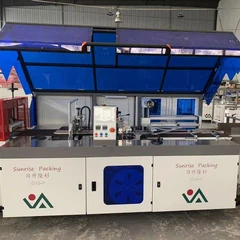
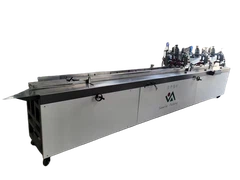
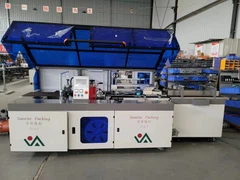
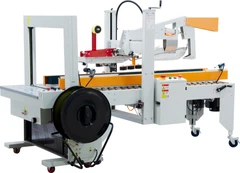
On the other hand, complex plastic film sealers have a more elaborate design. They are often larger, floor - standing machines with multiple components and subsystems. These machines may have advanced conveyor systems, precise temperature and pressure controls, and sophisticated sensors. For instance, a fully - automatic pillow - type packing machine Fully Automatic Pillow Type Packing Machine is a complex sealer that can form, fill, and seal plastic film in a continuous process. It has a complex structure that includes film feeding systems, product filling mechanisms, and sealing stations, all working in harmony to achieve efficient packaging.
2. Functionality
The functionality of simple and complex plastic film sealers varies significantly. Simple sealers are mainly designed for basic sealing tasks. They are suitable for small - scale operations, such as sealing individual plastic bags for home use or small businesses with low - volume packaging requirements. These sealers can typically seal a single type of plastic film with a limited range of thicknesses. For example, a simple table - top sealer may be used to seal small plastic bags for storing snacks or small items.
Complex plastic film sealers, however, offer a wide range of functionalities. They can handle different types of plastic films, including laminated films, multi - layer films, and films with special coatings. These sealers can perform complex packaging operations, such as vacuum sealing, gas flushing, and form - fill - seal processes. A plastic sealing machine for food Plastic Sealing Machine for Food is a good example of a complex sealer. It can not only seal the plastic film but also create a vacuum environment inside the package to extend the shelf - life of food products. Additionally, it can be programmed to adjust the sealing parameters according to the type of food and the packaging requirements.
3. Automation Level
Automation is another area where simple and complex plastic film sealers differ. Simple sealers are usually semi - automatic or manual. Manual sealers require the operator to place the plastic film between the sealing jaws and activate the sealing process by pressing a button or a lever. Semi - automatic sealers may have some basic automation features, such as a timer for controlling the sealing time, but still require significant manual intervention.
Complex plastic film sealers, in contrast, are highly automated. They can perform a series of packaging operations without much human intervention. For example, a sealing machine for plastic packaging Sealing Machine for Plastic Packaging can automatically feed the plastic film, measure and fill the product, seal the package, and cut the film. These machines are equipped with advanced control systems, such as programmable logic controllers (PLCs), which can be programmed to perform different packaging tasks with high precision and consistency.
4. Sealing Quality
The quality of the seal is an important factor to consider when choosing a plastic film sealer. Simple sealers may produce seals that are less consistent in terms of strength and appearance. Due to their basic design and limited control over sealing parameters, the seals may be prone to leakage or have uneven sealing lines. For example, a handheld sealer may not apply uniform pressure across the sealing area, resulting in weak spots in the seal.
Complex plastic film sealers, on the other hand, can produce high - quality seals. They have precise temperature and pressure controls, which ensure that the plastic film is melted and bonded together evenly. These machines can also adjust the sealing parameters based on the type and thickness of the plastic film, resulting in strong and reliable seals. The advanced sensors in complex sealers can detect any irregularities in the sealing process and make real - time adjustments to maintain the quality of the seal.
5. Speed and Efficiency
When it comes to speed and efficiency, there is a clear difference between simple and complex plastic film sealers. Simple sealers are relatively slow and have a low throughput. Since they often require manual intervention for each sealing operation, the packaging speed is limited. For example, a manual sealer may be able to seal only a few bags per minute.


Complex plastic film sealers are designed for high - volume production. They can operate at much higher speeds, sealing dozens or even hundreds of packages per minute. The automation features in these machines reduce the time required for each packaging operation, resulting in increased productivity. For instance, a fully - automatic complex sealer can continuously seal plastic packages without the need for frequent operator intervention, making it ideal for large - scale manufacturing and packaging facilities.
6. Cost
Cost is also a significant factor that differentiates simple and complex plastic film sealers. Simple sealers are generally more affordable. They have a lower initial purchase price and require less maintenance. These sealers are a cost - effective option for small businesses or individuals with limited budgets.
Complex plastic film sealers, however, are more expensive. Their advanced features, sophisticated design, and high - end components contribute to a higher cost. Additionally, the maintenance and operation costs of these machines are also relatively high. They may require specialized technicians for installation, maintenance, and repair. However, for large - scale operations where high - speed, high - quality packaging is essential, the investment in a complex sealer can be justified by the increased productivity and improved packaging quality.
In conclusion, the choice between a simple and a complex plastic film sealer depends on your specific packaging needs. If you have small - scale operations, limited budget, and basic packaging requirements, a simple sealer may be sufficient. However, if you are running a large - scale manufacturing or packaging business, require high - quality seals, and need to achieve high - volume production, a complex plastic film sealer is the better option.
If you are interested in learning more about our plastic film sealers or would like to discuss your specific packaging requirements, please feel free to contact us for a detailed consultation. We are committed to providing you with the most suitable packaging solutions to meet your business needs.
References
- Packaging Machinery Handbook, edited by John A. Rizvi.
- Plastic Packaging Technology by Rosato, David V.
Send Inquiry