



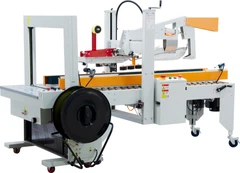
What is the conveyor speed of a packing machine?
Jul 03, 2025
Leave a message
The conveyor speed of a packing machine is a critical parameter that significantly influences the overall efficiency and productivity of the packaging process. As a packing machine supplier, understanding the concept of conveyor speed and its implications is essential for providing optimal solutions to our customers. In this blog post, we will delve into the details of what conveyor speed is, how it affects packing operations, and the factors to consider when determining the appropriate speed for different applications.
What is Conveyor Speed?
Conveyor speed refers to the rate at which the conveyor belt of a packing machine moves. It is typically measured in units such as meters per minute (m/min) or feet per minute (ft/min). The conveyor belt is responsible for transporting products through the various stages of the packing process, including filling, sealing, labeling, and stacking. By controlling the conveyor speed, we can regulate the flow of products and ensure that each packaging operation is carried out smoothly and efficiently.
Importance of Conveyor Speed in Packing Operations
The conveyor speed plays a crucial role in determining the overall throughput and quality of the packing process. Here are some key reasons why it is important:
- Productivity: A higher conveyor speed allows for more products to be packed within a given time frame, increasing the overall productivity of the packing line. This is particularly important for high-volume production environments where meeting production targets is essential.
- Consistency: Maintaining a consistent conveyor speed ensures that each product is packed with the same level of accuracy and quality. This helps to minimize variations in the packaging process and ensures that the final products meet the required standards.
- Efficiency: By optimizing the conveyor speed, we can reduce the idle time between packaging operations and minimize the overall cycle time. This leads to a more efficient use of resources and a lower cost per unit of production.
- Flexibility: The ability to adjust the conveyor speed allows for greater flexibility in the packing process. This is useful when dealing with different product sizes, shapes, and packaging requirements. For example, slower speeds may be required for delicate or fragile products, while faster speeds can be used for more robust items.
Factors Affecting Conveyor Speed
Several factors need to be considered when determining the appropriate conveyor speed for a packing machine. These factors include:
- Product Characteristics: The size, shape, weight, and fragility of the products being packed can have a significant impact on the conveyor speed. Larger or heavier products may require slower speeds to ensure proper handling and stability, while smaller or lighter items can be transported at higher speeds. Delicate or fragile products may also need to be handled more gently, which may require a slower conveyor speed.
- Packaging Requirements: The type of packaging being used, such as boxes, bags, or containers, can also affect the conveyor speed. Some packaging materials may be more prone to damage or deformation at higher speeds, while others may require a specific speed for proper sealing or labeling.
- Machine Capacity: The maximum capacity of the packing machine, including the filling, sealing, and labeling stations, needs to be taken into account when determining the conveyor speed. The conveyor speed should be set to ensure that each station can operate at its optimal capacity without causing bottlenecks or delays.
- Operator Safety: The safety of the operators working on the packing line is of utmost importance. The conveyor speed should be set at a level that allows operators to safely interact with the products and the machine. This may require slower speeds in areas where operators are required to perform manual tasks, such as loading or unloading products.
- Environmental Conditions: The temperature, humidity, and other environmental conditions in the packing area can also affect the conveyor speed. Extreme temperatures or high humidity levels may cause the products or the packaging materials to become sticky or brittle, which can affect the conveyor's performance. In such cases, the conveyor speed may need to be adjusted to ensure smooth operation.
Choosing the Right Conveyor Speed
To choose the right conveyor speed for a packing machine, it is important to conduct a thorough analysis of the specific requirements of the packing process. Here are some steps to follow:
- Understand the Product and Packaging Requirements: Gather detailed information about the products being packed, including their size, shape, weight, and fragility. Also, consider the type of packaging being used and any specific requirements for sealing, labeling, or handling.
- Evaluate the Machine Capacity: Determine the maximum capacity of the packing machine, including the filling, sealing, and labeling stations. This will help you to identify any potential bottlenecks or limitations in the packing process.
- Consider the Operator Safety: Ensure that the conveyor speed is set at a level that allows operators to safely interact with the products and the machine. This may require slower speeds in areas where operators are required to perform manual tasks.
- Test and Optimize: Conduct tests with different conveyor speeds to determine the optimal speed for the specific packing process. Monitor the performance of the machine and the quality of the packed products during the tests, and make adjustments as needed.
- Seek Professional Advice: If you are unsure about the appropriate conveyor speed for your packing machine, it is recommended to seek the advice of a professional packing machine supplier or an engineer. They can provide valuable insights and recommendations based on their experience and expertise.
Examples of Conveyor Speeds for Different Applications
Here are some examples of typical conveyor speeds for different types of packing machines:


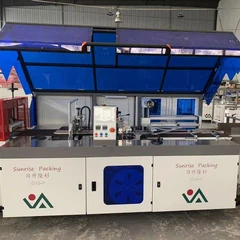
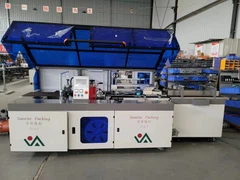
- Automatic Book Packing Machine: Automatic Book Packing Machine The conveyor speed for an automatic book packing machine can range from 10 to 30 m/min, depending on the size and thickness of the books being packed. Slower speeds may be required for larger or heavier books, while faster speeds can be used for smaller or lighter volumes.
- Universal Food Packaging Machine: Universal Food Packaging Machine For a universal food packaging machine, the conveyor speed can vary depending on the type of food being packed and the packaging materials used. Generally, speeds between 15 and 40 m/min are common for food packaging applications.
- Automatic Carton Sealing Machine: Automatic Carton Sealing Machine The conveyor speed for an automatic carton sealing machine typically ranges from 20 to 60 m/min. The speed may need to be adjusted based on the size and weight of the cartons, as well as the type of sealing tape being used.
Conclusion
The conveyor speed of a packing machine is a critical factor that can significantly impact the efficiency, productivity, and quality of the packing process. By understanding the concept of conveyor speed and the factors that affect it, we can choose the right speed for our specific packing applications. As a packing machine supplier, we are committed to providing our customers with the best possible solutions, including optimizing the conveyor speed to meet their unique requirements.
If you are interested in learning more about our packing machines or need assistance in choosing the right conveyor speed for your application, please do not hesitate to contact us. Our team of experts is ready to help you find the perfect packing solution for your business.
References
- Smith, J. (2020). Packaging Machinery Handbook. New York: Wiley.
- Brown, A. (2019). Conveyor Systems Design Handbook. Boca Raton: CRC Press.
- Johnson, R. (2018). Food Packaging Technology. Cambridge: Woodhead Publishing.
Send Inquiry