



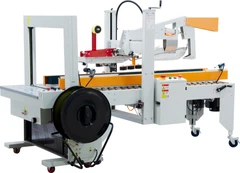
What is the control system of a packing machine like?
Aug 01, 2025
Leave a message
Hey there! As a supplier of packing machines, I often get asked about what the control system of a packing machine is like. Well, let me break it down for you in a way that's easy to understand.
First off, the control system of a packing machine is like the brain of the whole operation. It's responsible for making sure that everything runs smoothly, from the moment the product enters the machine to the time it's all packed up and ready to go.
One of the key components of a packing machine's control system is the programmable logic controller (PLC). Think of the PLC as the central command center. It's a small computer that can be programmed to control different functions of the packing machine. For example, it can control the speed of the conveyor belt, the timing of the filling process, and the sealing mechanism.
The PLC works by receiving input signals from various sensors placed throughout the packing machine. These sensors can detect things like the presence of a product on the conveyor belt, the level of the filling material, and the position of the packaging material. Based on these input signals, the PLC then sends out output signals to the different actuators in the machine, such as motors, solenoids, and valves, to make them perform their specific tasks.
Another important part of the control system is the human - machine interface (HMI). This is the part that allows the operator to interact with the packing machine. It could be a touch screen panel where the operator can set different parameters, such as the packing speed, the size of the package, and the quantity of the product to be packed. The HMI also provides real - time information about the machine's operation, like the current status, any error messages, and the production statistics.
Let's take a look at some specific types of packing machines and how their control systems work.
Universal Food Packaging Machine
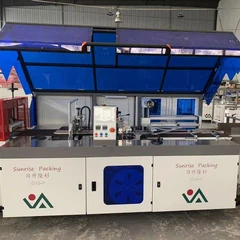
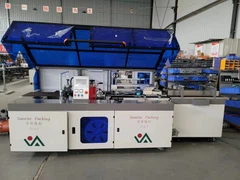
The Universal Food Packaging Machine is designed to handle a wide variety of food products. Its control system needs to be very flexible to accommodate different packaging requirements. For example, when packing dry food like cereals, the control system will adjust the filling amount precisely to ensure each package has the right quantity. The sensors in this machine can detect the weight of the food being filled, and the PLC will stop the filling process once the desired weight is reached.
When it comes to sealing, the control system will control the temperature and pressure of the sealing mechanism. Different types of food packaging materials may require different sealing conditions, and the PLC can be programmed to adjust these parameters accordingly. The HMI allows the operator to easily switch between different product settings, making it quick and efficient to change from one type of food packaging to another.
Box Open Machine
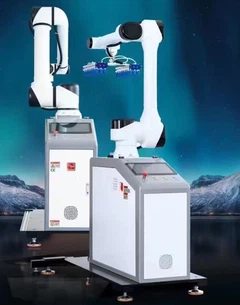
The Box Open Machine is used to open folded cardboard boxes. Its control system focuses on the precise movement of the mechanical parts. Sensors are used to detect the position of the box and ensure that the opening mechanism operates at the right time and with the right force.
The PLC controls the motors that drive the various arms and grippers in the machine. It coordinates their movements so that the box is opened smoothly without any damage. The HMI enables the operator to set the size of the box and other related parameters. This way, the machine can handle different box sizes and styles with ease.
Automatic Book Packing Machine
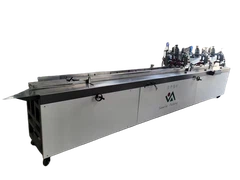
The Automatic Book Packing Machine has a control system that is optimized for handling books. Sensors are used to detect the size and thickness of the books. Based on this information, the PLC will adjust the conveyor speed and the packing material feed.
For example, if a thicker book is detected, the control system will slow down the conveyor slightly to ensure proper wrapping. The sealing process for book packaging also needs to be precise, and the control system will manage the heat and pressure of the sealing unit. The HMI gives the operator the ability to fine - tune the packing process according to different book specifications.
In addition to the PLC and HMI, modern packing machine control systems often include advanced features like remote monitoring and diagnostic capabilities. With the help of the Internet of Things (IoT) technology, the machine can be connected to a network, allowing the manufacturer or the operator to monitor the machine's performance from anywhere in the world. If there is a problem with the machine, the system can send out alerts, and even provide diagnostic information to help troubleshoot the issue quickly.
Now, if you're in the market for a packing machine, you might be wondering how to choose the right one with a good control system. First, consider your specific packaging needs. What kind of products are you packing? What are the packaging requirements in terms of speed, accuracy, and flexibility?


Look for a packing machine with a user - friendly HMI. You don't want your operators to struggle with a complicated interface. Also, check the reliability of the PLC. A high - quality PLC will ensure stable and consistent operation of the machine.
It's also a good idea to look for a machine that offers remote monitoring and diagnostic features. This can save you a lot of time and money in the long run by reducing downtime and maintenance costs.
If you have any questions about our packing machines or their control systems, don't hesitate to reach out. We're here to help you find the perfect packing solution for your business. Whether you need a simple machine for small - scale production or a high - speed, fully automated system for large - scale operations, we've got you covered. Contact us today to start the procurement negotiation process and take your packaging efficiency to the next level!
References
- "Packaging Machinery Technology Handbook"
- Industry research reports on packing machine control systems
Send Inquiry