



What are the safety precautions when operating conveyor belt equipment?
Nov 12, 2025
Leave a message
As a supplier of conveyor belt equipment, I understand the paramount importance of safety when operating these systems. Conveyor belts are widely used in various industries, including manufacturing, mining, food processing, and logistics, to efficiently transport materials from one point to another. However, if not operated and maintained properly, they can pose significant risks to workers and the surrounding environment. In this blog post, I will discuss some essential safety precautions that should be taken when operating conveyor belt equipment.
Pre - operation Checks
Before starting the conveyor belt, a thorough pre - operation check is crucial. This includes inspecting the physical condition of the belt, rollers, pulleys, and other components. Look for signs of wear and tear, such as fraying, cuts, or cracks on the Rubber Belt Conveyor. Check the alignment of the rollers and pulleys to ensure that the belt runs smoothly without any deviation. Loose or misaligned components can cause the belt to slip, jam, or even derail, leading to potential accidents.

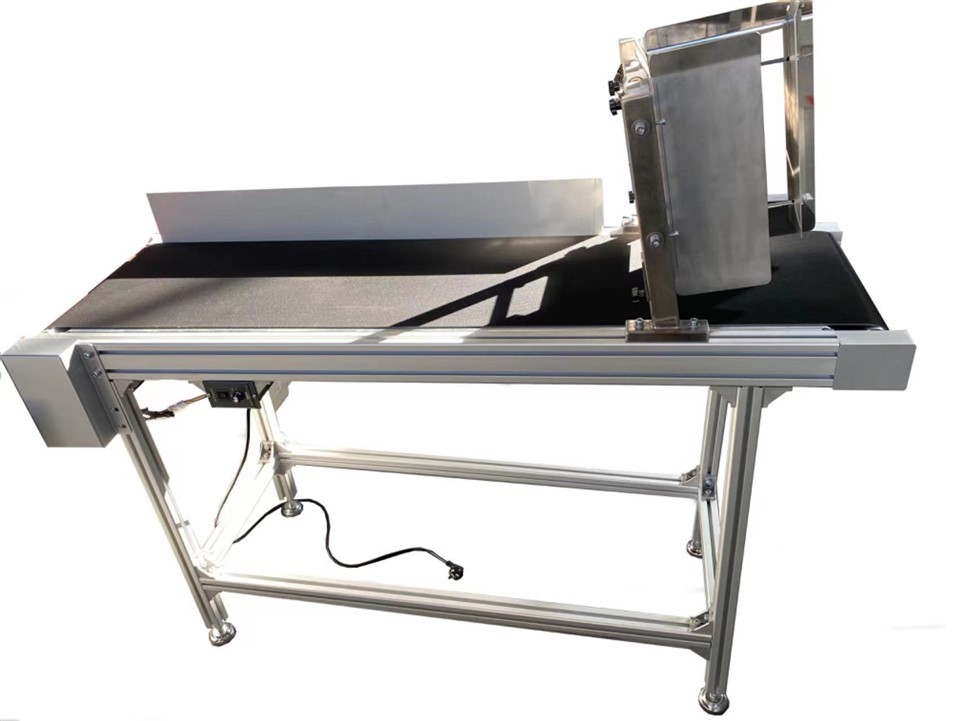
Inspect the safety guards and barriers around the conveyor. These are designed to prevent workers from coming into contact with moving parts. Make sure that all guards are in place, intact, and properly secured. Any damaged or missing guards should be replaced immediately. Additionally, check the emergency stop buttons and ensure they are functioning correctly. These buttons are a critical safety feature that can quickly halt the conveyor in case of an emergency.
Operator Training
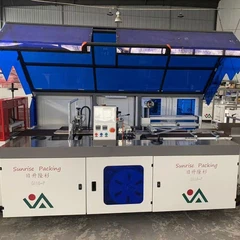
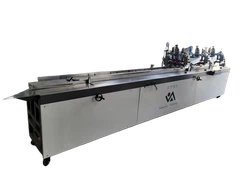
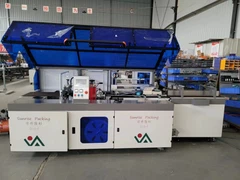
Proper training is essential for all employees who will be operating the conveyor belt equipment. Operators should be familiar with the specific type of conveyor they are using, whether it is a Packing Conveyor or Power Belt Conveyors. Training should cover topics such as equipment operation, safety procedures, and emergency response.
Operators should learn how to start and stop the conveyor safely, adjust the speed, and load and unload materials correctly. They should also be trained on how to identify potential hazards, such as blockages or abnormal noises, and know the appropriate actions to take. Regular refresher courses should be provided to keep operators updated on the latest safety practices and any changes in the equipment.
Personal Protective Equipment (PPE)
Wearing the appropriate personal protective equipment is a must when working around conveyor belt equipment. This includes safety glasses to protect the eyes from flying debris, gloves to prevent hand injuries, and safety shoes with steel toes to protect the feet from heavy objects or crushing hazards. In some cases, hearing protection may also be required, especially if the conveyor operates at a high noise level.
Long hair should be tied back, and loose clothing should be avoided as they can get caught in the moving parts of the conveyor. Jewelry and other dangling objects should also be removed to prevent entanglement.
Loading and Unloading
When loading materials onto the conveyor, it is important to do so evenly and within the recommended capacity. Overloading the conveyor can cause excessive stress on the belt and other components, leading to premature wear and potential failure. Materials should be placed in the center of the belt to ensure proper tracking.
During unloading, operators should use proper techniques to prevent materials from falling off the conveyor and causing injuries. If necessary, use chutes or other devices to guide the materials safely. Make sure that the area around the unloading point is clear of any obstacles or personnel.
Maintenance and Inspection
Regular maintenance and inspection are key to ensuring the safe operation of conveyor belt equipment. A maintenance schedule should be established and followed strictly. This includes cleaning the conveyor regularly to remove dirt, debris, and any buildup that could affect its performance.
Inspect the belt tension regularly and adjust it as needed. A loose belt can slip, while an overly tight belt can cause excessive wear on the rollers and pulleys. Check the lubrication of all moving parts, such as bearings and gears, and replenish the lubricant as required.
Replace worn - out components promptly. This includes belts, rollers, and pulleys. Using damaged or worn components can increase the risk of accidents and reduce the efficiency of the conveyor.
Emergency Preparedness
Even with all the safety precautions in place, emergencies can still occur. Therefore, it is important to have an emergency plan in place. This plan should include procedures for responding to various types of emergencies, such as fires, belt jams, or personnel injuries.
All employees should be familiar with the emergency plan and know where to find the emergency stop buttons, fire extinguishers, and first - aid kits. Regular emergency drills should be conducted to ensure that employees can respond quickly and effectively in case of an emergency.
Environmental Considerations
The environment in which the conveyor belt operates can also affect its safety. For example, in a dusty environment, proper ventilation should be provided to prevent the accumulation of dust, which can be a fire hazard and also cause respiratory problems for workers.
In wet or slippery conditions, anti - slip measures should be taken. This may include using non - slip flooring around the conveyor or installing covers to protect the belt from moisture.
Lockout/Tagout Procedures
When performing maintenance or repair work on the conveyor belt equipment, lockout/tagout procedures must be followed. This involves isolating the equipment from its power source and applying a lock and a tag to prevent it from being accidentally started. Only authorized personnel should be allowed to perform lockout/tagout procedures.
Before starting any maintenance work, make sure that the conveyor is completely stopped, and all stored energy, such as hydraulic or pneumatic pressure, is released. This helps to prevent unexpected movement of the conveyor and protects workers from potential injuries.
Conclusion
Safety should always be the top priority when operating conveyor belt equipment. By following these safety precautions, including pre - operation checks, operator training, wearing PPE, proper loading and unloading, regular maintenance, emergency preparedness, environmental considerations, and lockout/tagout procedures, the risk of accidents can be significantly reduced.
As a conveyor belt equipment supplier, I am committed to providing high - quality products and ensuring that our customers have all the information they need to operate our equipment safely. If you are in the market for conveyor belt equipment or have any questions about safety precautions, I encourage you to contact us for a detailed discussion. We can help you select the right conveyor for your specific needs and provide you with comprehensive safety guidelines.
References
- OSHA (Occupational Safety and Health Administration) guidelines on conveyor safety
- Manufacturer's manuals for conveyor belt equipment
- Industry best practices for conveyor operation and maintenance
Send Inquiry