


What are the future development directions of high speed labelers?
Oct 08, 2025
Leave a message
In the ever - evolving packaging industry, high - speed labelers play a crucial role. As a leading high - speed labeler supplier, I've witnessed firsthand the remarkable changes and advancements in this field. This blog will explore the future development directions of high - speed labelers, which are essential for businesses aiming to stay competitive in the market.
1. Enhanced Precision and Accuracy
One of the primary future directions for high - speed labelers is the continuous improvement of precision and accuracy. In today's market, consumers are more discerning than ever, and the appearance of a product's label can significantly influence purchasing decisions. High - speed labelers need to ensure that labels are applied with pinpoint accuracy, regardless of the shape, size, or material of the product.
Advancements in sensor technology will be a key factor in achieving this goal. Modern sensors can detect the exact position and orientation of a product in real - time, allowing the labeler to adjust its application process accordingly. For example, vision sensors can identify any irregularities on the product surface and make micro - adjustments to ensure that the label adheres perfectly. This level of precision not only enhances the aesthetic appeal of the product but also reduces waste and rework.
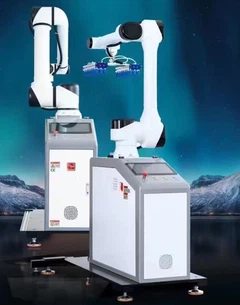
Moreover, as products become more complex, such as those with curved or irregular surfaces, high - speed labelers will need to develop new application techniques. For instance, some labelers are already using robotic arms to apply labels in a more flexible and precise manner. These robotic systems can adapt to different product geometries, ensuring that labels are applied smoothly and evenly.
2. Integration with Industry 4.0
The concept of Industry 4.0, which emphasizes the integration of digital technologies into manufacturing processes, is set to have a profound impact on high - speed labelers. In the future, high - speed labelers will be more connected, intelligent, and automated.
Connectivity will allow high - speed labelers to communicate with other machines in the production line, such as filling machines and packaging machines. This seamless integration enables real - time data sharing and coordination, optimizing the overall production process. For example, if a filling machine detects a change in the product volume, it can immediately send a signal to the high - speed labeler to adjust the label size or position accordingly.
Artificial intelligence (AI) and machine learning (ML) will also play a significant role in the future of high - speed labelers. These technologies can analyze large amounts of data collected from the production process, such as label application speed, accuracy, and error rates. By identifying patterns and trends, AI and ML algorithms can optimize the labeler's performance, predict maintenance needs, and even detect potential quality issues before they occur.
Automation will continue to be a driving force in the development of high - speed labelers. Future labelers will be able to operate with minimal human intervention, thanks to features such as automatic label feeding, adjustment, and cleaning. This not only increases productivity but also reduces labor costs and the risk of human error.
3. Sustainability
Sustainability is a growing concern in the packaging industry, and high - speed labelers are no exception. In the future, high - speed labelers will need to adopt more sustainable practices to meet the demands of environmentally conscious consumers and regulatory requirements.
One area of focus will be the reduction of label waste. High - speed labelers can be designed to optimize label usage, minimizing the amount of excess material. For example, some labelers are already using advanced cutting techniques to reduce the space between labels, resulting in less waste. Additionally, the use of recyclable and biodegradable label materials will become more widespread.
Energy efficiency is another important aspect of sustainability. High - speed labelers can be equipped with energy - saving features, such as variable - speed drives and intelligent power management systems. These technologies can reduce the energy consumption of the labeler without compromising its performance.

4. Customization and Flexibility
Consumers today demand more personalized products, and this trend is also reflected in the packaging industry. High - speed labelers will need to be more customizable and flexible to meet the diverse needs of different products and customers.
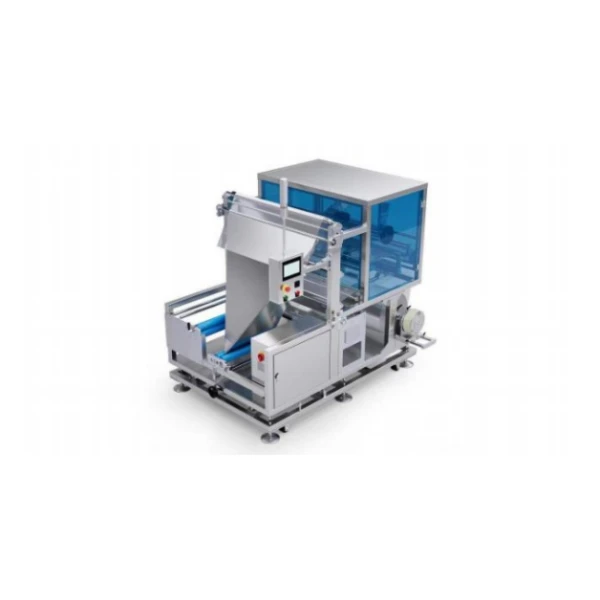
In terms of label design, high - speed labelers will be able to handle a wider range of label sizes, shapes, and materials. This includes the ability to apply labels with unique features, such as holograms, QR codes, and RFID tags. For example, a Notebook Labeling Machine can be customized to apply labels with specific information for different notebook models.
Flexibility also extends to the product handling capabilities of high - speed labelers. Future labelers will be able to handle a variety of product types, from small bottles to large containers, with minimal changeover time. This allows manufacturers to quickly switch between different products on the same production line, increasing efficiency and reducing downtime.
5. Improved User Experience
The user experience of high - speed labelers will also be a focus of future development. Operators need to be able to easily set up, operate, and maintain the labeler, even with limited technical knowledge.
Intuitive user interfaces will become standard in high - speed labelers. These interfaces will use touchscreens and graphical displays to provide clear instructions and real - time feedback. For example, an operator can use a touchscreen to select a specific label application program, adjust the labeler's settings, and monitor the production process.
Remote monitoring and troubleshooting capabilities will also be enhanced. Manufacturers can use cloud - based technologies to remotely access the labeler's data and diagnose problems. This reduces the need for on - site maintenance and allows for faster resolution of issues.
Conclusion
The future of high - speed labelers is filled with exciting possibilities. From enhanced precision and accuracy to integration with Industry 4.0, sustainability, customization, and improved user experience, these developments will shape the way products are labeled in the years to come.
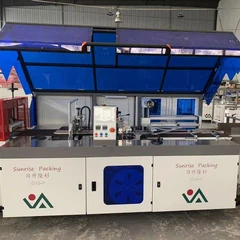
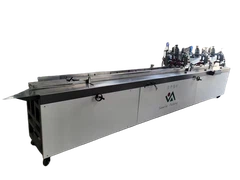
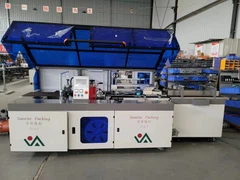
As a high - speed labeler supplier, we are committed to staying at the forefront of these technological advancements. We offer a wide range of high - speed labelers, including Automatic Labeling Machine and POF Easy Tear Labeling Machine, which are designed to meet the diverse needs of our customers.
If you are interested in learning more about our high - speed labelers or would like to discuss your specific requirements, we invite you to contact us for a detailed consultation. Our team of experts is ready to assist you in finding the best labeling solution for your business.
References
- Smith, J. (2020). The Future of Packaging Machinery. Packaging World.
- Johnson, A. (2021). Industry 4.0 and its Impact on Manufacturing. Manufacturing Insights.
- Green, B. (2022). Sustainable Packaging Trends. Packaging Today.
Send Inquiry