


What are the comparison methods between different models of high speed labelers?
Jan 05, 2026
Leave a message
Hey there! As a supplier of high speed labelers, I've seen all sorts of models out there in the market. And let me tell you, comparing different models of high speed labelers can be a real challenge. But don't worry, I'm here to break it down for you and share some of the key comparison methods that I've found useful over the years.
1. Speed and Efficiency
One of the most obvious things to look at when comparing high speed labelers is their speed. After all, the whole point of a high speed labeler is to label products quickly. But it's not just about how many labels it can apply per minute. You also need to consider the efficiency of the labeling process.
For example, some labelers might be able to apply a large number of labels quickly, but they could have a high rate of mislabeled products. This means you'll end up wasting time and money on rework. On the other hand, a labeler that has a slightly lower speed but a very high accuracy rate could actually be more efficient in the long run.
To compare the speed and efficiency of different models, you can look at the manufacturer's specifications. They usually provide information on the maximum labeling speed and the expected accuracy rate. You can also ask for case studies or customer testimonials to see how the labelers perform in real - world situations.
2. Labeling Accuracy
Accuracy is crucial when it comes to labeling. A misaligned or crooked label can make a product look unprofessional and could even lead to customer complaints. When comparing labelers, pay close attention to how they ensure labeling accuracy.
Some high speed labelers use advanced sensors and control systems to detect the position of the product and place the label precisely. Others might have adjustable guides or mechanical alignment features. You can also look for labelers that offer self - calibration options, which can help maintain accuracy over time.
For instance, if you're labeling small, delicate products, you'll need a labeler with very high precision. On the other hand, if you're labeling large, bulk items, a labeler with a slightly lower accuracy but higher speed might be more suitable.
3. Versatility
Another important factor to consider is the versatility of the labeler. Can it handle different types of labels? Different shapes and sizes of products? A versatile labeler can be a great investment as it can adapt to changing production needs.
Some labelers are designed specifically for a single type of label, like round labels or square labels. Others can handle a wide variety of label shapes, sizes, and materials, including paper, plastic, and even metallic labels.
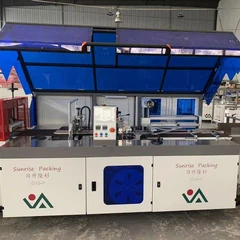
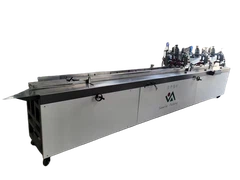
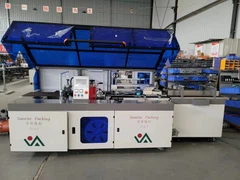
Similarly, consider the range of product sizes and shapes the labeler can accommodate. If your production line includes products of different dimensions, you'll want a labeler that can adjust easily. For example, Notebook Labeling Machine is designed to handle the specific requirements of labeling notebooks, but you might need a more versatile labeler if you also label other types of products.
4. Ease of Use and Maintenance
No one wants a labeler that's complicated to operate and maintain. A user - friendly labeler can save you a lot of time and frustration. Look for labelers with intuitive control panels and easy - to - understand instructions.
Maintenance is also a key consideration. Some labelers require frequent cleaning, lubrication, and part replacements. Others are designed with self - cleaning features or have long - lasting components that reduce the need for maintenance.
When comparing models, ask about the maintenance requirements and the availability of spare parts. A labeler with readily available spare parts can minimize downtime in case of a breakdown.
5. Cost
Of course, cost is always a factor when making a purchasing decision. But it's important to look at the total cost of ownership, not just the initial purchase price.
The total cost of ownership includes the purchase price, installation costs, operating costs (such as energy consumption), and maintenance costs. A labeler that has a lower purchase price but high operating and maintenance costs might end up being more expensive in the long run.
You can also consider the return on investment (ROI). A high - quality, efficient labeler might have a higher upfront cost but could pay for itself through increased productivity and reduced waste.
6. Integration with Existing Production Lines
If you already have a production line in place, you'll want a labeler that can integrate smoothly with it. This means considering factors like the physical size of the labeler, its connection interfaces, and its compatibility with other equipment.
Some labelers are designed to be standalone units, while others can be easily integrated into a fully automated production line. If you're looking to upgrade your existing production line, make sure the labeler you choose can communicate effectively with other machines, such as conveyors, fillers, and sealers.
7. After - Sales Support
Good after - sales support is essential when purchasing a high speed labeler. You'll want a supplier that can provide technical support, training, and quick response times in case of any issues.

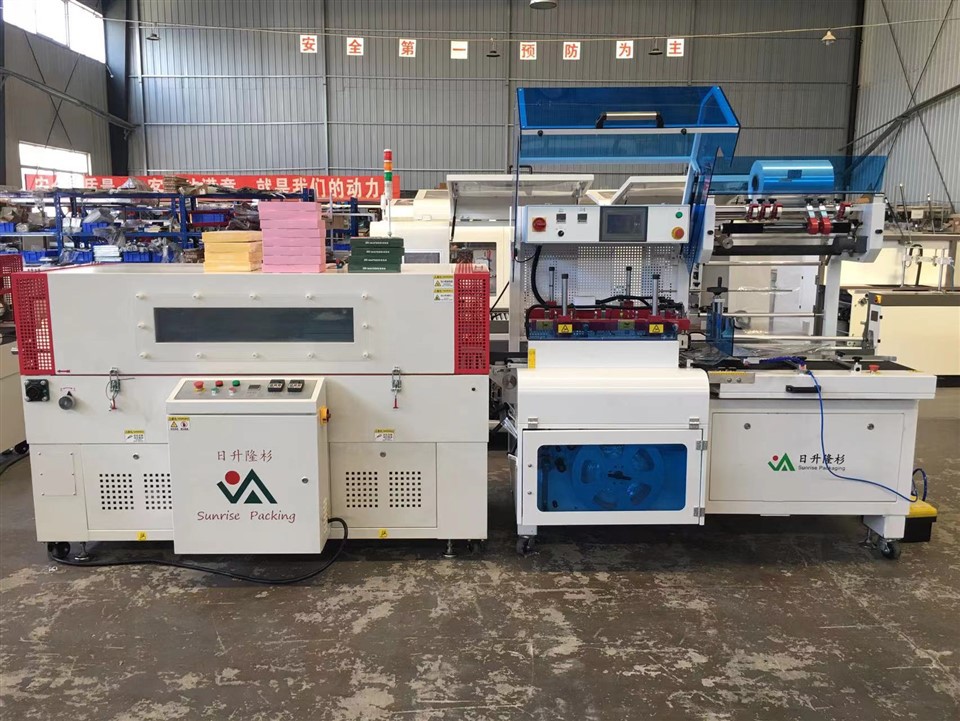
When comparing different models and suppliers, ask about their after - sales service. Do they offer on - site training? Do they have a 24/7 support hotline? What's their warranty policy?
A supplier with excellent after - sales support can give you peace of mind and ensure that your labeler operates smoothly for years to come.
Conclusion
Comparing different models of high speed labelers requires a careful consideration of multiple factors. From speed and accuracy to versatility and cost, each aspect plays a crucial role in determining the best labeler for your needs.
If you're in the market for a high speed labeler and need more information or have specific requirements, don't hesitate to reach out. We're here to help you find the perfect labeler for your production line. Whether you're looking for a Box Food Shrink Packing Machine, a Notebook Labeling Machine, or an Automatic Label Dispenser, we've got you covered.
So, if you're ready to take your labeling process to the next level, let's start the conversation and find the ideal high speed labeler for your business.
References
- Industry reports on high speed labelers
- Manufacturer's product brochures and specifications
- Customer testimonials and case studies from high speed labeler users
Send Inquiry