




What are the common maintenance problems of a belt conveyor?
Jun 24, 2025
Leave a message
Hey there! As a belt conveyor supplier, I've seen my fair share of maintenance issues with these workhorses of the industrial world. Belt conveyors are super useful, used in all sorts of industries like mining, manufacturing, and logistics. But just like any piece of equipment, they can run into problems. Let's dive into some of the common maintenance problems you might encounter with a belt conveyor.
Belt Slippage
One of the most frequent issues we come across is belt slippage. This happens when the belt doesn't grip the drive pulley properly. There are a few reasons for this. First off, the tension of the belt might be too loose. Over time, belts can stretch, and if you don't adjust the tension, it won't have enough friction to move smoothly. Another culprit could be a dirty or oily drive pulley. When the surface of the pulley gets contaminated, the belt can't hold on as well.
To fix this, you can start by checking the belt tension. Most belt conveyors have an adjustment mechanism that allows you to tighten the belt. If the pulley is dirty, clean it with a suitable cleaning agent. For stubborn oil stains, you might need to use a degreaser. And if the problem persists, it could be that the belt is worn out and needs to be replaced. You can check out our Power Belt Conveyors for high - quality belts that are less likely to slip.
Belt Misalignment
Belt misalignment is another headache. When the belt runs off - center, it can cause uneven wear, damage to the belt edges, and even jams. There are several factors that can lead to misalignment. Improper installation is a big one. If the conveyor frame isn't level or the pulleys aren't aligned correctly during installation, the belt will start to drift. Uneven loading is also a common cause. If the material is dumped onto one side of the belt, it can push the belt out of place.
To correct belt misalignment, you need to first identify the cause. Check the alignment of the pulleys. You can use a straightedge or a laser alignment tool to make sure they are parallel. If the problem is due to uneven loading, try to distribute the load more evenly. Some conveyors come with adjustable side guides that can help keep the belt in place. And if you're looking for a new conveyor with better alignment features, we have a great selection of Packing Conveyor options.
Wear and Tear of Belt
The belt itself is prone to wear and tear. Constant friction with the pulleys, rollers, and the material being transported can take a toll on it. Sharp or abrasive materials can cut or scrape the belt surface, leading to holes or tears. Over time, the edges of the belt can also fray. High - speed operation can accelerate this wear process.
To extend the life of the belt, you can choose a belt with high - quality materials. For abrasive applications, a belt with a thicker, more durable cover is a good choice. Regularly inspect the belt for signs of wear. If you notice small cuts or tears, you can repair them using a belt repair kit. But if the damage is extensive, it's time to replace the belt. As a Belt Conveyor Manufacturers, we offer a wide range of belts designed to withstand different levels of wear.
Roller and Pulley Issues
Rollers and pulleys are essential components of a belt conveyor, and they can also have their own set of problems. Bearings in the rollers can fail due to lack of lubrication or excessive load. When a bearing fails, the roller can seize up, causing the belt to drag and potentially damage it. Pulleys can also develop surface wear, which can affect the belt's grip and tracking.
To prevent roller and pulley problems, make sure to lubricate the bearings regularly according to the manufacturer's recommendations. Inspect the rollers for any signs of damage or abnormal noise. If a roller is making a grinding or squeaking sound, it might be a sign that the bearing is failing. For pulleys, check the surface for wear and replace them if necessary.
Motor and Drive Problems
The motor and drive system are what power the belt conveyor, and any issues here can bring the whole operation to a halt. Overheating is a common problem with motors. This can be caused by overloading, poor ventilation, or a faulty cooling system. Electrical problems such as short circuits or loose connections can also disrupt the motor's operation.
If you notice that the motor is overheating, first check the load on the conveyor. Make sure it's not exceeding the rated capacity. Check the ventilation around the motor and clean any blocked air vents. For electrical issues, it's best to have a qualified electrician inspect the wiring and connections. We can provide you with advice on the right motor and drive system for your conveyor needs.
Cleaning and Contamination
Belt conveyors can get dirty quickly, especially when they are used to transport materials like food, chemicals, or minerals. Contamination can not only affect the performance of the conveyor but also pose a risk to the quality of the product being transported. For example, in a food processing plant, a dirty conveyor can lead to cross - contamination.
Regular cleaning is essential. You can use a variety of cleaning methods depending on the type of contamination. For light dirt, a simple brush and water might be enough. For more stubborn stains, you might need to use a cleaning solution. Make sure to follow the safety guidelines when using cleaning chemicals. And if you're in an industry with strict hygiene requirements, we can recommend conveyors with easy - to - clean designs.
Noise and Vibration
Excessive noise and vibration are signs that something is wrong with the conveyor. Loose components, misaligned parts, or worn - out bearings can all cause increased noise and vibration. Not only is it annoying, but it can also indicate potential damage to the conveyor.
To address noise and vibration issues, start by tightening any loose bolts or nuts. Check the alignment of the pulleys and rollers. If the problem is due to worn - out bearings, replace them. Sometimes, adding vibration dampeners can also help reduce the noise and vibration levels.
In conclusion, while belt conveyors are reliable and efficient, they do require proper maintenance to keep them running smoothly. By being aware of these common maintenance problems and taking proactive steps to address them, you can extend the lifespan of your conveyor and avoid costly downtime.

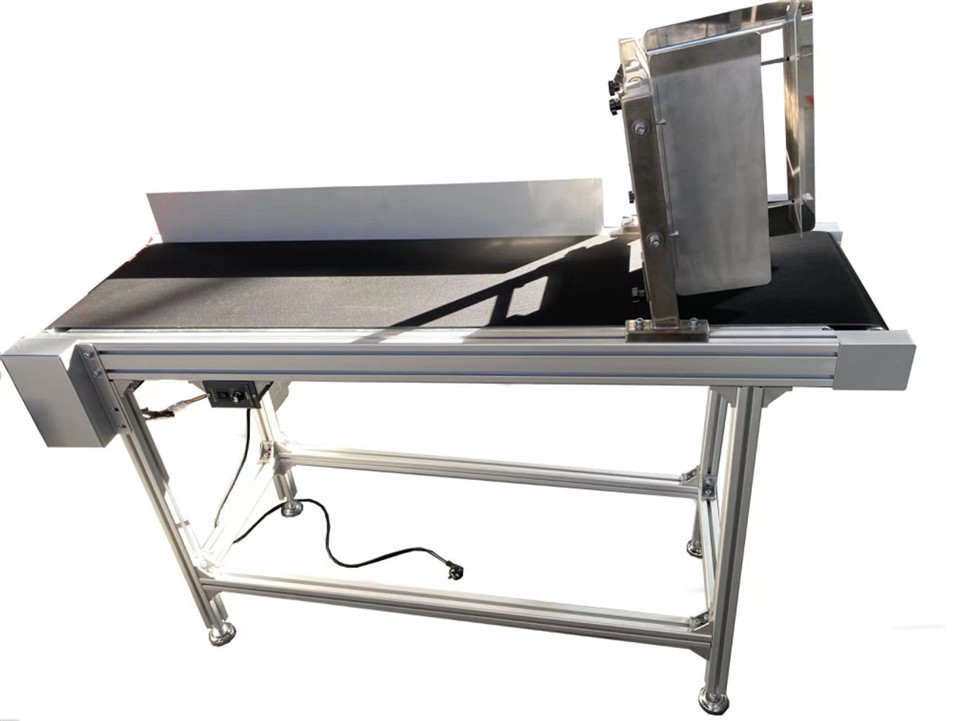
If you're in the market for a new belt conveyor or need replacement parts, we're here to help. We have a wide range of high - quality belt conveyors and components to meet your specific needs. Contact us to start a procurement discussion and find the best solution for your business.
References
- "Belt Conveyor Handbook" - A comprehensive guide on belt conveyor design, operation, and maintenance.
- Industry - specific technical manuals on conveyor systems.
Send Inquiry