



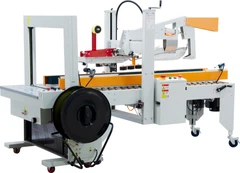
What are the anti - static requirements for a packing stacker?
Oct 24, 2025
Leave a message
Hey there! As a packing stacker supplier, I've seen firsthand how crucial anti - static requirements are in the world of packing stackers. In this blog, I'm gonna break down these requirements and explain why they matter so much.
Why Anti - Static Requirements Matter
First off, let's talk about why we even need to worry about anti - static in packing stackers. Static electricity can cause a whole bunch of problems. For one, it can attract dust and debris to the products being stacked. This is a huge no - no, especially if you're dealing with sensitive items like electronics or food products. Dust on these items can lead to malfunctions or contamination.
Another big issue is that static electricity can cause electrical interference. In modern packing stackers, there are a lot of electronic components that control the stacking process. Static discharges can mess with these components, leading to errors in the stacking operation. This can result in damaged products, inefficient packing, and even safety hazards for the operators.
Anti - Static Design Features
When it comes to designing a packing stacker with anti - static capabilities, there are several key features to consider.
Conductive Materials
One of the most basic ways to prevent static buildup is by using conductive materials in the construction of the packing stacker. For example, the frames and platforms of the stacker can be made from conductive metals like aluminum or steel. These materials allow static charges to flow through them and be safely grounded.
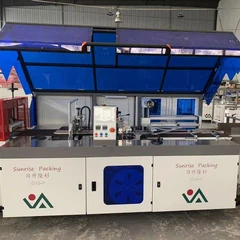
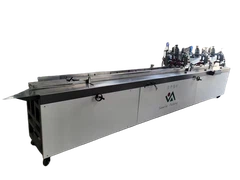
We at our company make sure that our Packing Stacker uses high - quality conductive materials. This helps in minimizing the risk of static - related issues right from the start.
Anti - Static Coatings
In addition to using conductive materials, anti - static coatings can also be applied to the surfaces of the packing stacker. These coatings work by reducing the surface resistance of the materials, which helps to dissipate static charges more quickly.
Anti - static coatings are especially useful on areas where products come into direct contact with the stacker, such as the conveyor belts and stacking arms. By applying these coatings, we can ensure that the products being stacked don't pick up static charges during the packing process.
Grounding Systems
A proper grounding system is essential for any packing stacker. Grounding provides a path for static charges to flow safely into the ground, preventing them from building up on the stacker.
Our packing stackers are equipped with reliable grounding systems. These systems are designed to be easy to install and maintain. They ensure that any static charges generated during the operation of the stacker are quickly and effectively grounded, reducing the risk of static - related problems.


Anti - Static Requirements in Different Environments
The anti - static requirements for a packing stacker can vary depending on the environment in which it operates.
Dry Environments
In dry environments, static electricity is more likely to build up because there is less moisture in the air to help dissipate charges. In these situations, the anti - static features of the packing stacker need to be even more robust.
For example, in a warehouse with low humidity, we might recommend using additional anti - static devices like ionizers. Ionizers work by generating ions that neutralize static charges in the air. This can help to reduce the overall static charge in the environment and minimize the risk of static buildup on the packing stacker and the products being stacked.
Cleanroom Environments
Cleanroom environments have very strict anti - static requirements. These environments are used for manufacturing and packing sensitive products like semiconductors and pharmaceuticals.
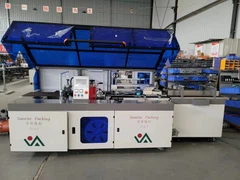
In cleanrooms, our Automatic Book Stacker is designed to meet the highest anti - static standards. We use special materials and coatings that are approved for use in cleanroom environments. Additionally, the stacker is designed to minimize the generation of particles, which can be attracted by static charges.
Operator Training and Safety
It's not just about the design of the packing stacker; operator training also plays a crucial role in meeting anti - static requirements.
Operators need to be trained on how to handle the stacker in a way that minimizes the generation of static charges. For example, they should be taught to avoid wearing synthetic clothing, which can generate a lot of static electricity. Instead, they should wear anti - static clothing and shoes.
We also provide safety guidelines to our customers. These guidelines include instructions on how to properly ground the stacker, how to use anti - static tools, and what to do in case of a static discharge. By following these guidelines, operators can help to ensure the safe and efficient operation of the packing stacker.
Maintenance and Monitoring
Regular maintenance and monitoring are necessary to keep the anti - static features of the packing stacker working effectively.
We recommend that our customers perform regular inspections of the grounding systems, conductive materials, and anti - static coatings. Any signs of wear or damage should be addressed immediately to prevent static - related problems.
Monitoring the static levels in the environment around the packing stacker is also important. This can be done using static meters. By regularly checking the static levels, operators can take proactive measures to prevent static buildup.
Conclusion
In conclusion, anti - static requirements are a critical aspect of packing stacker design and operation. By using conductive materials, anti - static coatings, and proper grounding systems, we can minimize the risk of static - related problems. Different environments have different anti - static needs, and operator training and maintenance are also key factors in ensuring the safe and efficient operation of the packing stacker.
If you're in the market for a packing stacker and are concerned about anti - static requirements, don't hesitate to reach out. We're here to help you find the perfect packing stacker that meets all your needs. Whether you need a standard Packing Stacker or a specialized Automatic Book Stacker, we've got you covered. Contact us today to start the procurement discussion and find the best solution for your business.
References
- "Industrial Static Control Handbook", various authors
- "Electrostatic Discharge in Manufacturing Environments", industry research reports
Send Inquiry