



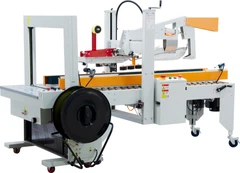
How to program an automated packing stacker?
May 20, 2025
Leave a message
As a supplier of packing stackers, I'm often asked about the process of programming an automated packing stacker. In this blog post, I'll share some insights and steps to guide you through this technical yet rewarding task.


Understanding the Basics of an Automated Packing Stacker
Before diving into programming, it's essential to have a solid understanding of what an automated packing stacker is and how it operates. An automated packing stacker is a machine designed to stack products or items in an organized manner, usually for storage or transportation purposes. It can handle a wide range of products, from small boxes to large pallets.
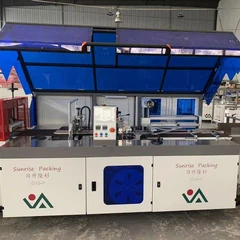
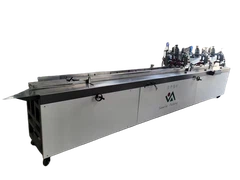
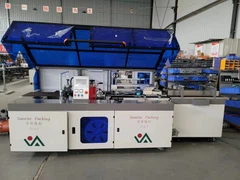
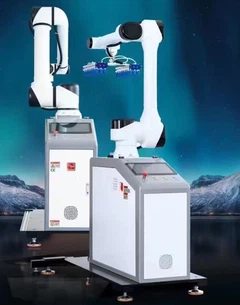
The main components of an automated packing stacker typically include a conveyor system, a robotic arm or stacking mechanism, sensors for detecting product position and orientation, and a control system. The control system is where the programming comes in, as it dictates how the machine moves, picks up, and stacks the products.
Step 1: Define the Requirements
The first step in programming an automated packing stacker is to define the specific requirements of your application. This includes:
- Product Specifications: Determine the size, shape, weight, and material of the products that will be stacked. This information is crucial for selecting the appropriate stacking method and ensuring that the machine can handle the products safely and efficiently.
- Stacking Pattern: Decide on the desired stacking pattern, such as a single layer, multiple layers, or a specific arrangement. The stacking pattern will influence the programming logic and the movement of the robotic arm or stacking mechanism.
- Production Rate: Estimate the required production rate, which is the number of products that need to be stacked per unit of time. This will help determine the speed and efficiency of the machine and guide the programming optimization.
Step 2: Select the Programming Language and Platform
Once you have defined the requirements, the next step is to select the appropriate programming language and platform for your automated packing stacker. There are several programming languages and platforms available, each with its own advantages and disadvantages.
- PLC Programming: Programmable Logic Controllers (PLCs) are commonly used in industrial automation, including packing stackers. PLC programming languages such as ladder logic, structured text, and function block diagram are widely used for controlling the machine's logic and operations. PLCs offer reliability, flexibility, and easy integration with other industrial devices.
- Robotic Programming Languages: If your packing stacker uses a robotic arm, you may need to use a robotic programming language such as Teach Pendant Programming or Offline Programming. Teach Pendant Programming allows you to manually teach the robot the desired movements and positions, while Offline Programming enables you to create and simulate the robot's programs on a computer before transferring them to the robot.
- High-Level Programming Languages: In some cases, you may also use high-level programming languages such as Python or C++ to develop custom control algorithms or interfaces for your packing stacker. These languages offer more flexibility and advanced features but may require more programming skills.
Step 3: Design the Control Logic
After selecting the programming language and platform, the next step is to design the control logic for your automated packing stacker. The control logic is the set of rules and instructions that govern the machine's behavior and operations.
- Input and Output Signals: Identify the input and output signals of the machine, such as sensors, actuators, and control buttons. These signals will be used to monitor the machine's status and control its movements.
- Sequence of Operations: Define the sequence of operations that the machine needs to perform, such as picking up a product, moving it to the stacking position, and placing it on the stack. The sequence of operations should be designed to ensure smooth and efficient stacking.
- Error Handling: Incorporate error handling mechanisms into the control logic to detect and handle any errors or faults that may occur during the operation of the machine. This includes error messages, alarms, and automatic shutdown procedures.
Step 4: Implement the Programming
Once you have designed the control logic, the next step is to implement the programming using the selected programming language and platform. This involves writing the code, testing it, and debugging any errors.
- Code Development: Write the code for the control logic using the programming language and platform of your choice. Make sure to follow the best practices and coding standards to ensure the reliability and maintainability of the code.
- Testing and Debugging: Test the code on a test bench or a simulation environment to verify its functionality and performance. Use debugging tools to identify and fix any errors or bugs in the code.
- Integration with Hardware: Once the code has been tested and debugged, integrate it with the hardware components of the packing stacker, such as the PLC, robotic arm, and sensors. Make sure to configure the hardware settings and parameters correctly to ensure proper operation.
Step 5: Optimize and Fine-Tune the Programming
After implementing the programming, the final step is to optimize and fine-tune the programming to improve the performance and efficiency of the automated packing stacker. This involves:
- Performance Optimization: Analyze the performance of the machine and identify any bottlenecks or areas for improvement. Optimize the control logic and the code to reduce the cycle time, increase the production rate, and improve the accuracy of the stacking.
- Fine-Tuning: Fine-tune the parameters and settings of the machine, such as the speed, acceleration, and deceleration of the robotic arm, to ensure smooth and stable operation. Make adjustments based on the feedback from the sensors and the actual performance of the machine.
- Safety and Reliability: Ensure that the programming includes appropriate safety features and mechanisms to prevent accidents and ensure the reliability of the machine. This includes emergency stop buttons, safety interlocks, and fault detection and recovery procedures.
Conclusion
Programming an automated packing stacker is a complex but rewarding task that requires a combination of technical skills, knowledge, and experience. By following the steps outlined in this blog post, you can design and implement a reliable and efficient control system for your packing stacker.
If you're interested in learning more about our Packing Stacker products or need assistance with programming or customization, please feel free to contact us. We're a leading supplier of packing stackers and have a team of experts who can provide you with the support and guidance you need.
References
- "Industrial Automation Handbook" by John Doe
- "Robotics Programming and Control" by Jane Smith
- "PLC Programming for Beginners" by Tom Brown
Send Inquiry