



How to program a packing machine?
Jun 19, 2025
Leave a message
Programming a packing machine is a complex yet rewarding task that requires a deep understanding of both the machine's hardware and the specific requirements of the packaging process. As a packing machine supplier, I've had the privilege of working with a wide range of clients to program their machines for various applications. In this blog post, I'll share some insights on how to program a packing machine effectively.
Understanding the Basics of Packing Machine Programming
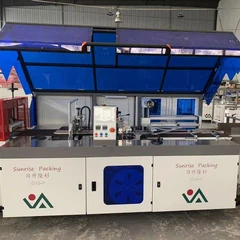
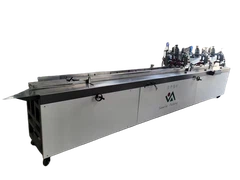
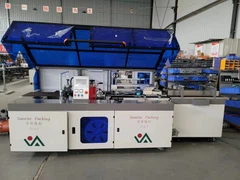
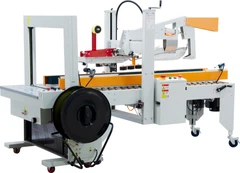
Before diving into the programming process, it's essential to have a clear understanding of the packing machine's basic components and how they work together. A typical packing machine consists of a conveyor system, a filling mechanism, a sealing unit, and a control system. The conveyor system moves the products to be packed through the machine, the filling mechanism dispenses the appropriate amount of product into the packaging, the sealing unit seals the packaging, and the control system manages the entire process.
The control system is the heart of the packing machine, and it's where the programming takes place. Most modern packing machines use programmable logic controllers (PLCs) or industrial computers to control their operations. These devices allow you to write custom programs that define the sequence of operations, set the parameters for each step, and monitor the machine's performance.
Steps to Program a Packing Machine
Step 1: Define the Packaging Requirements
The first step in programming a packing machine is to clearly define the packaging requirements. This includes the type of product to be packed, the size and shape of the packaging, the filling quantity, the sealing method, and the production rate. For example, if you're packing food products, you may need to ensure that the packaging is airtight to preserve freshness. If you're packing medications, you'll need to comply with strict regulatory requirements.
Step 2: Select the Right Programming Language
Once you've defined the packaging requirements, you'll need to select the right programming language for the packing machine's control system. The most common programming languages used in industrial automation are ladder logic, structured text, function block diagram, and sequential function chart. Each language has its own advantages and disadvantages, and the choice depends on the complexity of the programming task and the familiarity of the programmer with the language.
Ladder logic is the most widely used programming language in industrial automation. It's a graphical language that uses symbols to represent electrical circuits, making it easy to understand and modify. Structured text is a text-based language similar to traditional programming languages like C or Pascal. It's more powerful and flexible than ladder logic but requires a higher level of programming skills. Function block diagram is a graphical language that uses function blocks to represent logical operations, making it suitable for complex control systems. Sequential function chart is a graphical language that uses steps and transitions to represent the sequence of operations, making it ideal for programming sequential processes.


Step 3: Design the Control Logic
After selecting the programming language, you'll need to design the control logic for the packing machine. This involves defining the sequence of operations, setting the parameters for each step, and implementing the necessary safety features. For example, you'll need to define how the conveyor system moves the products, how the filling mechanism dispenses the product, and how the sealing unit seals the packaging. You'll also need to set the speed, temperature, and pressure parameters for each step to ensure optimal performance.
In addition to the main control logic, you'll also need to implement safety features to protect the operators and the machine. This may include emergency stop buttons, safety interlocks, and fault detection systems. For example, if the machine detects a jam or a malfunction, it should automatically stop and display an error message.
Step 4: Write the Program Code
Once you've designed the control logic, you can start writing the program code using the selected programming language. This involves translating the control logic into a series of instructions that the control system can understand. When writing the code, it's important to follow good programming practices, such as using meaningful variable names, adding comments to explain the code, and testing the code regularly to ensure its correctness.
Here's an example of a simple ladder logic program for a packing machine:
// Start the conveyor system
LD I0.0 // Check if the start button is pressed
OUT Q0.0 // Turn on the conveyor motor

// Check if the product is at the filling station
LD I0.1 // Check if the product sensor is activated
OUT M0.0 // Set a memory bit to indicate the product is at the filling station

// Start the filling mechanism
LD M0.0 // Check if the product is at the filling station
OUT Q0.1 // Turn on the filling motor

// Check if the filling is complete
LD I0.2 // Check if the filling sensor is activated
OUT M0.1 // Set a memory bit to indicate the filling is complete

// Start the sealing unit
LD M0.1 // Check if the filling is complete
OUT Q0.2 // Turn on the sealing motor

// Check if the sealing is complete
LD I0.3 // Check if the sealing sensor is activated
OUT M0.2 // Set a memory bit to indicate the sealing is complete

// Stop the conveyor system
LD M0.2 // Check if the sealing is complete
OUT Q0.0 // Turn off the conveyor motor
Step 5: Test and Debug the Program
After writing the program code, you'll need to test and debug it to ensure its correctness. This involves running the program on the packing machine and observing its performance. You may need to make some adjustments to the program code or the machine settings to optimize the performance. For example, if the filling quantity is too high or too low, you may need to adjust the filling time or the speed of the filling mechanism.
During the testing process, it's important to document any issues or errors that you encounter and to keep a record of the changes that you make to the program code. This will help you to troubleshoot the problems more effectively and to ensure that the program code is reliable and stable.
Step 6: Implement the Program on the Packing Machine
Once you've tested and debugged the program, you can implement it on the packing machine. This involves uploading the program code to the control system and configuring the machine settings. Before starting the production, it's important to perform a final check to ensure that the machine is operating correctly and that all the safety features are working properly.
Types of Packing Machines and Their Programming Considerations
As a packing machine supplier, we offer a wide range of packing machines for different applications. Here are some of the most common types of packing machines and their programming considerations:
Universal Food Packaging Machine
A Universal Food Packaging Machine is designed to pack a variety of food products, such as snacks, cereals, and frozen foods. When programming a universal food packaging machine, you'll need to consider the specific requirements of the food products, such as the freshness, the shelf life, and the regulatory requirements. For example, you may need to implement a nitrogen flushing system to remove the oxygen from the packaging and extend the shelf life of the food products.
Medication Packaging Machine
A Medication Packaging Machine is used to pack medications, such as tablets, capsules, and syrups. When programming a medication packaging machine, you'll need to comply with strict regulatory requirements, such as the Good Manufacturing Practice (GMP) guidelines. This may include implementing a quality control system to ensure the accuracy and consistency of the filling quantity, as well as a serialization system to track the medications throughout the supply chain.
Automatic Book Packing Machine
An Automatic Book Packing Machine is designed to pack books in a variety of formats, such as hardcover, paperback, and spiral-bound. When programming an automatic book packing machine, you'll need to consider the size and shape of the books, as well as the packaging material. For example, you may need to adjust the conveyor speed and the pressure of the sealing unit to ensure that the books are packed securely without damaging them.
Conclusion
Programming a packing machine is a challenging but rewarding task that requires a combination of technical skills and industry knowledge. By following the steps outlined in this blog post, you can program a packing machine effectively and ensure optimal performance. As a packing machine supplier, we're committed to providing our clients with high-quality packing machines and comprehensive technical support. If you're interested in learning more about our packing machines or need assistance with programming, please don't hesitate to contact us for a procurement discussion.
References
- "Industrial Automation and Control Systems" by Thomas H. Lee
- "Programmable Logic Controllers: Principles and Applications" by David A. G. Andrews
- "Packaging Machinery Handbook" by Wilmer A. Miller
Send Inquiry